Among Us
Games You May Like
Among Us Wins Because Information Is Always Incomplete
Among Us turns a simple task list into one of the best social deduction formats in modern multiplayer gaming. Crewmates try to finish jobs and build a reliable timeline, while Impostors sabotage systems, isolate targets, and manipulate discussion just enough to survive each vote.
The brilliance of the design is that every player sees only part of the truth. A hallway crossing, a door lock, a lights sabotage, or one suspicious route can look completely different depending on who reports it first.
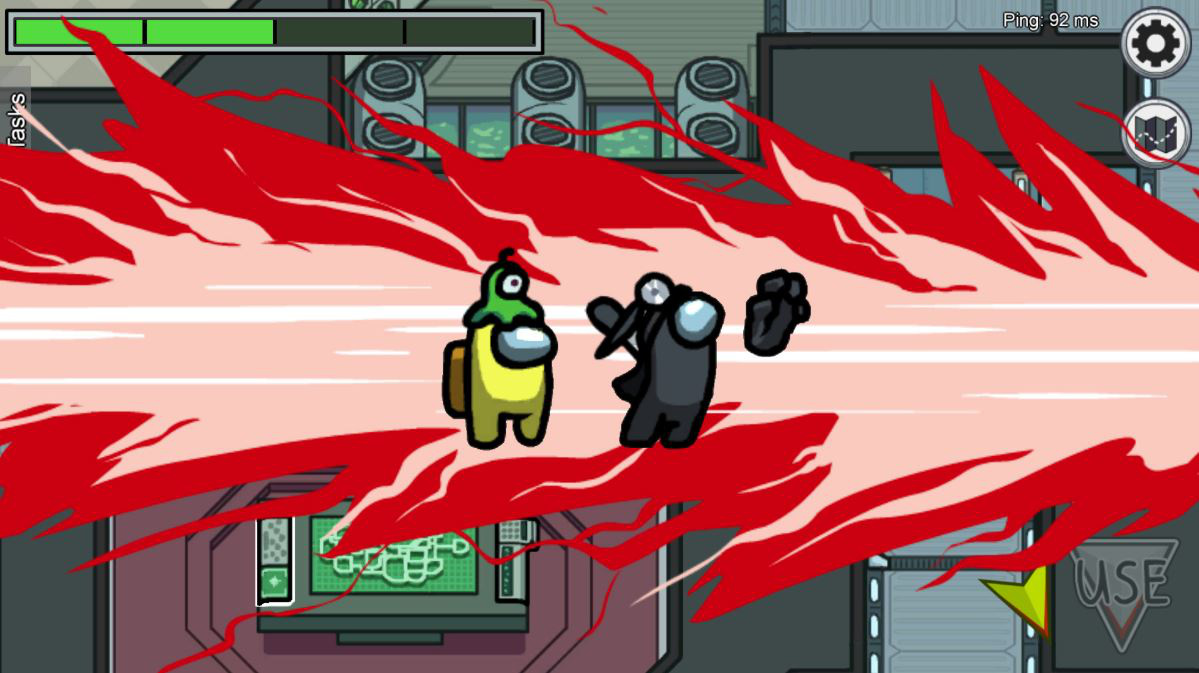
What Good Crewmates Actually Do
Strong Crewmate play is about producing useful evidence, not just surviving. Finishing tasks in connected zones, remembering who crossed specific rooms, and noting who reacts strangely during sabotage all create better meeting pressure later. The goal is to make your path explainable and your claims verifiable.
- Track routes: who came from where matters more than who talks loudest.
- Use meetings wisely: panic reports can help Impostors more than the crew.
- Value timing: when a body is found often narrows the suspect list fast.
What Makes a Strong Impostor Round
As Impostor, random kills are rarely enough. The better approach is to control tempo through lights, doors, and believable movement so the crew debates the wrong thing. A good lie in Among Us is usually small, calm, and attached to a route other players almost believe already.
That is why meetings are so tense. Every round becomes a battle between memory, confidence, and how well each side can turn incomplete data into a convincing story.

Why Among Us Still Works So Well
Even after countless matches, the game stays fresh because the drama comes from people rather than fixed patterns. Friend groups develop habits, bluff styles, revenge votes, and false assumptions that make every lobby feel different, which is exactly why Among Us became such a lasting party-game phenomenon.
Hot Games

New Games

