Archery World Tour
Games You May Like
Travel the Circuit, Then Master the Conditions
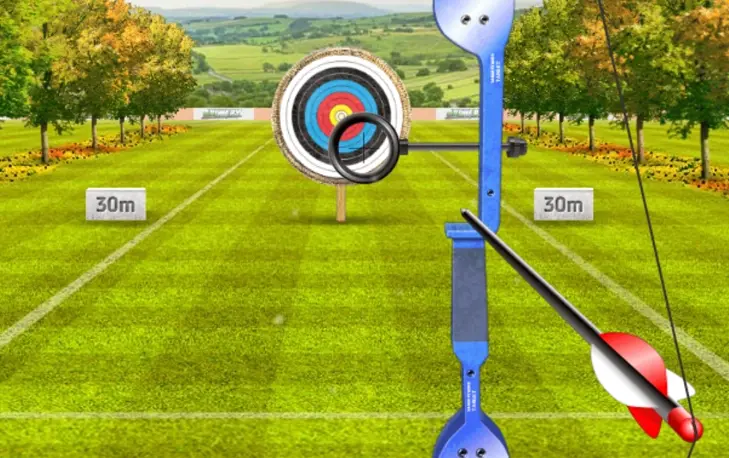
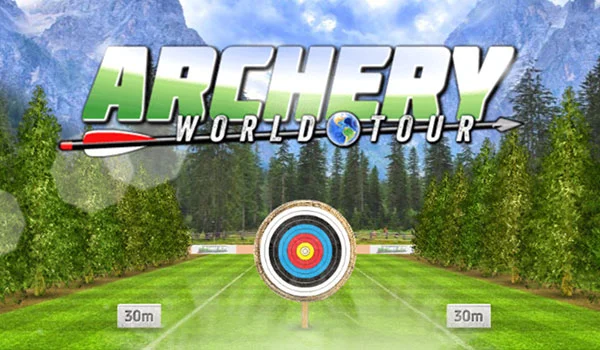
Archery World Tour combines clean arcade controls with tournament-style target shooting. Instead of relying on pure reflexes, each attempt asks you to read environmental variables and commit to an exact release. Wind direction, distance, and target behavior all affect the arrow path, so strong scores come from adaptation.
The game usually starts with straightforward static targets, then escalates into tighter margins and tougher timing windows. That progression makes every stage feel earned: if you miss, you can usually identify why and adjust on the next shot.
Two Modes, Two Mindsets
- World Tour mode: stage-based progression where consistency matters more than occasional perfect shots.
- Challenge mode: fewer margins for error, with moving or trickier targets that test precision under pressure.
Switching between these modes helps build complete shooting fundamentals. World Tour improves baseline accuracy, while Challenge mode sharpens timing and confidence on difficult setups.
How to Read Wind and Arrow Drop Better
Use your first shot in a new stage as calibration when possible. Observe how far the arrow drifts relative to the center and then correct in small increments. Over-correcting is the most common mistake in this game; subtle adjustments usually produce better results than dramatic re-aiming.
Tips to Hit More Bullseyes
- Calibrate early: treat the opening arrow as information, not just a score attempt.
- Aim through the wind: hold against drift instead of trying to fix late after release.
- Keep release rhythm consistent: changing hold timing every shot hurts muscle memory.
- Respect long-distance drop: raise your aim slightly higher than instinct suggests.
- Do not chase perfects: stable high-ring hits are often better than risky all-or-nothing center attempts.
Hot Games

New Games

