Backrooms
Games You May Like
Backrooms Finds Horror in Endless, Familiar Emptiness
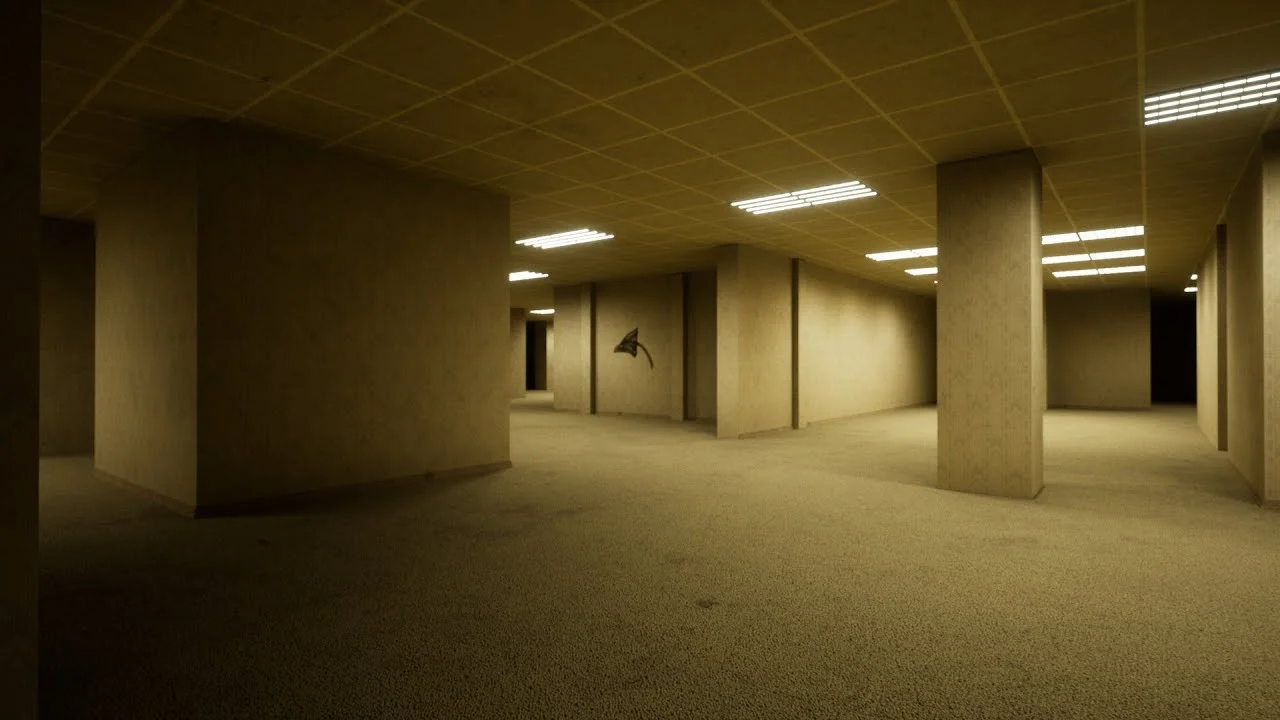
Backrooms is effective because it does not need much to make players uncomfortable. Fluorescent yellow halls, stale carpet, repeating corners, and the feeling that every corridor is almost the same create a kind of dread that feels psychological before anything explicitly dangerous even appears.
That liminal-space premise is what separates the game from ordinary chase horror. The environment itself becomes the threat, because the longer you wander, the less confident you are that your own memory can be trusted.
How Survival Pressure Builds
Backrooms asks players to make careful movement decisions with limited certainty. Sprinting can save time but increases panic and disorientation. Slowing down helps you read the space, yet it also gives fear more time to settle in. Audio cues, room repetition, and strange dead ends constantly push you into second-guessing your route.
- Route memory: noticing patterns matters more than rushing forward.
- Sound awareness: distant noises often shape your next decision.
- Composure: panic usually creates worse navigation errors than the map itself.
Why the Setting Works So Well
The Backrooms concept resonates because it transforms ordinary architecture into something hostile through repetition and emptiness alone. There is no comfort in familiar office walls when the space seems endless, slightly wrong, and completely detached from real-world logic.
Why Players Keep Testing Their Nerves
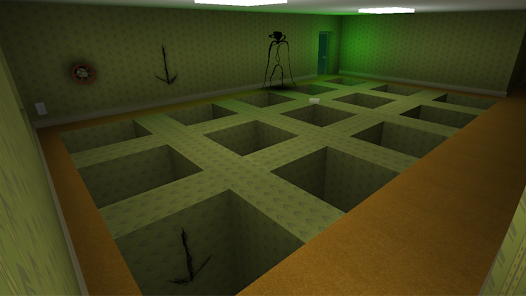
Every session creates new tension between curiosity and self-preservation. You want to see what is around the next corner, but the game keeps reminding you that wandering without a plan is exactly how people disappear in the Backrooms. That push and pull is why this simple horror concept remains so memorable.
Hot Games

New Games

