Bad Parenting (Play Fullscreen)
Games You May Like
🩸 About Bad Parenting
Bad Parenting is a short-form psychological horror game that became widely discussed because of how directly it turns family dysfunction into playable dread. Instead of relying on constant chase scenes or loud jump scares, the game builds tension through environment, implication, and the feeling that something deeply wrong has already happened long before you arrive. It is a narrative-first experience, but the horror lands because every room, object, and interaction feels loaded with emotional damage.
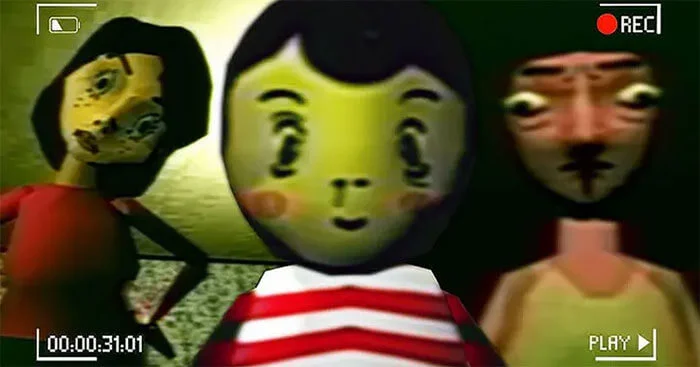
👁️ Why This Game Feels So Uncomfortable
The strongest part of Bad Parenting is not spectacle. It is the way the game weaponizes domestic space. Bedrooms, hallways, family conversations, and small household details all become sources of unease. The story centers on a child named Ron and the disturbing figure of Mr. Red Face, but the real fear comes from the emotional atmosphere surrounding them. You are not just solving a mystery. You are moving through a house shaped by manipulation, neglect, and fear, and the game understands that psychological horror becomes more effective when players are asked to read between the lines.
🕹️ How Bad Parenting Plays
Bad Parenting uses a point-and-click structure, which fits the game perfectly because it slows the player down and forces attention onto details that might otherwise be ignored. Progress usually comes from observing the environment carefully, interacting with suspicious objects, and making sense of story fragments that do not fully explain themselves at first.
🖱️ Point-and-Click Exploration: Move through scenes deliberately and inspect objects that carry narrative meaning.
💬 Dialogue and Choice Moments: Some interactions shape how the story
is interpreted and can influence where the experience leads.
🧩 Environmental Clues: The game expects you to notice unsettling details rather than wait for a direct tutorial prompt.
📖 Short, Focused Runtime: Most playthroughs last around 30 to 60 minutes, which helps the story stay intense without losing momentum.
🎭 Multiple Endings: Your reading of situations and decisions can change the final emotional
impact.
⚠️ Themes and Tone
This is not light horror. Bad Parenting deals with mature subject matter, including psychological abuse, family instability, and disturbing imagery. That thematic weight is a major reason the game spread so quickly online: players were not just reacting to scary scenes, they were reacting to how sharply the game captures the feeling of growing up inside an unsafe emotional environment. If you enjoy horror that lingers after the screen goes dark, this game absolutely fits that category.
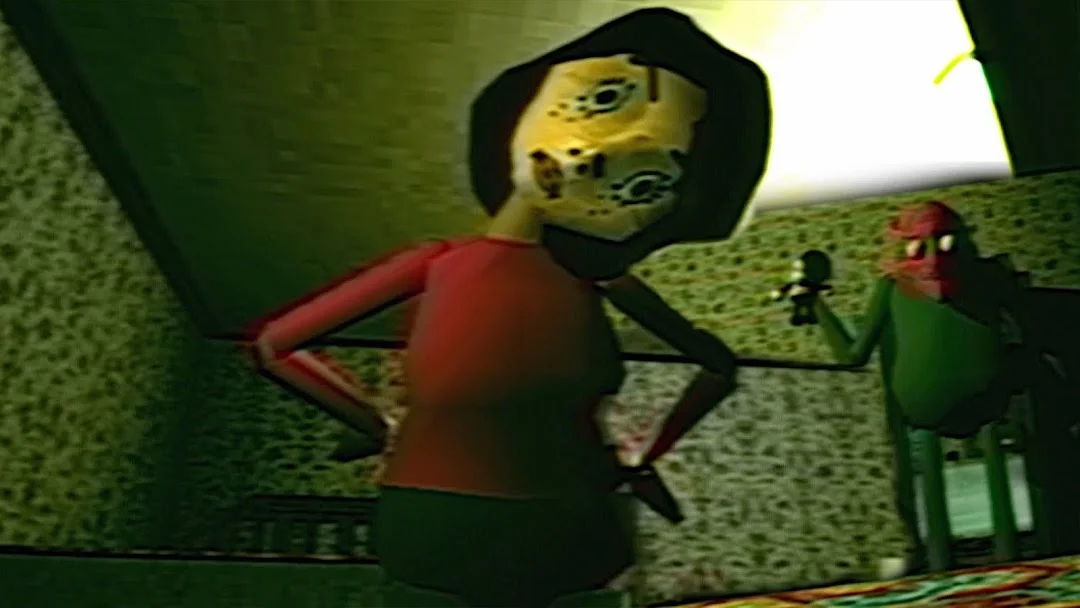
🧠 Best Way to Play
Bad Parenting is much stronger when played slowly. Do not rush through dialogue or click past scenes just to reach the next beat. The game hides much of its power in pacing, room composition, and implication. Headphones help because the sound design quietly reinforces the unease, and careful observation makes the difference between merely finishing the game and actually understanding why it works.
⭐ Who Should Play Bad Parenting
If you like horror games that focus on narrative tension, symbolic storytelling, and uncomfortable realism instead of pure survival mechanics, Bad Parenting is worth your time. It is especially effective for players who enjoyed story-heavy experiences like Amanda the Adventurer, Dead Plate, or other indie horror titles built around mood and revelation. For a browser horror game, it is unusually memorable, and that is exactly why it keeps circulating through horror communities.
Hot Games

New Games

