Dead Plate
Games You May Like
Dead Plate Builds Horror Out of Politeness, Routine, and the Things People Refuse to Say
Dead Plate is one of those indie horror games that hits harder because the surface looks completely normal. You are not dropped into a haunted ruin or a monster-filled bunker. You go to work. You take orders, move through the dining room, interact with customers, answer to your boss, and try to get through the shift. That ordinary setup is exactly what makes the game unsettling. Every strange glance, every missing detail, every slightly wrong line of dialogue matters more because the world around it is trying so hard to pretend everything is under control.
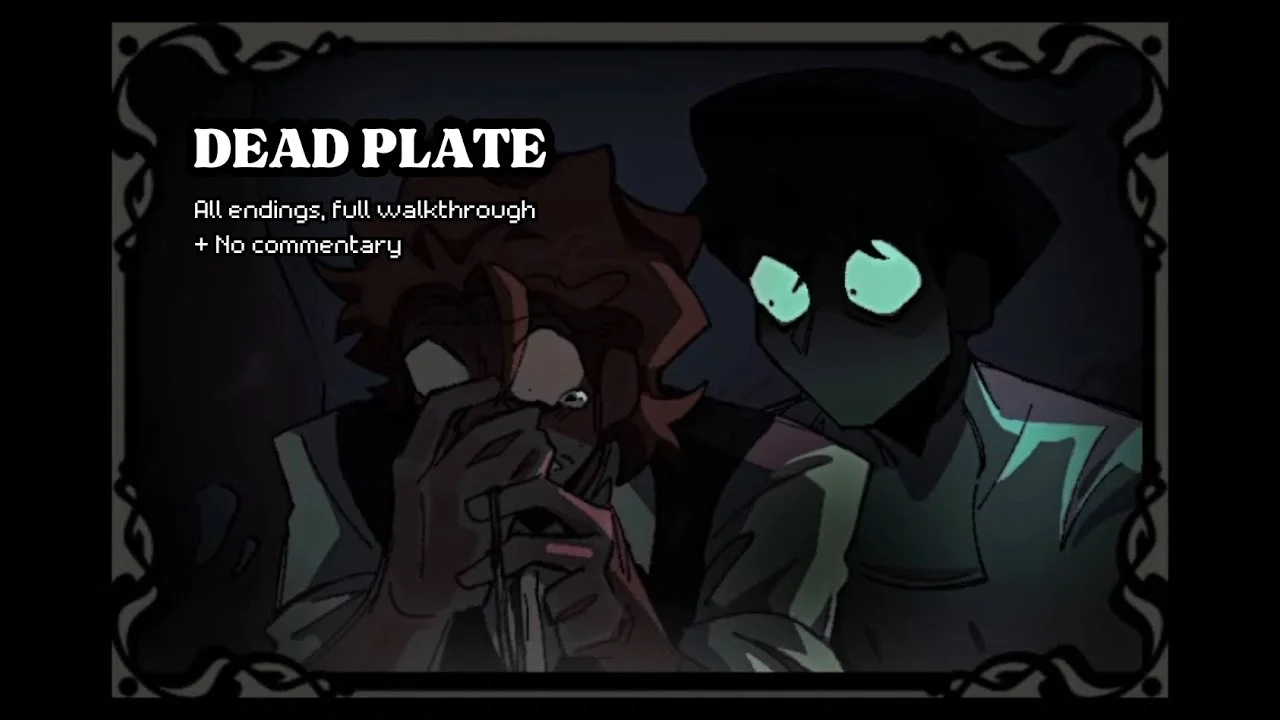
You play as Rody, working in a fine-dining restaurant that feels elegant, expensive, and deeply uncomfortable. The lighting is warm, the plating is precise, and the atmosphere is almost too carefully arranged. Dead Plate understands that horror often works best when it begins with social discomfort. Before the game fully reveals its darker side, it asks you to sit inside a situation that already feels wrong on a human level.
Why the Restaurant Setting Works So Well
The restaurant is more than a backdrop. It shapes how the horror unfolds. Service work is built on performance: smile at the customer, follow the script, stay calm, keep moving. Dead Plate uses that structure brilliantly. You are often doing normal tasks while your attention is being pulled toward suspicious behavior, strange tensions between characters, or signs that the space behind the polished front room is hiding something ugly.
That contrast gives the game its identity. The dining area represents control, presentation, and appearance. The back rooms, private conversations, and off-limits spaces suggest the opposite: obsession, coercion, and violence held just behind the curtain. The game never wastes this contrast. It keeps pushing you deeper into a situation where serving dinner and surviving the night start to feel like the same task.
How Dead Plate Actually Plays
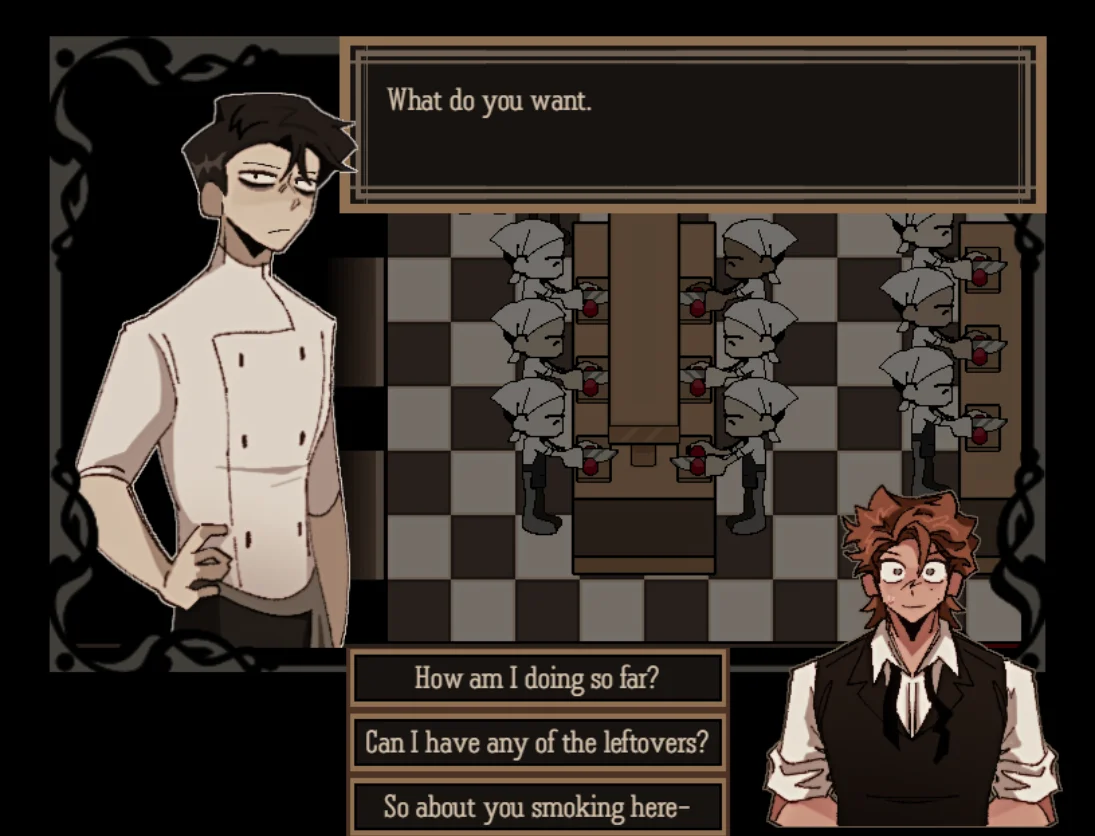
Mechanically, Dead Plate mixes light task management, exploration, dialogue scenes, and branching decisions. At first, these systems feel simple. You move through your shift, complete restaurant duties, and respond to what the night asks from you. But those small interactions are the point. The game is training you to notice tone, pacing, and behavioral details rather than chasing action for its own sake.
That is why the narrative lands. Choices matter less because they are flashy and more because they affect how safe, trapped, or informed you feel. Dead Plate is not asking you to master combat systems. It is asking you to read people and situations accurately under stress.
- Routine tasks create a believable rhythm before the fear escalates.
- Dialogue choices shape how scenes are understood and how danger develops.
- Exploration rewards attention to environmental details, not random wandering.
- Replay value comes from alternate choices, altered pacing, and different outcomes.
What Makes the Story Memorable
Dead Plate stays with people because the threat feels personal. The horror is tied to manipulation, power imbalance, and the slow realization that you are in a situation where normal rules no longer protect you. That makes the tension feel intimate instead of abstract. You are not fighting a faceless evil from far away. You are trapped in a relationship dynamic and workplace atmosphere that keeps tightening until escape becomes the only thing that matters.
The game also benefits from restraint. It does not over-explain itself too early. It trusts silence, implication, and the player's ability to recognize warning signs. When things finally escalate, the impact is stronger because the dread has already been building through smaller human moments.
How to Get the Most Out of a First Playthrough
Take your time with the dialogue. Do not skim. Dead Plate hides a lot of its tension in tone shifts, pauses, and phrasing that sound harmless on the surface but reveal much more once you are paying attention. The same goes for the environment. A lot of the game's strength comes from how it frames normal objects and work routines inside a story that is becoming less safe by the minute.
Headphones help because sound design carries a surprising amount of mood and warning. On replay, experiment with different choices rather than rushing for the same ending. Dead Plate is short enough to revisit, and it gains a lot from seeing how differently scenes can feel once you understand what is really happening underneath them.
Dead Plate is worth playing if you want horror that depends on writing, atmosphere, and character tension more than jump scares or combat. It is stylish, compact, and genuinely unnerving in a way that feels earned.
Hot Games

New Games

