Die in the Dungeon
Games You May Like
Die in the Dungeon Turns Dice Into a Real Roguelike Combat System
Die in the Dungeon stands out because it does not treat dice like decoration or random flavor. The dice are the combat system. Each one represents attack, defense, mana, or a special effect, and the run gets better only if the dice you add start working together instead of fighting for the same space in your hand.
That makes the game feel closer to a deckbuilder than a standard turn-based RPG. Every battle is part tactical puzzle, part bag-building problem, and part long-term draft. Bad early picks can haunt an entire run. Great picks can suddenly make the whole hand feel alive.
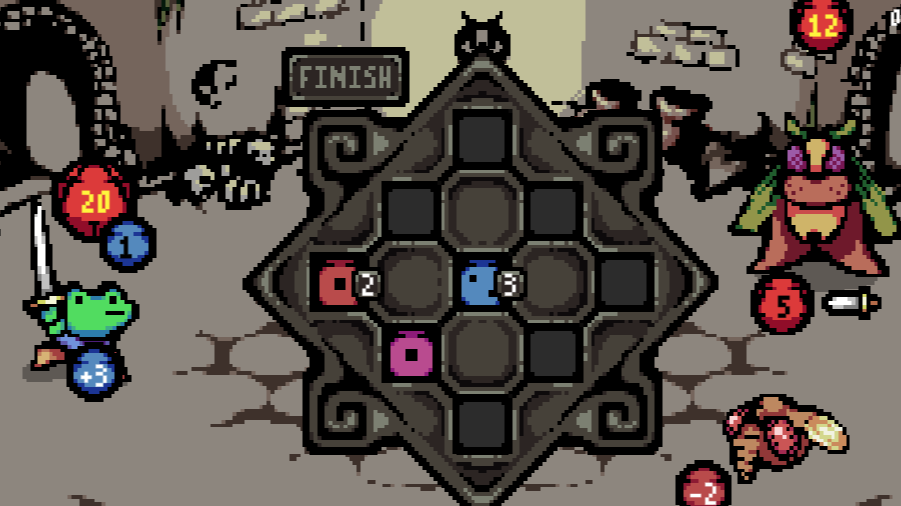
What a Good Turn Looks Like
At the start of each turn, you draw dice from your bag and decide which ones belong in the available slots. That choice matters because placement is not just about raw value. Some dice become stronger when placed next to certain types. Others are only worth using when enemy intent makes them efficient. If an enemy is preparing a heavy attack, a greedy damage turn can lose the fight instantly. If the enemy is setting up instead of striking, that same turn might be exactly right.
The result is a combat loop that rewards reading the board before acting. Randomness exists, but once you understand synergy and risk, the game feels much more controlled than it first appears.
Why Bag-Building Matters So Much
Between floors, the game asks the most important question in the run: what kind of hand are you building? Adding every interesting die is usually a mistake. Strong runs come from identity. Maybe you are building toward mana generation and repeated ability triggers. Maybe you want a shield-heavy control setup that outlasts bosses. Maybe you commit to fast damage and try to end fights before scaling enemies become dangerous.
The more focused your bag becomes, the more often your turns feel coherent. Mixed piles of "pretty good" dice tend to collapse under boss pressure because they stop drawing reliable turns when you need them most.
- Mana-focused builds often unlock the strongest late-fight swings.
- Balanced control builds are safer when enemy patterns get nastier.
- Greedy offense builds can dominate early but punish you hard if they brick.
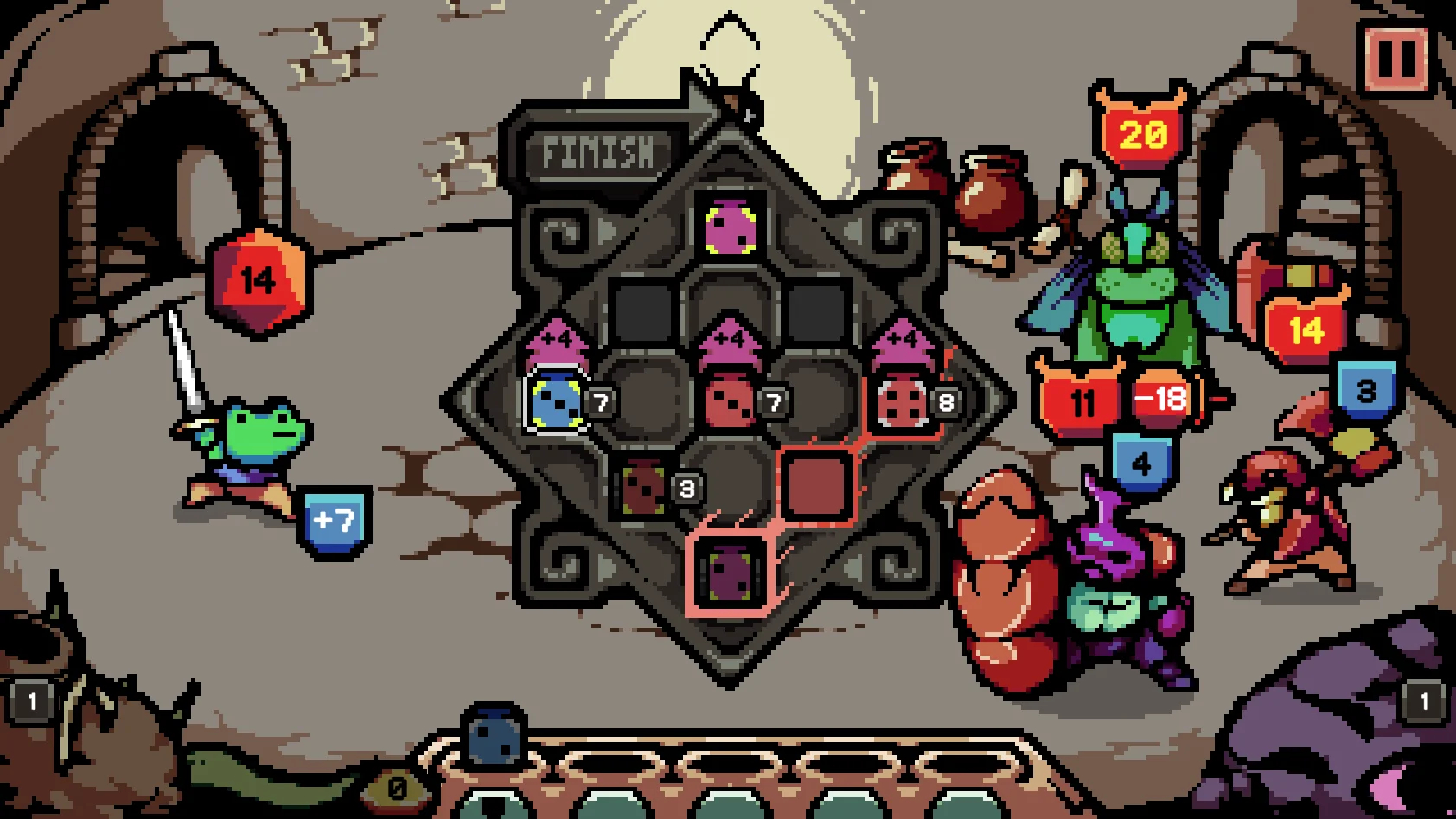
How Runs Usually Fail
Most bad runs do not die because of one unlucky roll. They die because the bag lost focus. Too many low-impact dice. Too little response to telegraphed enemy intent. Too much commitment to attack when defense was the real problem. If you treat each post-battle reward as part of a long plan instead of a single upgrade screen, the game becomes far more manageable.
Die in the Dungeon is excellent if you like turn-based games where small drafting decisions snowball into big strategic consequences. It has the randomness of dice, but the satisfaction of solving something that looked impossible three floors earlier.
Hot Games

New Games

