Drive Mad
Games You May Like
Drive Mad Is Really About Balance, Weight, and Controlled Disaster
Drive Mad is a physics driving game where the finish line almost always looks reachable and then becomes absurdly difficult the moment your wheels touch the obstacle. That is the charm. Every stage is a compact experiment in weight transfer, momentum, and panic management. One level asks you to crawl across a fragile bridge. The next launches you off a ramp into a landing that flips your car unless the angle is perfect.
What makes the game work is that failure is usually funny first and frustrating second. Your vehicle bends, tumbles, bounces, and tips in ways that feel exaggerated but readable. When you crash, you usually understand why, which makes retrying feel fair instead of random.
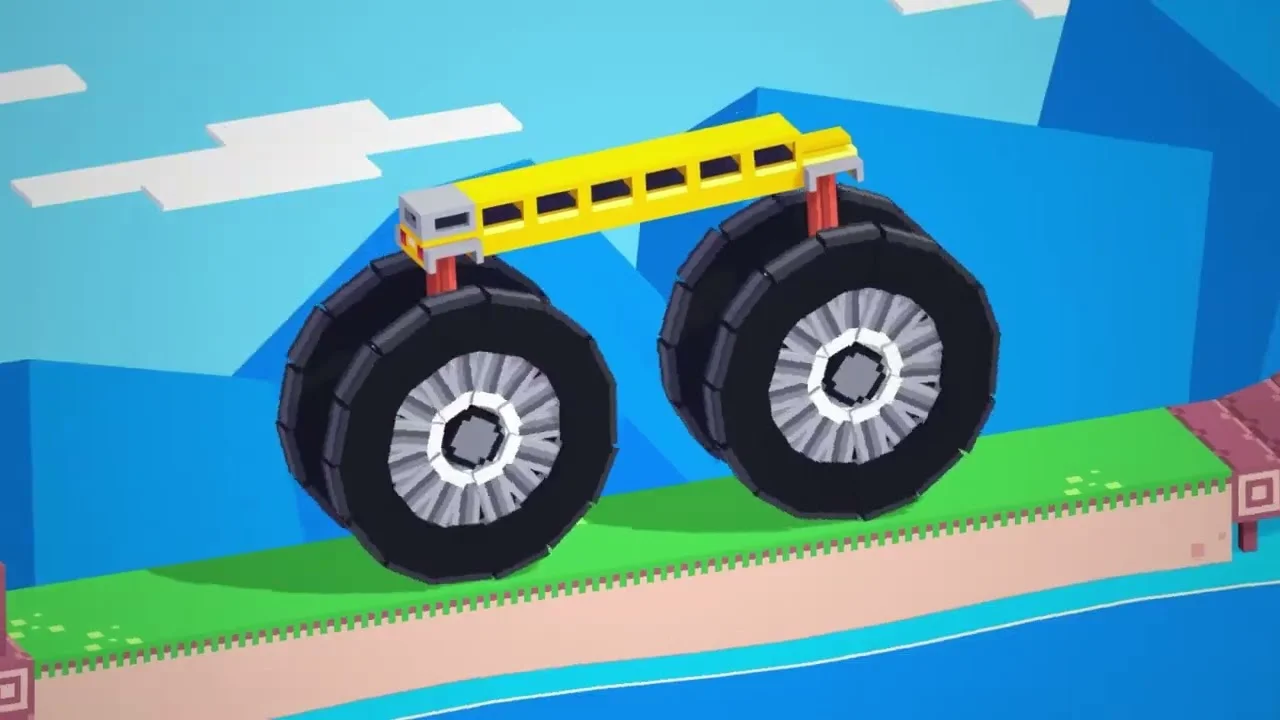
Every Obstacle Is a Different Physics Question
Some stages are about speed. Others punish speed immediately. Seesaws want patience until your weight settles. Rolling cylinders want either precise commitment or very careful crawling. Launch ramps demand enough acceleration to clear the gap, but not so much that the landing sends your nose straight into the ground. That constant change keeps Drive Mad fresh because it never lets one habit solve every level.
Vehicle behavior matters just as much. A heavy vehicle can stabilize some obstacles by brute force, but the same mass can become a liability on steep jumps or narrow recoveries. Lighter vehicles feel more agile, yet they are also easier to throw off balance. The game gets much better once you stop treating every car as a cosmetic skin and start reading what each one is naturally good at.
Why Later Levels Feel So Good to Beat
Drive Mad escalates by combining problems. Early levels teach ideas in isolation. Later ones chain them together. You might need to cross a wobbling platform, land on a sloped ramp, then immediately control a bounce before a second obstacle even gives you time to reset. That layered design makes victories satisfying because a clear is rarely about one lucky input. It comes from understanding the whole sequence.
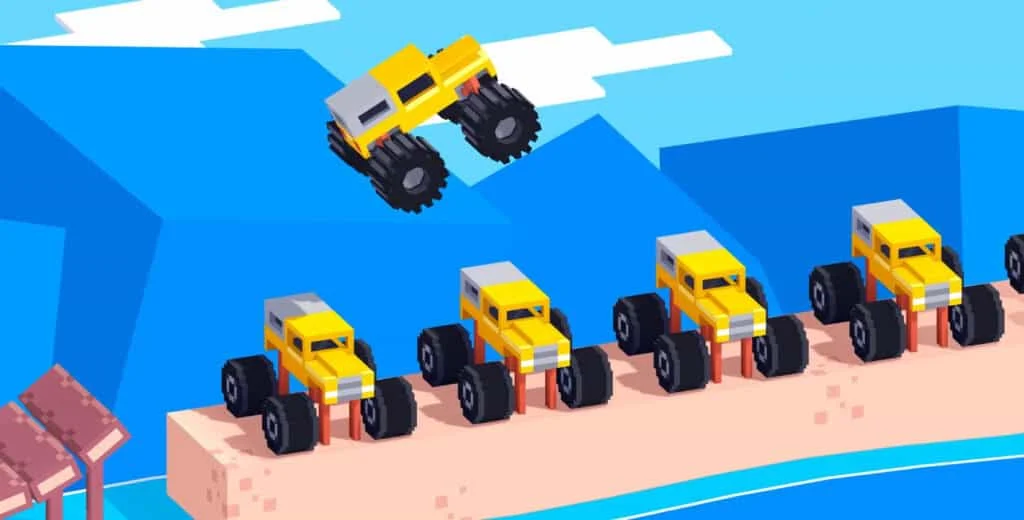
Practical Ways to Improve
- Slow down before unstable structures. If a bridge, seesaw, or suspended platform looks dangerous, your first instinct should be control, not speed.
- Use reverse as a recovery tool. Tiny backward taps can save a landing that would otherwise flip the vehicle forward.
- Watch the obstacle once before forcing it. Spinning hazards and moving parts are much easier when you read the full cycle.
- Change vehicles when a level feels wrong. Sometimes the fastest improvement is a better machine, not better stubbornness.
Drive Mad is excellent at turning physics chaos into readable challenge. If you like trial-and-error games where every retry teaches something useful, this is one of the best browser driving games in that lane.
Hot Games

New Games

