DTA 6
Games You May Like
DTA 6 Leans Into Fast Open-City Action with Constant Low-Level Pressure
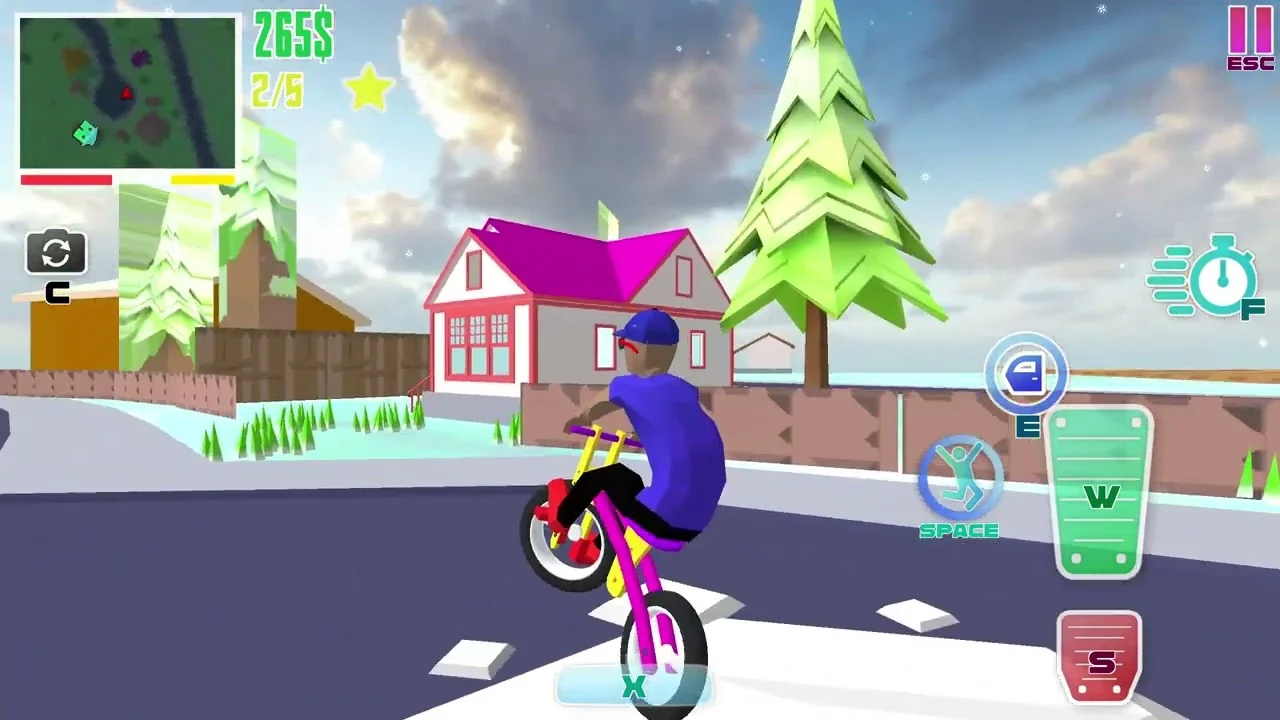
DTA 6 plays like a compact browser sandbox inspired by the familiar car-theft-and-chaos formula: move through the city, grab vehicles, pick up missions, and survive the consequences once the streets turn hostile. The appeal is not just free roaming. It is the way missions, traffic, police pressure, and vehicle handling keep pushing you into quick decisions.
Because it is built as a browser action game, DTA 6 moves fast. You can jump into trouble almost immediately, but surviving longer depends on more than aggression. Route choice, vehicle choice, and knowing when to disengage matter just as much as shooting or speeding forward.
What the Core Loop Feels Like
A typical stretch of play involves moving through city blocks, responding to mission markers, stealing or swapping vehicles when needed, and improvising when the situation gets louder than expected. Some objectives reward direct action. Others become easier if you stay mobile, avoid unnecessary fights, and think about escape before the mission even starts.
That is where the game becomes more interesting than a simple chaos simulator. The streets are not just scenery. They are your best tool for positioning, evasion, and momentum. A good car at the right time can be more valuable than forcing a fight on foot.
Ways to Play Smarter
- Read the objective first so you know whether speed, combat, or control matters most.
- Use the map actively, not passively. Short routes are not always the safest routes.
- Swap vehicles when needed instead of clinging to a damaged or slow option.
- Break contact early if enemy pressure is climbing faster than the mission reward justifies.
Why the Game Improves Once You Stop Forcing It
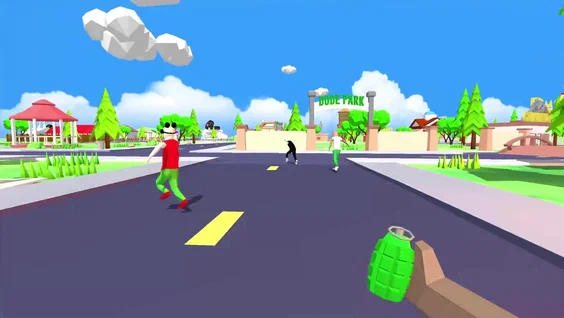
Many players make DTA 6 harder than it needs to be by treating every situation like a fight to the finish. In practice, better sessions come from cleaner setups. Enter missions with an exit path in mind. Slow down before blind intersections. Use city layout to cut pressure instead of absorbing all of it head-on. Those habits make the game feel far more controlled and much more rewarding.
DTA 6 works best if you enjoy browser sandbox games that let you create momentum through smart movement as much as through action. There is chaos here, but the fun comes from learning how to steer it.
Hot Games

New Games

