DTA 9
Games You May Like
DTA 9 Focuses on Open-City Missions, Escapes, and Managing Chaos Efficiently
DTA 9 follows the familiar browser sandbox formula of taking missions inside a compact city, grabbing vehicles on the fly, and dealing with escalating pressure when things inevitably go loud. The fun comes from how quickly a simple objective can spiral. One moment you are driving calmly toward a marker. The next you are weaving through traffic, trying to shake pursuit, and deciding whether the fastest route is still the smartest one.
That structure gives the game a strong pick-up-and-play rhythm. You are rarely far from action, but you still have enough freedom to approach problems differently depending on the vehicle you have, the streets around you, and how much trouble you are already carrying.
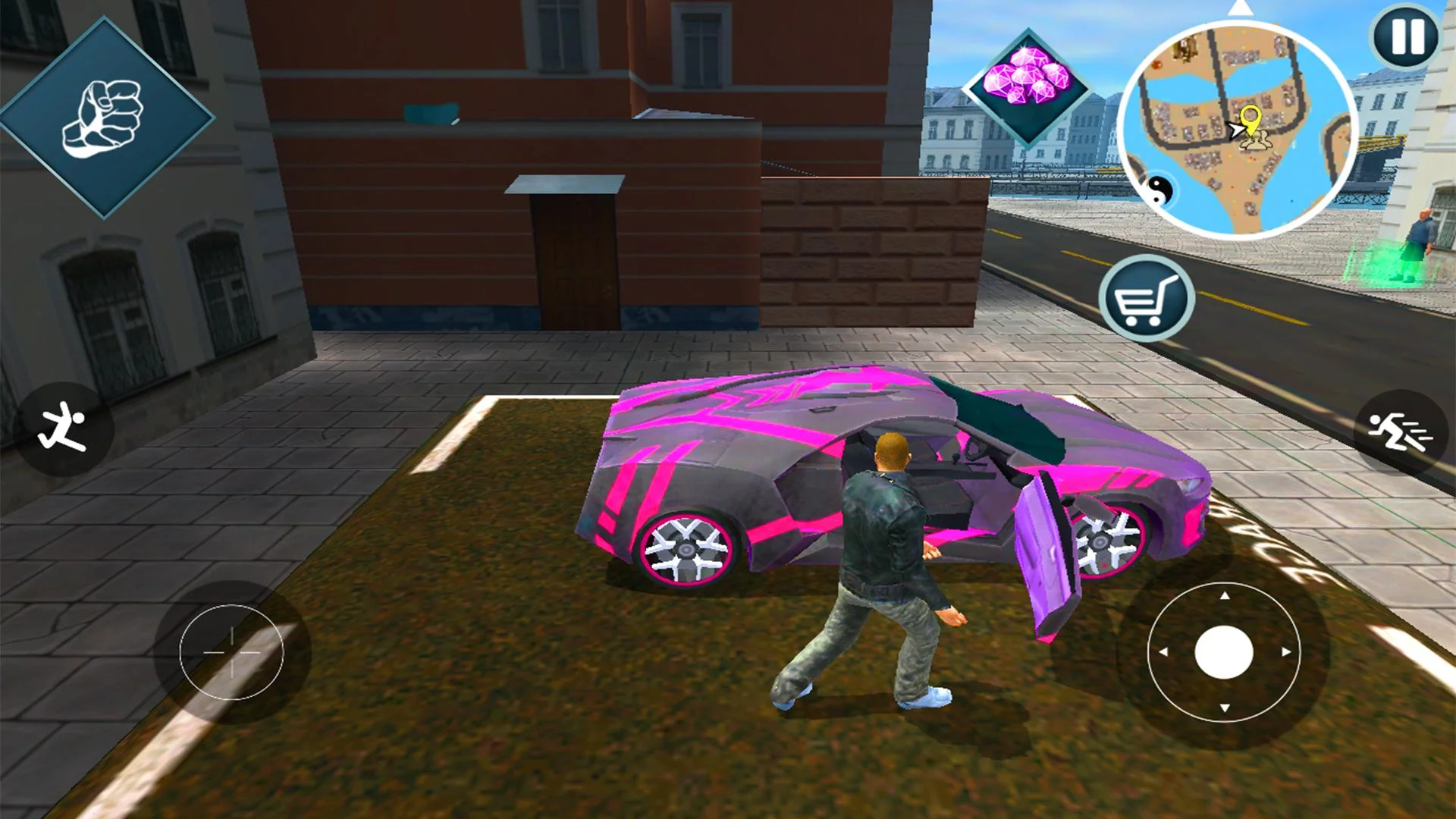
Why Positioning Matters More Than Constant Combat
DTA 9 is much easier when you stop treating every enemy encounter as mandatory. A lot of missions are really about movement: getting to a location, getting away from a location, or holding control long enough to finish an objective before the city pushes back. Vehicles are central to that. They are not just speed boosts. They let you break lines of pursuit, cut across the map, and reset a bad situation before it turns into a full collapse.
The strongest approach is usually to think one step ahead. Where are you entering from? Where will you leave? Which streets are wide enough for clean driving and which ones become traps once pressure rises? Those answers matter more than random aggression.
Good Habits for Cleaner Runs
- Use combat selectively when it directly supports the objective.
- Keep a fallback route in mind before entering any busy objective zone.
- Change vehicles proactively if your current one is too slow, too damaged, or poorly placed.
- Preserve momentum by avoiding pointless stops and messy turnarounds.
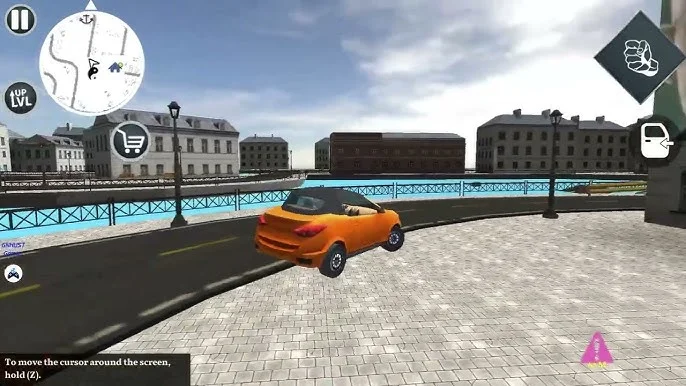
DTA 9 is a solid fit if you like lightweight open-world browser games where missions, driving, and street-level improvisation all blend together. The city is small enough to learn, but active enough that clean decision-making still matters every session.
Hot Games

New Games

