Eaglercraft
Games You May Like
Eaglercraft Delivers the Familiar Sandbox Survival Loop Directly in the Browser
Eaglercraft captures the classic block-world formula that players already know and still enjoy: punch trees, craft tools, gather stone, find food, build shelter, then gradually expand into mining, farming, exploration, and larger building projects. The appeal is the same as ever. You begin with almost nothing and slowly turn a dangerous open landscape into a world that works for you.
What makes games in this style so replayable is freedom of pace. You can play cautiously, fortify a base, and build systems before exploring far from home. Or you can push early, head underground quickly, chase iron and better gear, and risk more in exchange for faster progression. Eaglercraft supports both approaches well because the core loop is flexible enough to reward planning without forcing one exact route.
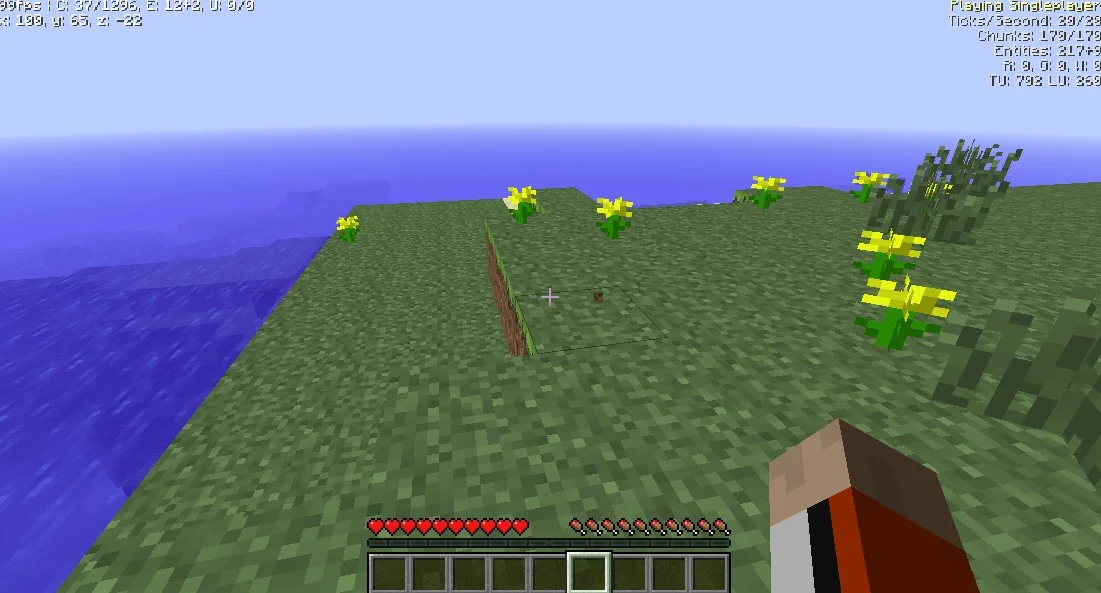
The First Day Still Sets the Tone for Everything After
The early game matters more than people think. Your first shelter location, your first food source, and the order of your first tools determine whether the next hour feels smooth or constantly interrupted. If you waste too much daylight wandering without resources, nights become messy. If you establish a simple base early, the whole game opens up. Storage becomes easier, furnace work gets organized, and mining trips stop feeling desperate.
That first stretch is also where the game teaches its most important lesson: efficiency is not about rushing every second. It is about making each trip do more than one job. Bring food back while scouting a cave. Gather wood on the way to stone. Expand your shelter while waiting for smelting. Small efficiencies compound into huge comfort later on.
- Secure wood immediately so the first crafting jump happens quickly.
- Move to stone tools fast because they improve every gathering task after that.
- Build shelter before dark even if it is temporary and ugly.
- Start organized storage early so resources do not disappear into chaos.
Where the Long-Term Fun Comes From
Once the survival basics are stable, Eaglercraft becomes a project game. You start improving the base instead of merely surviving inside it. Mines become routes. Farms become systems. Exploration becomes intentional rather than random. A flat patch of land turns into a proper home, then a workshop, then a storage hall, then whatever larger structure you decide the world should have next.
That sense of accumulation is what gives the game lasting value. Better tools speed up gathering. Better gear makes exploration safer. Better infrastructure reduces downtime. Every improvement feeds the next one, so the world gradually reflects your priorities and your planning.
Why Eaglercraft Works So Well in Browser Form
It keeps the essential loop intact: gather, craft, protect yourself, and build something worth returning to. Whether you want relaxed building sessions or survival-focused progression, the game gives you enough structure to keep moving and enough freedom to make that movement feel personal.
If you enjoy sandbox survival games where progress comes from both creativity and resource discipline, Eaglercraft remains an easy browser game to settle into for a long session.
Hot Games

New Games

