Fears to Fathom: Home Alone
Games You May Like
Fears to Fathom: Home Alone Understands That the Most Effective Horror Often Starts With an Ordinary Evening
Fears to Fathom: Home Alone is memorable because almost nothing about its setup feels exaggerated. You are just a teenager spending the night alone, answering messages, moving through the house, and dealing with the subtle feeling that something is off. That realism is exactly why the episode works. It does not need monsters or elaborate mythology to create fear. It just needs a house, a quiet night, and a series of details that stop feeling harmless.
The game builds tension through pacing rather than spectacle. Early moments feel routine. Then routine starts to bend. Texts, noises, sightlines, and tiny changes in the environment slowly accumulate until you realize the situation has become dangerous long before the game says so directly.
Why the House Feels So Uncomfortable
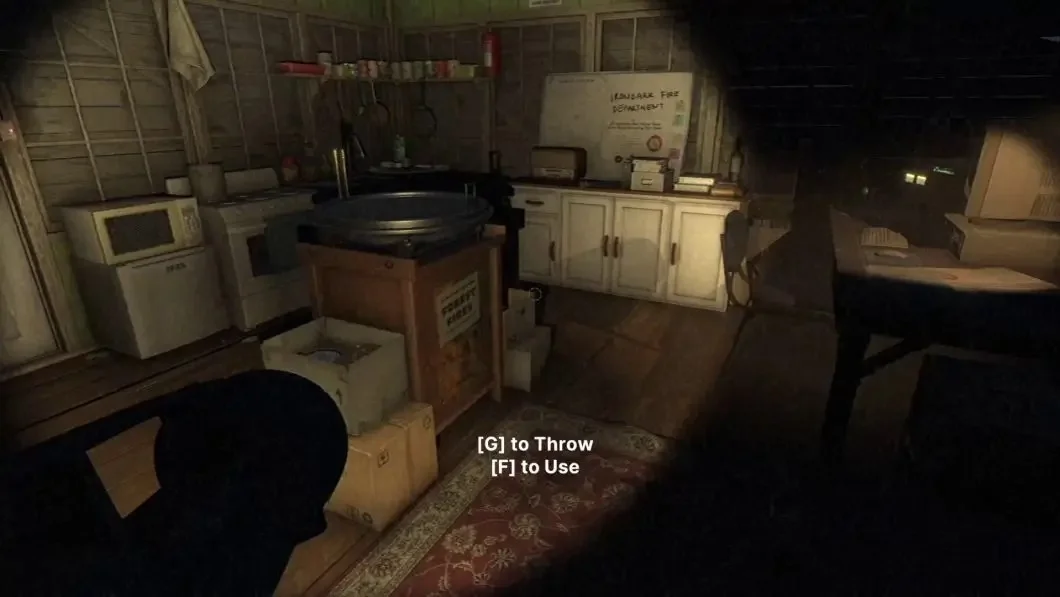
Home Alone uses domestic space brilliantly. The rooms are familiar enough that you instinctively understand how they should feel, which makes every small disturbance more powerful. A strange sound downstairs, a suspicious text, a door that suddenly feels too far away from where you are standing, all of it lands harder because the game never breaks the illusion of normal life.
That is also why the episode feels different from most chase horror. Fear comes from decision-making. Do you investigate? Do you wait? Do you move somewhere safer? You are not just afraid of what is happening. You are afraid of responding incorrectly to what is happening.
What Makes the Episode So Effective
- Believable context keeps the threat grounded instead of theatrical.
- Smart pacing turns small warning signs into real dread over time.
- Audio design makes silence and distance feel dangerous.
- Player judgment matters because the game repeatedly asks how cautious you are willing to be.
How to Get the Full Effect
Play slowly. Do not treat the house like a route map. Let scenes breathe, pay attention to text timing, and listen closely to directional sound. Home Alone becomes much stronger when you absorb it as a situation instead of rushing for the next trigger. On a second playthrough, it is worth noticing how early the game starts planting signals that the night is moving somewhere bad.
Small Details Carry Most of the Fear
One reason Home Alone lands so well is that it never needs to overplay its hand. A text arriving at the wrong time, an implied presence outside, or the realization that a familiar room now feels unsafe can be more effective than a direct attack. The episode trusts the player to connect those signals, and that trust makes the experience feel more personal. You are not just watching horror happen. You are interpreting it in real time.
That also makes replaying worthwhile. Once you know the direction of the night, early details suddenly read very differently. Innocent moments stop feeling innocent, and the pacing becomes even more impressive because you can see how carefully the episode planted discomfort before it needed to reveal danger openly.
Why the Episode Still Stands Out
- It keeps the scale human, which makes every threat feel closer and more plausible.
- It respects silence instead of filling every moment with obvious scare setup.
- It turns normal domestic actions into suspense because context keeps shifting under them.
- It ends before the tension wears out, which gives the episode real staying power.
Playing Slowly Is Part of the Experience
Home Alone is much stronger when you let awkward pauses and uncertain spaces exist instead of trying to rush through them. Looking around the house, reading the tone of messages, and sitting with the uncomfortable quiet are all part of what gives the episode its identity. The horror is not just in the payoff. It is in the long stretch where you are not sure whether your instincts are overreacting or warning you correctly.
That patience is also what makes the ending hit harder, because the game has already trained you to distrust ordinary space before anything finally confirms the danger.
Fears to Fathom: Home Alone is short, but that compact length is part of the appeal. It delivers a full arc of realism-based horror without filler, and it proves that good atmosphere and sharp pacing can be more disturbing than bigger, louder scare design.
Hot Games

New Games

