Forgotten Hill: The Wardrobe
Games You May Like
Forgotten Hill: The Wardrobe Opens With a Child's Hiding Spot and Turns It Into a Full Horror Puzzle Labyrinth
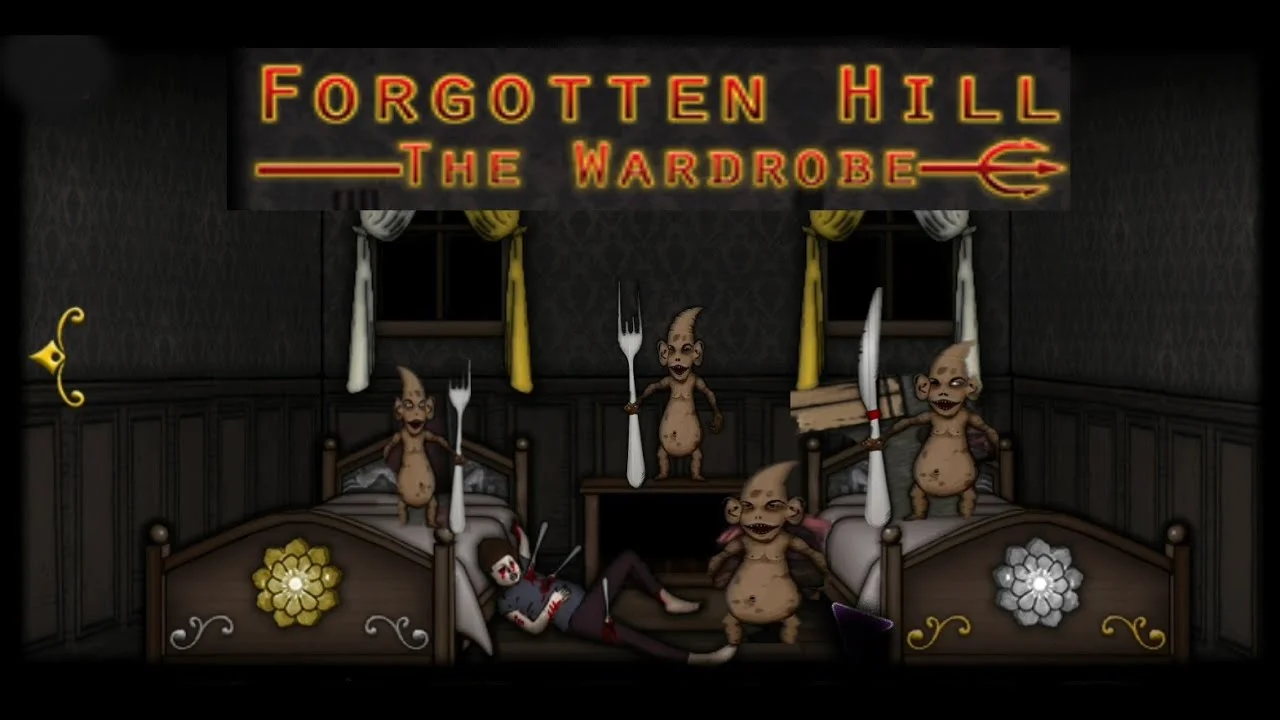
Forgotten Hill: The Wardrobe starts with a familiar fear: a stormy night, a child, and a wardrobe used as a place to hide. The moment the door opens again, the world is wrong. FM Studio uses that tiny setup to pull players into one of the most tightly designed chapters in the series, where each room feels handcrafted to unsettle first and explain itself only later.
Instead of relying on constant jump scares, the game builds dread through details: portraits that imply a backstory, objects placed in impossible combinations, and symbols that look decorative until they become the key to progression. It is an escape puzzle game in form, but a narrative mystery in execution.
How The Wardrobe's Puzzle Flow Actually Works
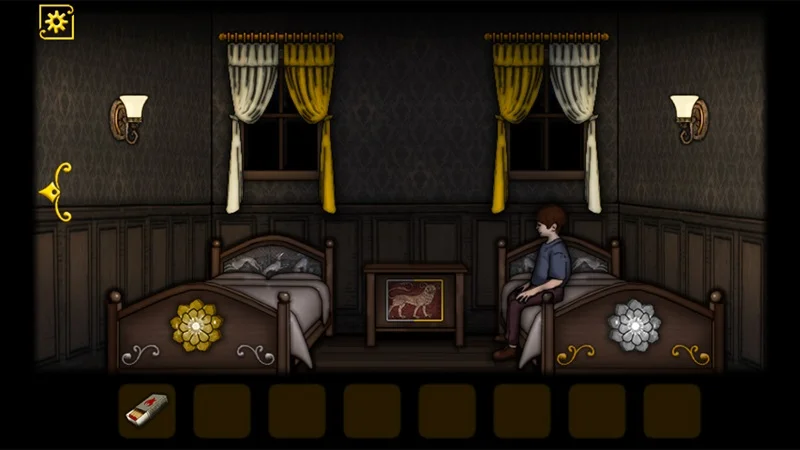
The house is compact, but its logic is layered. You do not solve one room and move on forever. You revisit spaces with new items, interpret clues differently after discovering lore fragments, and unlock interactions that were invisible ten minutes earlier. Backtracking here is not filler; it is the intended progression model.
Most barriers are solved through cross-room reasoning. A pattern from one wall corresponds to a lock in another location. A useless-looking trinket becomes the final piece in a mechanism discovered much later. That design keeps the pace deliberate and rewards careful observation over random clicking.
Inventory and Environmental Clues Work Together
Item descriptions rarely reveal direct purpose. The stronger approach is to treat every object as part of a potential chain and test it against both inventory combinations and environmental slots. Books, paintings, floor marks, and cabinet layouts are often as important as the objects you carry.
- Check each room twice before leaving; subtle clickable zones are easy to miss on first pass.
- Write down symbol order, color order, and number groupings the moment you see them.
- Try combining inventory objects with each other before forcing them onto obvious locks.
- If progress stalls, revisit old rooms with your newest item and inspect all previously dead mechanisms.
- Read every scrap of lore text because many puzzle answers are embedded in story language.
Why This Entry Remains One of the Strongest in the Series
The Wardrobe succeeds because its horror and puzzle design are inseparable. You are not solving sterile lock combinations in a vacuum; each mechanic is tied to the place's grotesque identity. By the end, players remember both the solutions and the atmosphere that made finding them uncomfortable in the best possible way.
Hot Games

New Games

