Fruit Merge
Games You May Like
Fruit Merge Is Part Puzzle, Part Physics Experiment, and Entirely Addictive
Fruit Merge belongs to the same satisfying genre as Suika Game — drop fruit into a container, match two identical pieces to fuse them into the next size tier, and keep the stack from overflowing the top. What makes it more than a simple match mechanic is the physics layer: every newly formed fruit rolls, shifts, and bounces, and those small physical movements propagate chain reactions you did not plan but absolutely wanted.
The progression from cherry to watermelon creates a clear mental map of value, and the moment a large merge clears space and opens new lanes is genuinely rewarding. The game is easy to enter and deceptively difficult to master at high scores, because each placement compounds forward into situations you will face three or four drops later.
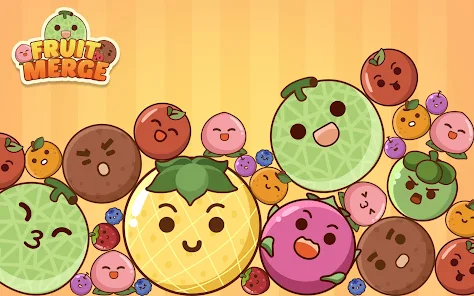
Why the Stack Collapses and How to Stop It
Most lost runs come from the same source: a tall, mixed central tower that blocks natural roll paths and forces every subsequent fruit to land precariously on an unstable surface. The board becomes unmanageable not because of one bad drop but because of five or six earlier decisions that gradually narrowed the available safe lanes.
Strong players think two or three drops ahead. When they drop a small fruit, they are not just placing it for the immediate merge — they are considering where the resulting friction and bounce will shift the surrounding stack. This forward-looking placement habit is the single biggest separator between average and high-scoring runs.
- 🍉 Build low and wide first — a stable base lets heavy fruit settle naturally without destabilizing the stack.
- 🍊 Keep matching pairs on the same side of the container so merges happen in predictable locations rather than across the full width.
- 🍎 Use side walls deliberately to redirect rolling fruit toward clusters rather than dropping everything from center.
- 🍋 Avoid splitting the container into two isolated towers — the gap between them will eventually force a high-risk bridging drop.
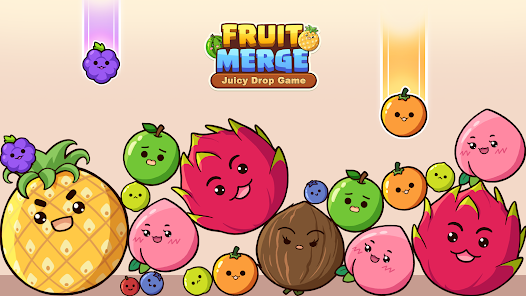
Fruit Merge is one of those games that keeps pulling you back with the promise of one better run. The next drop always feels like the one that will unlock a chain, and that feeling — the anticipation of a clean cascade — is exactly what makes it so hard to stop playing.
Hot Games

New Games

