Gladihoppers
Games You May Like
Gladihoppers Mixes Comedy Physics With Real Duel Strategy
Gladihoppers looks chaotic on first contact: floppy movement, exaggerated impacts, and gladiators bouncing around pixel arenas like ragdolls with swords. After a few matches, though, it becomes clear that the physics are not random decoration. Positioning, stance direction, weapon reach, and timing windows combine into a combat system that rewards deliberate play much more than frantic button spam.
Dreamon Studios built the game with a broad mode set so players can choose their own pace. Quick battles are great for immediate action, while career and progression-focused runs give you a longer arc built around upgrades, equipment choices, and adapting to tougher opponents.
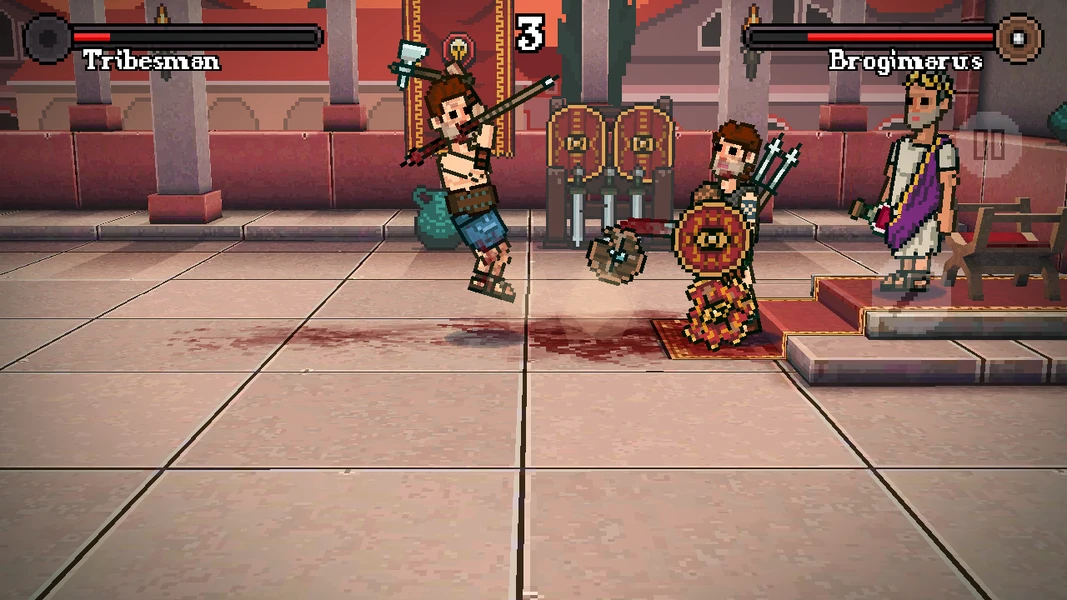
Combat Depth Comes From Spacing and Recovery Management
Every weapon class has a distinct rhythm. Some dominate at reach but punish missed swings with long recovery. Others are faster but require tighter spacing to land consistently. Because movement is physics-based, even a small positional mistake can push your hitbox into danger before you can reset stance.
High-level fights are often decided by who controls tempo, not who attacks first. Forcing a bad swing, countering during recovery, and then resetting to safe distance is usually stronger than nonstop aggression.
- Learn one preferred weapon deeply before trying to master all loadouts.
- Read opponent posture before committing; many lost exchanges start with blind opening attacks.
- Use projectile pressure to create movement, then punish the dodge path.
- Build survivability and control early; pure damage builds collapse when mistakes happen.
- In online duels, vary your opening timing so opponents cannot script a free counter.
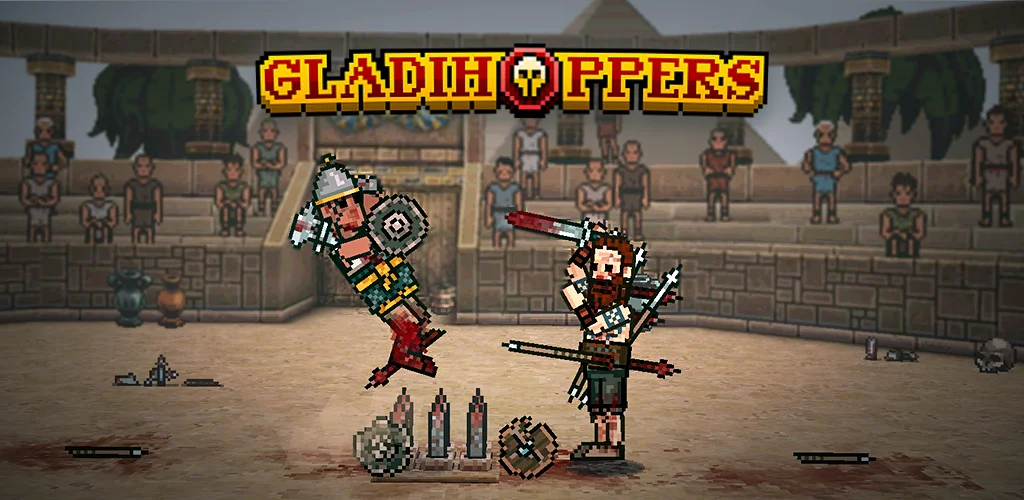
Why Players Stay With Gladihoppers Beyond the Joke
The presentation is funny, but the retention comes from mastery. As you learn how momentum, distance, and hit reactions interact, matches feel less like chaos and more like controlled exchanges where each read matters. That shift from unpredictable brawls to intentional duel flow is what gives Gladihoppers long-term replay value.
Hot Games

New Games

