Granny
Games You May Like
Granny Traps You in a House Where Every Sound You Make Could End the Run
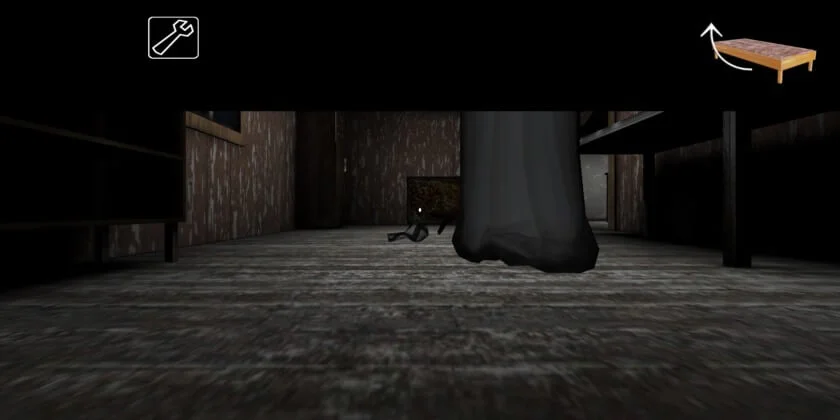
Granny is a first-person horror escape game that became one of the most recognizable titles in its genre. You wake up locked inside a decrepit house with no memory of how you got there. Somewhere in that house is the old woman known as Granny, and she is not friendly. Your job is to find a way out before five in-game days expire — each day representing one more chance that ends when she catches you.
What makes Granny genuinely tense rather than just startling is the sound system. Every dropped item, every opened door, every creaky floorboard sends an audio signal that Granny responds to with disturbing speed. The game rewards players who move deliberately, think through each action before committing, and resist the panic-induced urge to run when something goes wrong.
Escaping the House Requires Puzzle Chains, Not Just Speed
The exit is never a single-key solution. Escaping Granny requires finding tools spread across the house, understanding which items unlock which mechanisms, and connecting those solutions in the right sequence. Keys open certain doors, bolt cutters deal with padlocks, and other items serve multi-step functions that only become clear once you have explored enough rooms to understand the layout.
Learning the floor plan is as important as finding items. Players who know where each room connects, which floorboards are safe, and where Granny tends to position herself after a noise event can make efficient cross-house runs rather than blind searches that cost time and risk detection.
- Memorize room positions early — navigating the house from memory is far faster and quieter than exploring under pressure.
- Never carry items you do not immediately need — dropping something accidentally creates noise and can alert Granny from a different floor.
- Listen to her footstep direction after any sound event — her movement patterns tell you which zones are temporarily safe to cross.
- Chain nearby objectives together on each run rather than making multiple round trips across the house for single items.
- Stay calm after getting caught — panic leads to more noise on the retry, and you lose the composure needed to make smart route choices.

Granny works because each run is a small negotiation between what you know and what you do not. The house becomes more readable with experience, and that growing familiarity — combined with the constant threat of a single noise breaking everything — is exactly what makes it impossible to stop at just one attempt.
Hot Games

New Games

