Ice Dodo
Games You May Like
One Track, Zero Margin: What Makes Ice Dodo So Addictive
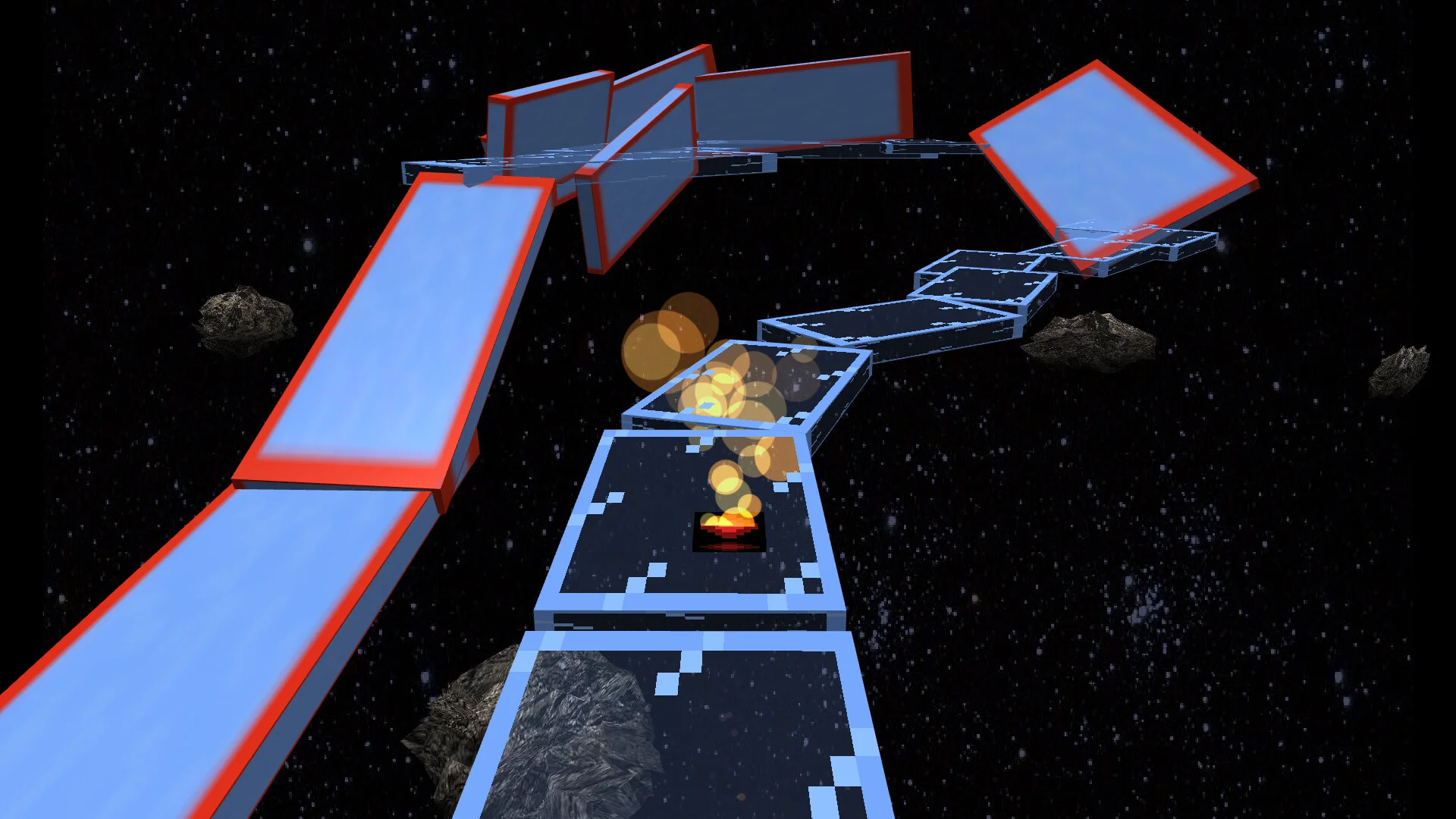
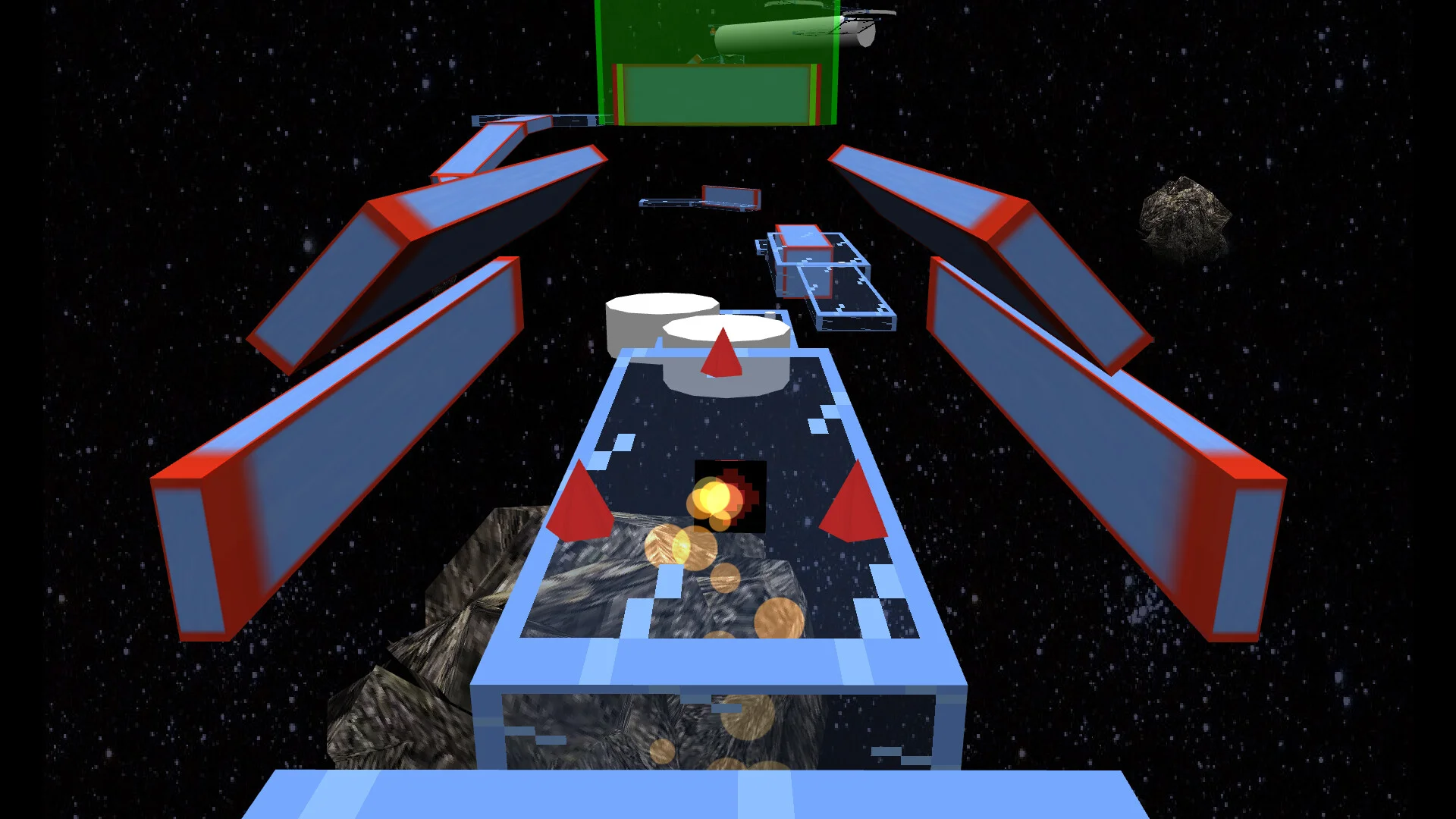
Ice Dodo is a minimalist 3D runner where you guide a cube along razor-thin ice tracks suspended over a void. There are no power-ups, no enemies, and no second chances. The game strips away every distraction and tests one thing: how precisely you can steer under increasing pressure.
The appeal is deceptive. Early levels feel manageable with gentle curves and wide paths. But by the mid-stages, tracks shrink to barely wider than your cube, turns become sharp right-angles, and speed ramps force split-second steering commits that leave zero room for correction.
Why Gentle Inputs Win Over Fast Reactions
Most players fail because they oversteer. A hard left to avoid an edge sends the cube flying off the opposite side. The key insight is that Ice Dodo rewards smooth, incremental adjustments rather than panic corrections. Think of it like driving on real ice: small inputs maintain traction, while sharp jerks cause slides.
Track Pattern Recognition
Levels follow repeatable obstacle sequences. Once you identify the rhythm of a level, straightaways always lead into curves, and narrow bridges always follow wider platforms. Reading two segments ahead lets you set up your entry angle before the turn arrives, which is far more effective than reacting to the turn as it appears.
Level-by-Level Mindset Shifts
- Levels 1-5: Focus on learning control sensitivity. Find the lightest input that still turns your cube reliably.
- Levels 6-12: Pre-position before every corner. Enter turns from the outside edge to give yourself the widest possible arc.
- Levels 13+: Speed management becomes critical. Some sections require deliberate slowing, which feels counterintuitive but prevents overshooting narrow bridges.
Building Consistency Through Failure Analysis
When a run ends, most players immediately restart. A better approach is to pause for two seconds and identify the exact input mistake. Was it late steering? Too aggressive? Wrong entry angle? Naming the specific error before retrying prevents repeating the same mistake and builds cleaner muscle memory faster than brute-force repetition.
The Camera Trap
Ice Dodo's fixed camera angle occasionally creates visual ambiguity on diagonal track sections. The cube can appear centered when it is actually drifting toward an edge. Trust the track geometry you have memorized rather than relying solely on visual position during these tricky segments.
Hot Games

New Games

