Idle Ants
Games You May Like
The Satisfying Economics of Idle Ants
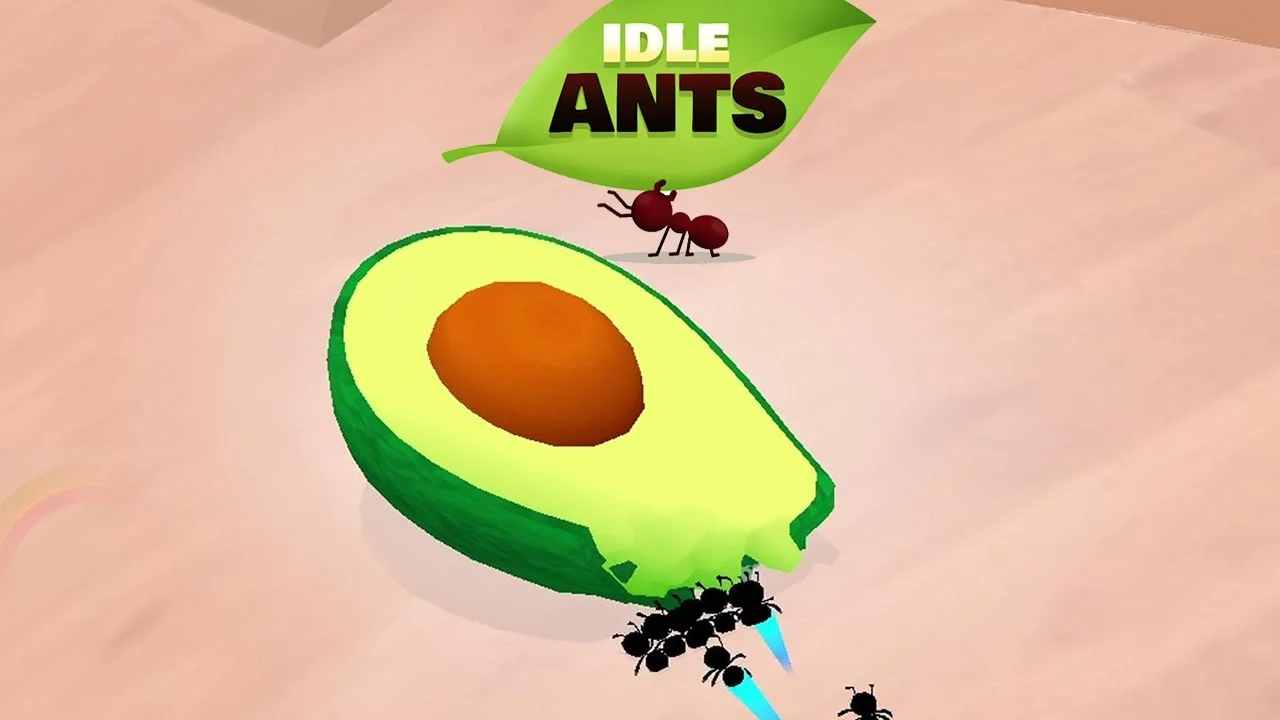
Idle Ants turns a colony of tiny workers into a resource-stripping machine. Your ants disassemble objects piece by piece, hauling fragments back to the nest, and every upgrade you buy translates into a visible increase in swarm efficiency. It is one of the most visually satisfying idle games because progress is always on screen: more ants, faster movement, bigger hauls, and increasingly absurd target objects.
Three Upgrade Levers That Drive Everything
The entire progression system revolves around three stats: ant count, movement speed, and carry value. Each lever compounds differently depending on the stage:
- Ant Count: Dominant in early stages where small objects get stripped quickly. More workers means faster disassembly of small targets, establishing income momentum early.
- Speed: Becomes the strongest lever once maps grow larger and travel time between the object and nest eats into efficiency. By mid-game, one speed upgrade often outperforms two ant-count upgrades.
- Carry Value: The late-game multiplier. When your colony already has enough workers and speed, increasing per-trip value creates exponential income scaling that unlocks the final tiers fast.

Stage Progression and Object Variety
Early stages feature simple food items: cookies, donuts, pizza slices. Mid-game introduces vehicles, electronics, and furniture with segmented destruction zones that require more worker-trips. Late stages throw in comically oversized objects like rockets and dinosaur skeletons, where efficient pathing and nest positioning start mattering more than raw numbers.
Offline Earning Strategy
Idle Ants accumulates resources while you are away, but the collection rate caps at a fraction of active play speed. The optimal rhythm is to check in periodically, spend accumulated earnings in one focused upgrade burst rather than trickling purchases, and then close the game again. Batching upgrades this way ensures each session pushes you past a meaningful threshold rather than incremental gains that feel flat.
Common Investment Mistakes
Spreading coins evenly across all three stats feels balanced but produces slower growth than targeted spending. Early on, funnel everything into ant count until your swarm visibly covers the target object. Then shift heavily into speed for the mid-game travel bottleneck. Only pivot to carry value once both other stats feel diminishing. This staged investment approach consistently outperforms flat distribution.
Hot Games

New Games

