Kindergarten 3
Games You May Like
Kindergarten 3 Keeps the Series Formula of Chaos and Logic
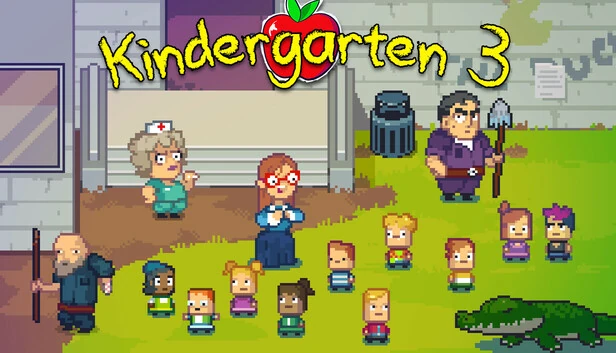
Kindergarten 3 continues the dark-comedy school mystery style that made the series popular: short day cycles, suspicious classmates, hidden item chains, and mission routes that only work when events happen in the right order. It looks cute on the surface, but progression depends on careful sequencing and remembering what each character needs before they unlock the next clue.
Each failed run still gives useful information. You learn where a route broke, which dialogue branch was premature, or which item should have been saved for a later trigger. That feedback loop is the heart of the game.
How to Progress Without Guesswork
- Start each attempt with one objective chain instead of trying to do everything at once.
- Track item dependencies mentally: some quests look available early but require hidden prerequisites.
- After a failed route, only change one step in your sequence so you can isolate the real cause.
- Revisit characters after major events because dialogue trees often update mid-day.
Why Timing Matters More Than Reflexes
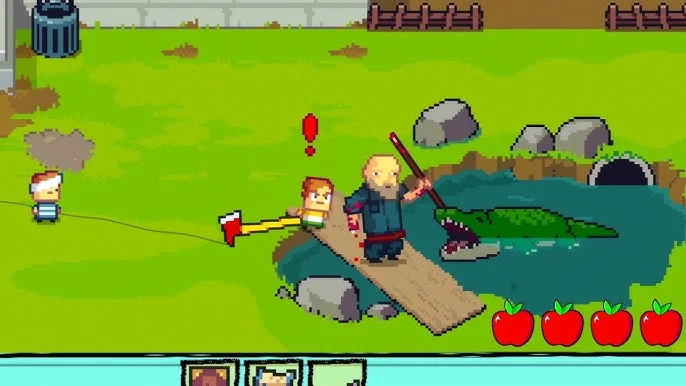
Kindergarten 3 is not about reaction speed. It is a route puzzle where timing and order control everything. Picking the correct action too early can lock the run just as hard as picking the wrong action entirely.
Best Mindset for Efficient Clears
Think like a detective, not a speedrunner. Build a reliable baseline route first, then optimize mission order once you understand the dependency map. With that approach, difficult quest chains become consistent instead of random.
Hot Games

New Games

