Learn to Fly 2
Games You May Like
One Penguin, One Dream, Infinite Launches in Learn to Fly 2
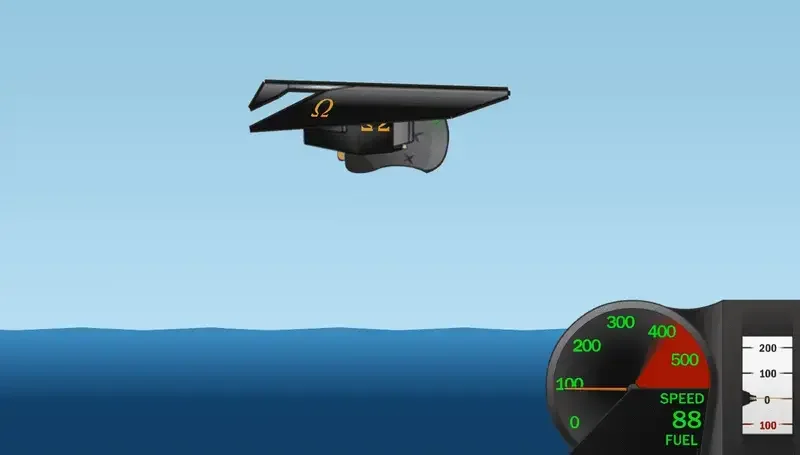
Learn to Fly 2 is a physics-based launching game about a penguin who has read one too many books about aerodynamics and refuses to accept that his species cannot fly. Every run starts on a snowy ramp. You launch, manage your angle during flight, fire your booster rocket at the right moment, and crash somewhere out over the ocean. Then you take the gold you earned, buy upgrades, and launch again — going a little farther each time.
The gameplay loop is deceptively satisfying. There is something deeply rewarding about seeing your flight distance tick up with each improved piece of equipment, and the wide variety of unlockable gliders, sleds, and rockets gives you dozens of interesting gear combinations to discover. The sequel significantly expanded the original with more game modes, a full upgrade shop, achievements, and an endgame that involves collecting enough speed to literally punch through the iceberg that mocked the penguin in the first game.
Your Equipment Slots and What Each Does
Each launch uses a combination of items across four core equipment slots. Understanding what each slot does and when to prioritize it determines how fast your distance climbs:
- 🛷 Sled: Determines your speed off the ramp. A better sled means higher launch velocity before you even reach the air, which multiplies the effectiveness of every other piece of equipment you have.
- 🪂 Glider: Controls how quickly you lose altitude once airborne. High-drag gliders like hang gliders and wings allow long shallow descents; low-drag options sacrifice air time for speed. Choose based on whether you need distance or speed for your current goal.
- 🚀 Rocket: The mid-flight thrust unit. Triggers once the penguin is airborne and adds a burst of horizontal speed. Upgrading rocket power is often the biggest single jump in distance you can buy.
- 💥 Payload: Special items that activate during the flight, including items that increase altitude recovery and devices that add bonus thrust at specific moments. These are unlocked later and add a whole layer of optimization.
Story Mode vs. Classic Mode
Learn to Fly 2 features a Story Mode with a defined objective — destroy the iceberg — and a Classic Mode focused purely on maximum distance. Story Mode requires hitting specific milestone distances to trigger cutscenes and unlock equipment. Classic Mode strips out the narrative and puts all emphasis on pushing your single-run record. Both modes share the same shop, so progress in one carries partially into the other. Starting with Story Mode is recommended since its milestone rewards accelerate your gear collection.
The Best Upgrade Order to Maximize Distance Early
- Upgrade your sled first: A better sled is the cheapest and most immediate multiplier on all your other equipment. The initial sleds are dramatically slower than mid-tier options — getting past the starter sled is a top priority.
- Then improve rocket thrust: Once your sled is at least mid-level, rocket upgrades provide the biggest per-purchase distance gains. Rocket power directly extends mid-flight range.
- Add a glider upgrade when you hit air-time bottlenecks: If you are consistently hitting the water very quickly after your rocket runs out, your glider is the limiting factor. A steeper glide angle (lower sink rate) will immediately add hundreds of meters.
- Keep all three scaling together: The worst situation is maxing one slot while neglecting others. Aim to keep sled, rocket, and glider within a tier or two of each other for well-rounded launches.
- Save for the big-ticket items: Some of the mid-game gliders and rockets cost significantly more than incremental upgrades. Hold back a launch or two's worth of gold and buy the tier jump rather than the next small increment.
Quick Tips for Getting More Distance Per Launch
- 📐 Adjust your nose angle during flight manually. Pointing slightly nose-up extends air time; nose-down bleeds altitude for more horizontal speed at landing. The optimal angle varies by glider type.
- 🔥 Fire your rocket only after achieving maximum initial speed from the ramp. Triggering it too early during the ramp run wastes thrust before you are fully airborne.
- 🏆 Prioritize achievements that give bonus gold — many early achievements are trivially easy to unlock and provide enough gold to buy an extra upgrade level immediately.
- ❄️ Watch for the iceberg distance milestone. Every benchmark crossed in Story Mode unlocks a cutscene and occasionally free equipment you would otherwise have to buy.
- 💰 Buy the fuel upgrade for the rocket before buying the next rocket tier — more fuel means more sustained thrust time, which often beats a higher-power shot with less duration.
Hot Games

New Games

