Only Up
Games You May Like
The Higher You Go, the More You Have to Lose
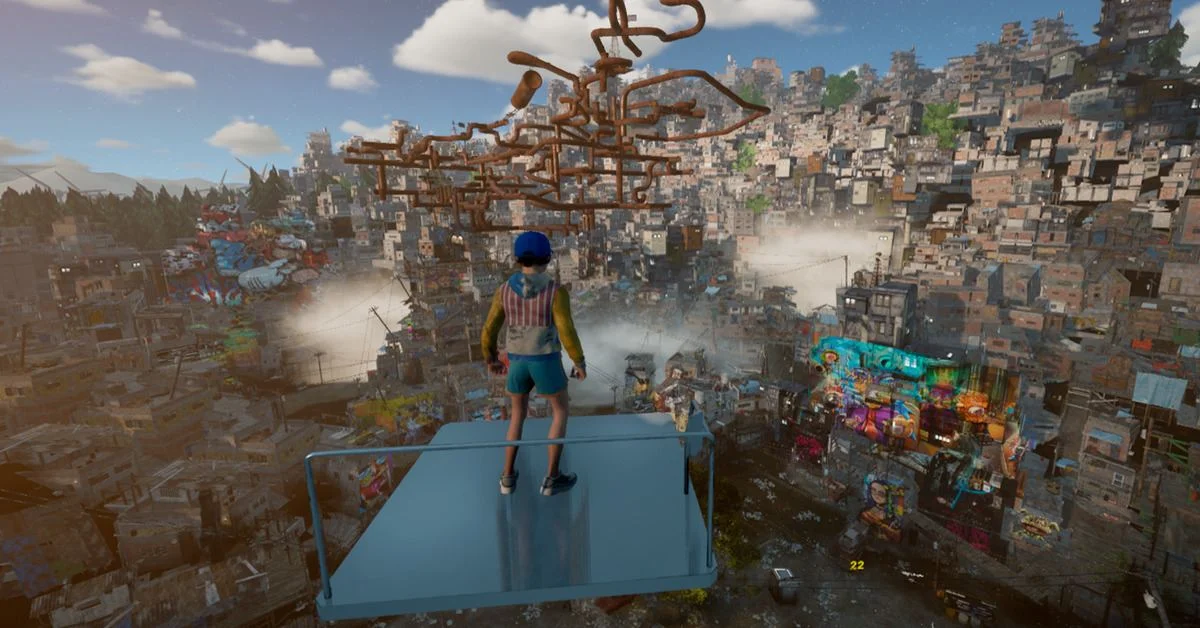
Only Up operates on one deceptively simple rule: there are no checkpoints. You climb an enormous, vertically stacked obstacle world filled with floating platforms, moving surfaces, precarious edges, and deceptively spaced gaps — and if you miss a jump, you fall. Sometimes a few platforms. Sometimes several minutes of careful climbing, erased in a single mistimed leap. That ever-present risk of total loss is what makes every correct jump feel genuinely earned, and every reached section feel like territory worth defending with your full attention.
The game became a streaming and content-creation phenomenon partly because of how ruthlessly it exposes the gap between confident movement and actual precision. Players who feel in control suddenly discover that high-altitude sections demand a completely different level of camera management, approach discipline, and mid-air correction that ground-level platformers never forced them to develop.
Route Choice Is the Real Skill
Only Up rewards players who study the environment as much as those who execute jumps cleanly. The world is filled with multiple viable paths upward, and the choice between them is rarely obvious:
- 🔵 Safe lines are wider, more forgiving, and slower. They are the right call early in a long attempt when losing progress would be devastating.
- ⚡ Shortcut lines can save significant climbing time but demand precise approach angles and steady camera control. They are worth attempting only when your rhythm is confident and clean.
- 📐 Recovery lines exist after near-falls. When you barely catch a platform after a stumble, the fastest path is not always straight up — sometimes a lower, wider surface gives you a stable reset before continuing.
Camera Management Is Non-Negotiable
A significant percentage of Only Up deaths are not caused by the jump itself but by the camera angle going into it. Players who rush the camera position before launching often misjudge platform distance, edge width, or gap timing. The habit of settling the camera before each important jump — even adding one or two extra seconds — dramatically reduces error rate at altitude.
How to Survive Mental Fatigue at Altitude
Most falls in Only Up's later sections come from attention lapses rather than mechanical failures. As a run extends, concentration erodes. The platforms do not get harder — your focus does. Experienced climbers counter this by treating every difficult section as its own isolated challenge, mentally "resetting" before each jump cluster rather than thinking about how far they have come or how far they have to fall.
Practical Tips for Going Higher
- 🎯 Walk into jump positions rather than running — reduced speed gives you more control over takeoff angle on narrow platforms.
- 🏔️ Identify visual landmarks in the world to mentally map your progress. Landmarks help you recover routes after falls without panic.
- ⏸️ Pause briefly after each major successful section. A two-second breathing pause resets focus and prevents the overconfidence that causes the next mistake.
- 📷 If a jump has killed you twice, change your approach angle completely. The same trajectory will keep producing the same result.
- 🔁 After a significant fall, climb back with deliberate slowness. Rushing back out of frustration leads directly to a second drop in the same location.
After a slip, identify three things in order: nearest stable platform, safest re-entry line, and camera orientation for the next jump. This structured reset prevents panic movement and significantly reduces chain-fall errors during long sessions.
Hot Games

New Games

