Ping Pong Chaos
Games You May Like
Table Tennis, But Everything Is Ridiculously Unstable
Ping Pong Chaos takes the clean rules of ping pong and throws them into a physics blender. Characters wobble, jump awkwardly, and swing in barely controlled arcs, so each point becomes a mix of reflexes, adaptation, and comedy. It is the kind of game where a perfect read can still end in disaster because one strange bounce flips the rally in an instant.
That unpredictability is exactly why the game is so replayable. Matches are short, momentum swings are dramatic, and every round creates those "how did that happen" moments that make local multiplayer sessions explode with laughter.
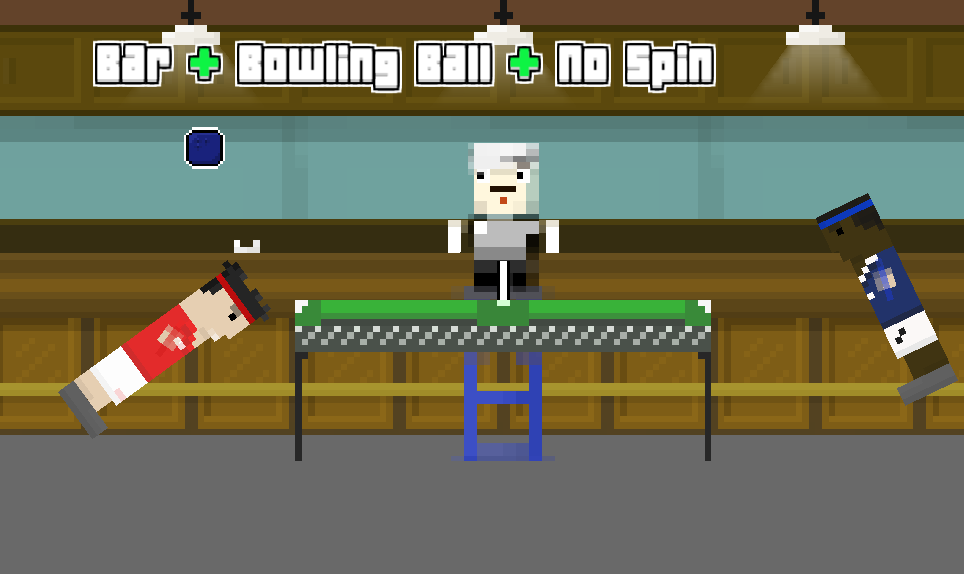
What Makes Ping Pong Chaos So Fun
- Physics-first gameplay: Ball trajectories are readable enough to plan, but weird enough to surprise you constantly.
- Intentionally awkward movement: You are not controlling a perfect athlete; you are wrestling momentum in real time.
- Quick rounds: Fast points and immediate rematches keep games flowing without downtime.
- Best with friends: Local duels turn every accidental winner into a full-room reaction.
How to Win More Chaotic Rallies
Treat every exchange as a positioning game rather than a power game. You do not need huge swings to score; you need stable contact and better placement. Staying centered, timing jumps late, and aiming simple returns to awkward opponent zones often beats flashy, risky hits. Chaos rewards players who remain calm when the ball does something weird.
Consistency Tips
- Keep your character near center unless a clear angle demands movement.
- Use controlled taps instead of full-force panic swings.
- Expect one strange bounce every rally and prepare for the second touch.
- After losing a chaotic point, reset instantly; frustration causes more mistakes than physics does.
Hot Games

New Games

