Ping Pong Go
Games You May Like
Arcade Table Tennis Built Around Reflex and Rhythm
Ping Pong Go delivers quick, satisfying table-tennis action with a strong focus on timing and placement. Compared to pure simulation games, it keeps controls accessible while still rewarding players who understand rally tempo, angle creation, and shot discipline. The result is easy to start, difficult to master gameplay that stays engaging across both short sessions and longer improvement runs.
What makes Ping Pong Go stand out is how much control you gain as your read speed improves. Early matches are about simply keeping the ball alive. Later matches become tactical exchanges where you intentionally open the table, force a weak return, then finish the point with a clean directional shot.
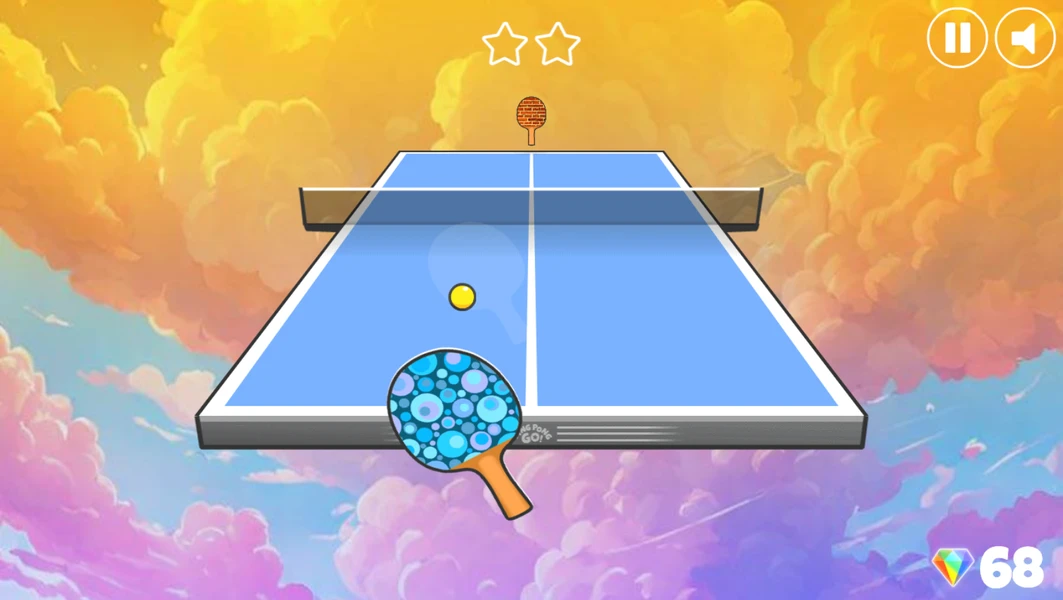
Core Mechanics That Decide Matches
- Angle control: Slightly changing paddle direction at contact can move opponents out of position and open winners.
- Contact timing: Early, neutral, and late contacts produce different trajectories. Timing is your main tactical lever.
- Rally rhythm: Sustained exchanges reward players who can stay composed and repeat good positioning habits.
- Arcade responsiveness: Inputs feel immediate, so improvement comes quickly once fundamentals click.
From Reactive to Proactive Play
To improve quickly, stop reacting only to incoming shots and start planning the next two touches. A safe return to deep corner space can force a predictable counter, which lets you pre-position for a finishing shot. This proactive mindset turns random rallies into repeatable patterns and dramatically raises your win consistency.
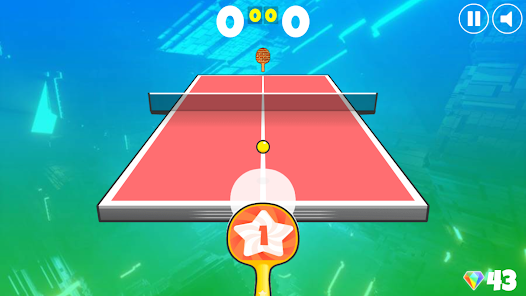
Simple Improvements with Big Impact
- Recover to neutral position after every hit rather than admiring your shot.
- Aim wider only when your footing is stable; rushed angle attempts often miss.
- Mix pace changes to break opponent rhythm instead of hitting max speed every ball.
- Use long rallies as information: identify where your opponent consistently over-commits.
Hot Games

New Games

