Plonky
Games You May Like
Precision Platforming with No Room for Lazy Inputs
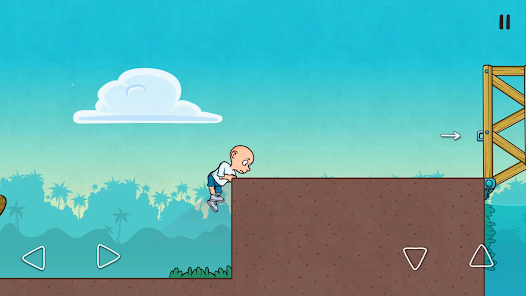
Plonky is built for players who enjoy movement mastery. Its obstacle layouts demand clean timing, controlled speed, and decisive route choices from start to finish. You are not just reaching the goal; you are learning how each surface, gap, and hazard behaves so your next attempt becomes smoother, faster, and far more reliable.
The game feels simple at first, but the challenge scales through sequence design. Individual jumps are manageable. Stringing multiple jumps together while preserving momentum is where Plonky becomes genuinely satisfying. The deeper you get, the more each level feels like a puzzle made of movement decisions.
What Strong Runs Have in Common
- Route clarity: Players who decide their path before moving make fewer panic corrections mid-run.
- Speed control: Full speed is not always optimal. Micro-adjustments before hazards prevent overshoots.
- Landing discipline: Stable landings set up the next jump; rushed recovery ruins chain consistency.
- Repetition with intent: Repeating a section only helps when you identify exactly why the previous attempt failed.
How to Improve Faster in Plonky
Break each difficult segment into small chunks and perfect transitions between them. Most mistakes happen at transition points, not on the obvious "hard" jump. Once your transitions are stable, level clears become far more repeatable and your completion speed naturally rises without forcing risky shortcuts.

Execution Tips
- Use short setup steps before narrow jumps to lock in a consistent takeoff angle.
- Pause for half a second after a messy landing; forced follow-ups usually fail.
- If one section keeps failing, approach it from a slower rhythm once before retrying full pace.
- Focus on completion consistency first, then optimize for speed on stable routes.
Hot Games

New Games

