Poor Eddie
Games You May Like
Dark Humor Meets Trap Puzzle Platforming
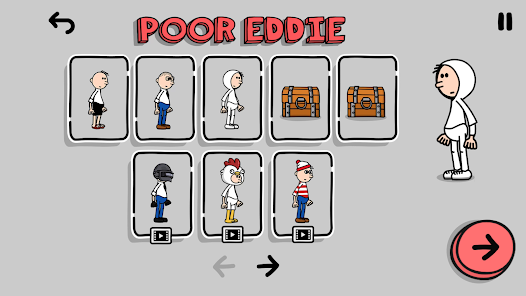
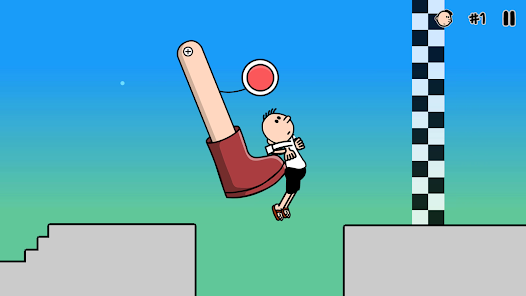
Poor Eddie is built around one unlucky protagonist and a level design philosophy that constantly asks, "What is the worst thing that could happen next?" Rooms are packed with hazards, misleading safe zones, and timing traps that punish rushed decisions. The tone stays playful, but the challenge is real: observation and patience matter more than raw speed.
Each stage feels like a mini logic puzzle wrapped in platform controls. You test routes, identify trigger behavior, then execute a cleaner attempt with better timing. That loop of fail, learn, and outsmart the setup gives Poor Eddie its distinct personality and long-lasting appeal.
How to Read Trap-Based Levels Better
- Scan before moving: Many hazards trigger from position thresholds. A one-second lookahead saves multiple retries.
- Time windows matter: Trap cycles often create small but reliable safe gaps when approached patiently.
- Learn trigger logic: If a trap activates unexpectedly, note exactly where you were standing when it fired.
- Adapt route planning: The shortest line is not always the safest or fastest in total attempts.
From Frustration to Consistent Clears
Progress in Poor Eddie improves dramatically once you stop treating deaths as random. Most failures come from repeating the same rushed entry into known danger. Break difficult rooms into two or three checkpoints in your mind, solve each transition, then connect them in one continuous run. This method turns chaotic-looking levels into predictable execution tests.
Reliable Habits for Tough Rooms
- Do one deliberate scouting attempt before trying for speed.
- Wait for complete trap reset cycles after each failed run.
- Commit to clean, repeatable lines instead of flashy shortcut guesses.
- If a section feels random, track trigger positions and convert it into a timing pattern.
Hot Games

New Games

