Raft Life
Games You May Like
From Barely Floating to Fully Settled
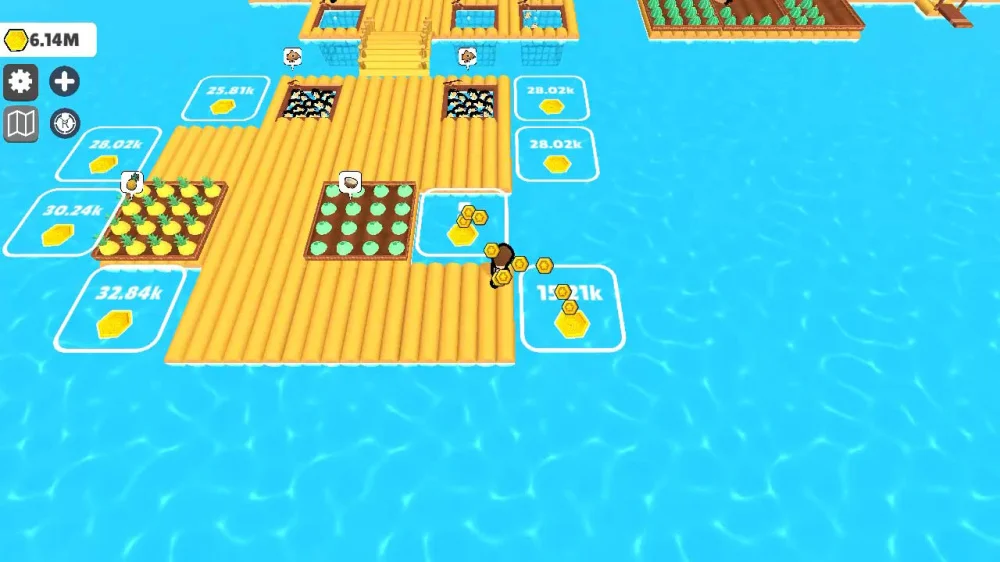
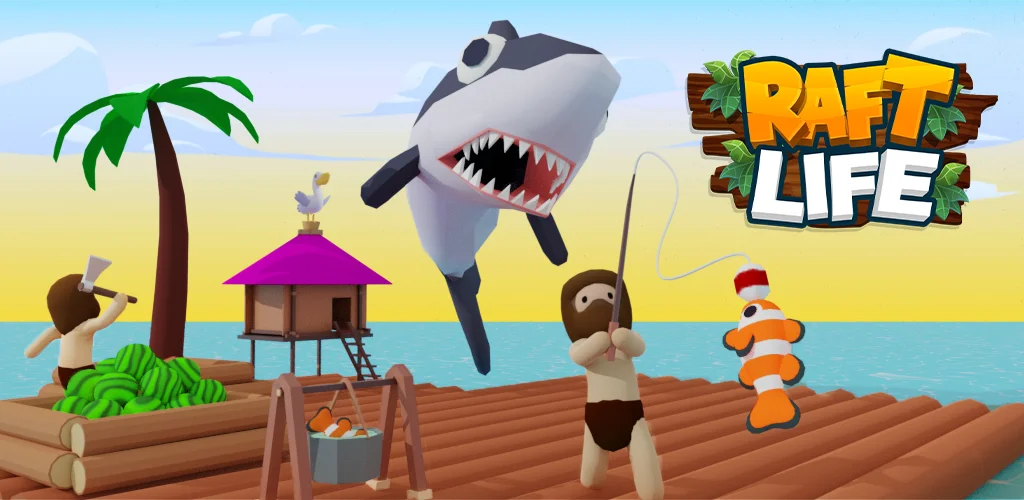
Raft Life turns the fantasy of surviving at sea into a relaxed but satisfying browser loop built around gathering, upgrading, and slowly transforming a fragile wooden platform into a livable floating base. You begin with very little space, very few resources, and just enough room to keep yourself fed, but every action contributes to steady long-term progress. Catch fish, collect materials, add new structures, and keep the raft efficient enough to support the next expansion.
What makes the game appealing is its balance between survival tension and comfortable progression. It never feels like a punishing simulator, yet it still rewards practical decisions about where to spend money, which upgrades to unlock first, and how to organize your limited raft space so each new system actually helps the one before it.
The Core Loop That Drives Every Session
Raft Life works because every small job connects directly to a larger goal. Fishing keeps you alive and generates reliable income. Gathering materials supports repairs and expansion. Unlocking new stations gives you fresh ways to earn or automate work. Even rescuing new characters matters because extra helpers reduce manual pressure and make the raft feel more like a developing settlement than a single survival platform.
- Fishing and food: Early stability comes from securing a dependable source of food and cash, making fishing one of the most valuable first habits.
- Expansion planning: Every added section of raft space creates new possibilities, but also demands smarter layout choices so movement stays efficient.
- Rescue and staffing: Bringing in helpers is not just cosmetic; it improves workflow and reduces how many tasks you must manage personally.
- Upgrade pacing: Spending too early on the wrong unlock can slow overall growth, so choosing upgrades in the right order matters.
Why Progress Feels So Satisfying
The best part of Raft Life is the visible transformation of your raft over time. A few minutes into the game, you are just trying to keep your head above water. Later, you are managing a much larger floating space with dedicated stations, rescued companions, and a cleaner rhythm of income and resource flow. That sense of physical improvement is powerful because the raft itself becomes a record of every smart decision you made.
Good Early Decisions Lead to Faster Growth
Players who progress quickly usually focus on reliability before ambition. Build steady food and income first, then expand only when you can support the new section without creating dead space or unnecessary backtracking. The game is forgiving, but efficient layouts and sensible upgrades make the whole experience smoother and noticeably more rewarding.
Practical Tips for a Better Floating Base
- Prioritize steady income: Reliable fishing and basic resource generation are more important than flashy expansion in the opening phase.
- Avoid messy layouts: A compact raft with clear movement paths saves time every time you need to collect, repair, or build.
- Unlock helpers at smart moments: Automation matters most when your manual workload starts breaking your pace.
- Expand with purpose: Add new sections when they support a clear next step, not just because you can afford them.
Hot Games

New Games

