Ragdoll Archers
Games You May Like
Funny Physics on the Surface, Serious Shot-Making Underneath
Ragdoll Archers looks chaotic because every character moves like a loose puppet, but the deeper you play, the more obvious its skill ceiling becomes. Arrows travel on real trajectories, body positioning changes from moment to moment, and even slight shifts in height or angle can turn a missed shot into a perfect hit. The result is a game that creates constant laughter without ever becoming random. When you lose, it usually feels like a bad read, a rushed release, or a weak movement decision rather than pure luck.
That mix of comedy and precision is exactly why the game works so well. You can enjoy it casually because every duel creates ridiculous moments, but you can also improve in very measurable ways by learning arc control, body balance, and how to punish unstable opponents before they recover.
Why Each Duel Feels Different
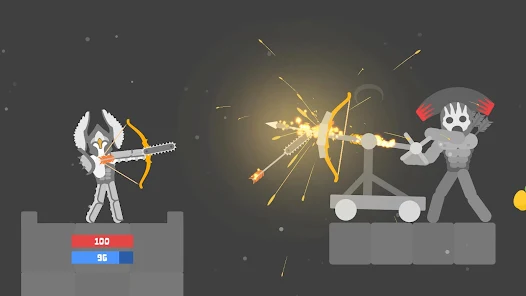
The ragdoll physics make every exchange dynamic. A character leaning backward presents a different target shape than one falling forward. An arrow that lands in the torso may pin movement, while a head-level shot ends the round much faster. Because the fighters never stay perfectly stable, aiming becomes a living problem rather than a static target exercise.
- Arrow trajectory: Distance and elevation matter on every shot, so players who understand arc control create far more pressure.
- Hit location: Different impacts create different outcomes, from clean damage to body destabilization and finish windows.
- Movement timing: Shooting while stable is safer, but sometimes a desperate mid-fall release is the shot that saves the round.
- Recovery punishes: Opponents who just landed or are leaning awkwardly are easier to hit accurately.
How Good Players Create Control in Chaos
Experienced players do not chase impossible highlight shots every turn. They build pressure by aiming for reliable body hits first, forcing awkward reactions, then capitalizing when the opponent's posture becomes unstable. This is one of the biggest shifts in skill development: stop treating every arrow like a finishing shot and start using some arrows to create better future positions.
What Makes the Game So Replayable
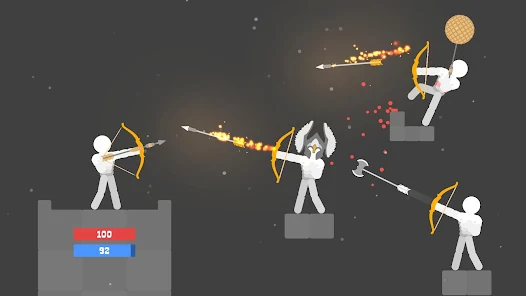
Ragdoll Archers stays fresh because no two duels unfold exactly the same way. Physics variation means you are always adapting, but the rules remain consistent enough that practice still pays off. You improve your release timing, learn safer angles, recognize unstable enemy states more quickly, and slowly build a style that feels both efficient and entertaining to watch.
Better Habits for More Wins
- Stabilize before shooting: A calm release from balanced footing is usually worth more than a rushed panic arrow.
- Use body shots intelligently: They often create easier follow-up situations than low-probability headshot attempts.
- Watch opponent recovery: Landing frames and awkward leans are the best moments to attack.
- Adjust by distance, not emotion: If you overshoot once, trim the angle or power slightly instead of swinging to the opposite extreme.
Hot Games

New Games

