Ragdoll Hit
Games You May Like
Messy Fights That Reward Surprisingly Clean Decisions
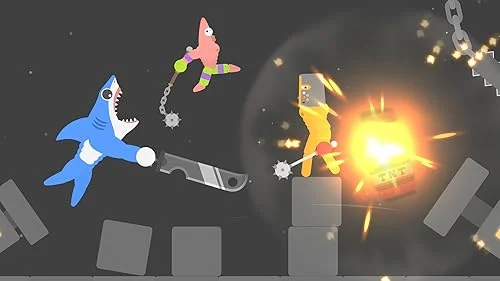
Ragdoll Hit is the kind of fighting game that looks completely out of control until you spend enough time with it to notice the underlying structure. Bodies wobble, collisions send fighters spinning, and weapon impacts can turn a balanced exchange into total chaos. But beneath the slapstick presentation, the game rewards the same fundamentals that matter in many serious fighters: spacing, timing, and knowing when not to overcommit.
The physics system is the star of the show. Momentum changes the strength of attacks, awkward landings open punish opportunities, and even defensive movement can accidentally create offense if your opponent crashes into the wrong angle. That is why the best rounds feel so memorable: you are never just trading hits, you are constantly negotiating unstable momentum.
Why Button Mashing Stops Working Quickly
New players often try to overwhelm opponents with constant attacks, but Ragdoll Hit punishes that habit. Extra inputs during unstable movement usually produce weaker contact, worse balance, or badly exposed recovery. Stronger players wait for the moment when their character is aligned well enough to produce solid force and then commit to one meaningful swing instead of three desperate ones.
- Momentum matters: Hits are stronger and more useful when your body position supports the swing instead of fighting against it.
- Spacing decides exchanges: Too close and your attack may collapse awkwardly; too far and you whiff into punishment.
- Recovery windows: Opponents who just stumbled or bounced off the stage are vulnerable if you react quickly.
- Environmental awareness: Arena position can change whether a hit merely stings or launches someone into a terrible spot.
Reading the Fight Instead of Forcing It
One of the best ways to improve in Ragdoll Hit is to slow down your mental pace. Watch how the opponent is leaning, where your own momentum is heading, and whether your next attack will land with control or with panic. Many winning rounds come from one or two clean punishments after the other player loses balance trying to force offense.
Why It Stays Entertaining
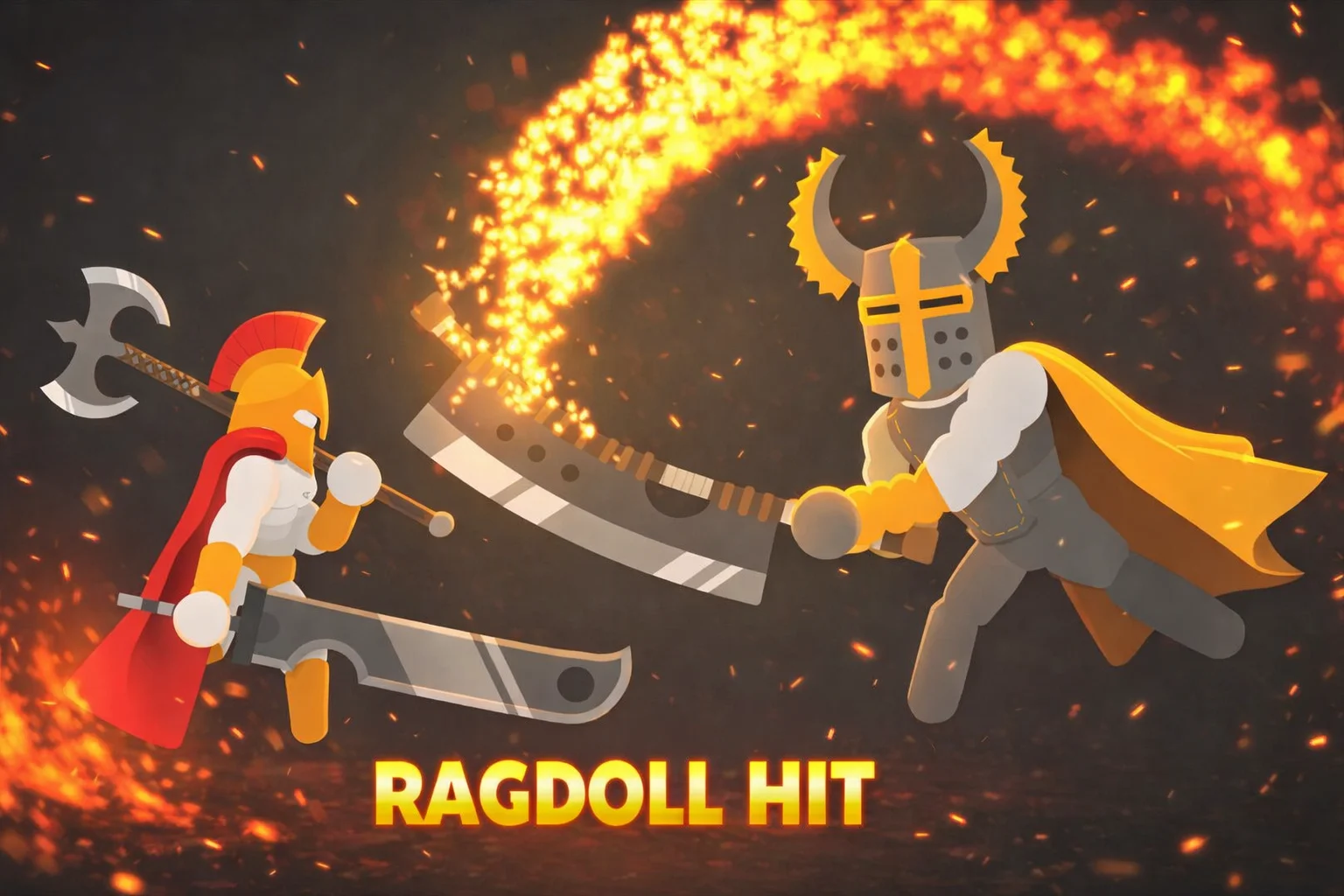
The game remains fun because every fight feels like a mini physics experiment. You know the objective, you understand the tools, but the exact chain of events is always a little different. That unpredictability keeps the matches funny, while the consistent underlying rules keep improvement satisfying.
Useful Fighting Habits
- Attack when stable: Balanced contact is worth far more than frantic swinging while falling over.
- Respect launch angles: The direction of impact often matters just as much as the hit itself.
- Let the opponent self-destruct: If they are already off-balance, bad pressure from them can become your opening.
- Control the pace: Short, deliberate engagements usually beat nonstop chaos when the match is close.
Hot Games

New Games

