Red Ball 4
Games You May Like
A Platformer That Feels Simple Until the Levels Start Layering Ideas
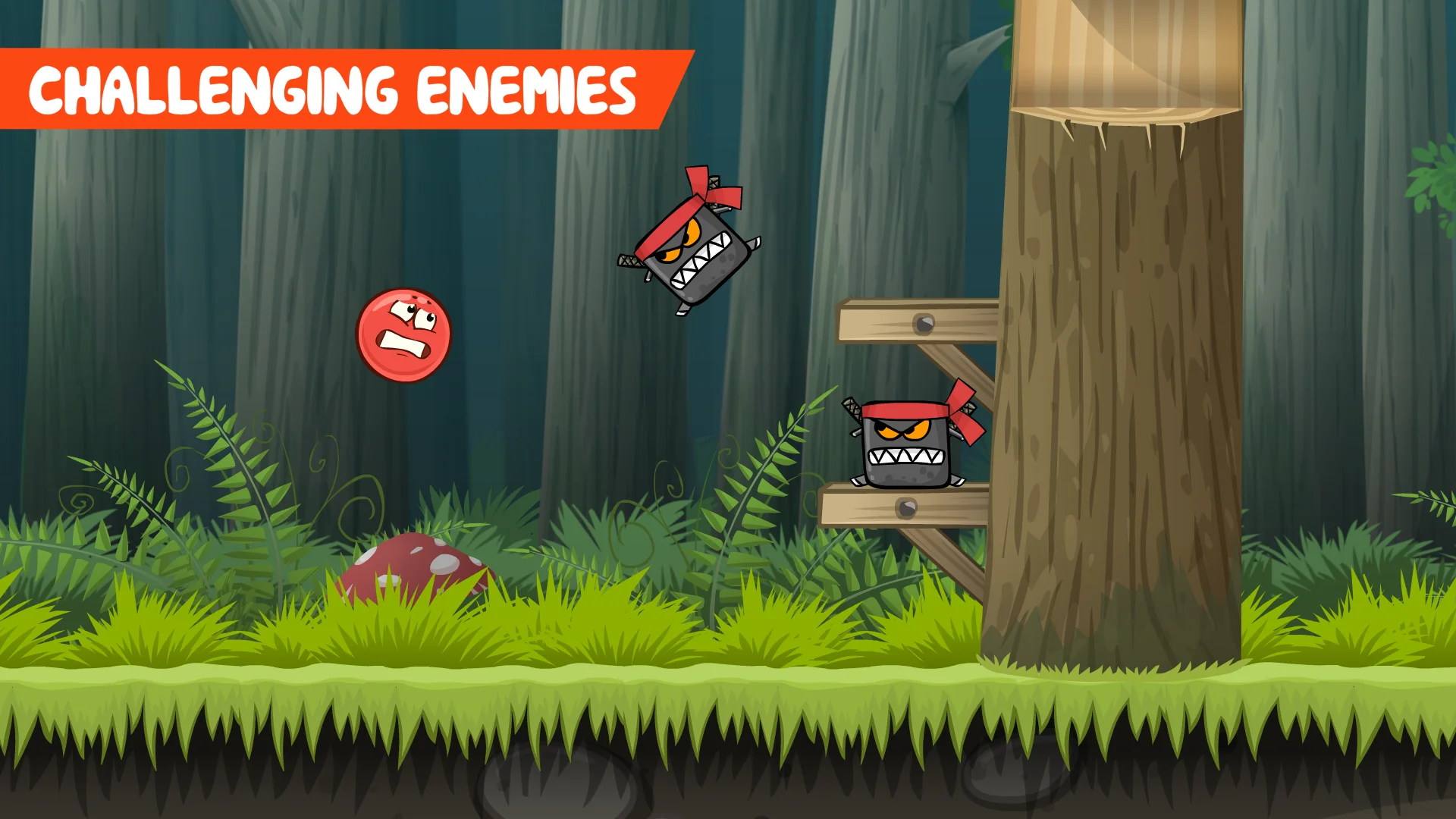
Red Ball 4 is one of the standout browser platform adventures because it understands exactly how to teach players while still giving them satisfying challenge. You control a cheerful red ball trying to stop square-shaped enemies from reshaping the world, and the game builds its stages around movement, momentum, enemy interaction, and environmental logic. The controls are easy to understand, but the level design keeps adding new situations that force you to use those basics in smarter ways.
That progression is what makes Red Ball 4 so memorable. Early levels teach you how to roll, jump, and push objects. Later ones expect you to combine those actions under pressure while avoiding traps, using moving platforms, or setting up safe ways to crush enemies. The game feels fair because it always builds on previously learned ideas instead of relying on cheap surprises.
Movement and Physics Are the Heart of Everything
Unlike a purely scripted platformer, Red Ball 4 gives weight to your movement. Rolling speed affects jump distance, slopes change momentum, and boxes or switches often become part of the path forward. Because the ball has real physical presence, small changes in positioning can create big differences in how safely you clear a section.
- Momentum-based jumping: A running jump covers different ground than a standing one, so approach speed matters constantly.
- Environmental problem solving: Buttons, crates, and moving objects are often part of the solution rather than mere decoration.
- Enemy interaction: Many foes are best beaten by landing on them correctly, which turns timing into both offense and defense.
- Hazard layering: Lasers, pits, and moving threats combine to test route reading instead of pure reaction speed alone.
Why the Game Keeps Its Charm
Red Ball 4 has strong personality without overcomplicating anything. The bright visuals, expressive animation, and playful tone make failure feel inviting rather than frustrating. That matters because the later stages absolutely demand retries, especially when puzzle setup and tight jumps appear in the same screen. The game wants you to experiment, and its presentation makes experimentation enjoyable.
What Helps Most on Harder Stages
Players improve fastest when they stop treating every obstacle as an isolated trick. Most difficult sections are really about sequencing: get the right momentum, land in the right place, hit the switch at the right time, then control the next jump before panic sets in. Once you think in chains instead of individual moments, the game becomes much easier to read.
Reliable Ways to Play Better
- Respect approach speed: Many missed jumps happen before takeoff because the entry angle or momentum was wrong.
- Use short pauses intelligently: Stop for a second when a room has moving hazards and map the order first.
- Do not rush enemy stomps: Clean bounce angles are safer than desperate last-second attacks.
- Read the puzzle, then act: If a stage includes switches or boxes, identify the logic before committing to movement.
Hot Games

New Games

