Run 2
Games You May Like
A Runner Built on Gravity Thinking
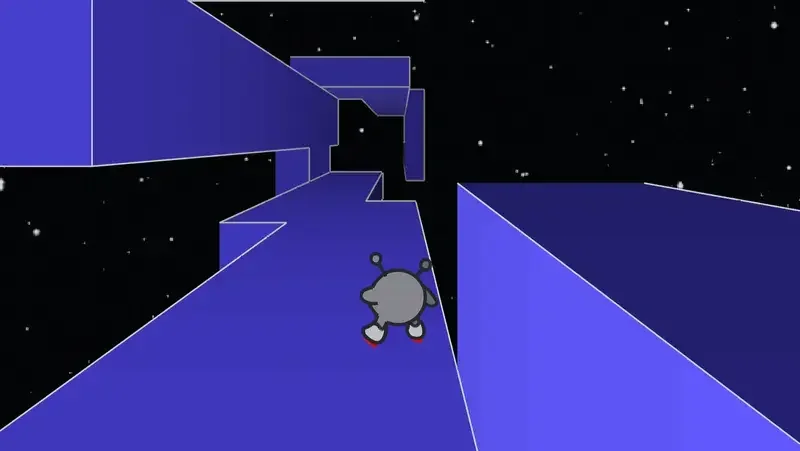
Run 2 remains a browser classic because it transforms a simple endless-runner concept into a route-reading game where gravity is part of movement strategy. You are not locked to one floor. You can shift onto tunnel walls, create new lines around danger, and choose between safer paths or riskier shortcuts depending on your confidence. That mechanic gives every run more tactical depth than pure lane-switch runners.
The pace increases naturally, but the real pressure comes from decision density. Gaps appear quickly, surfaces break your rhythm, and one late reaction can end a run that felt fully under control a second earlier. This is why Run 2 is so replayable: the game always feels beatable, and each failure teaches something concrete about timing or path selection.
Why Wall Routes Matter So Much
Most improvement in Run 2 comes from abandoning the idea that the floor is your default lane. Walls are often safer because they bypass broken sections or awkward jump chains. Players who rotate early into cleaner surfaces reduce panic jumps and gain more consistent survival rhythm.
- Gravity flexibility: Wall-running gives alternative approaches when the floor path collapses.
- Gap management: Some sequences are easier when viewed from a side wall instead of head-on.
- Rhythm preservation: Cleaner routes reduce last-second corrections that cause mistakes.
- Speed scaling: Better routes become more valuable as game pace accelerates.
The Psychology of Long Runs
Run 2 tests nerves as much as mechanics. Players often fail after a great section because confidence spikes and they overcommit to risky jumps. Strong runs come from discipline: keep movement clean, avoid unnecessary hero lines, and treat each section as a new puzzle rather than coasting on momentum from the previous one.
Another key pattern is recovery after near misses. The best players do not try to "make back" a stumble with aggressive movement. They stabilize first, then rebuild speed through a safe line. That reset habit prevents chain errors and extends survival dramatically.
What Makes Run 2 Timeless
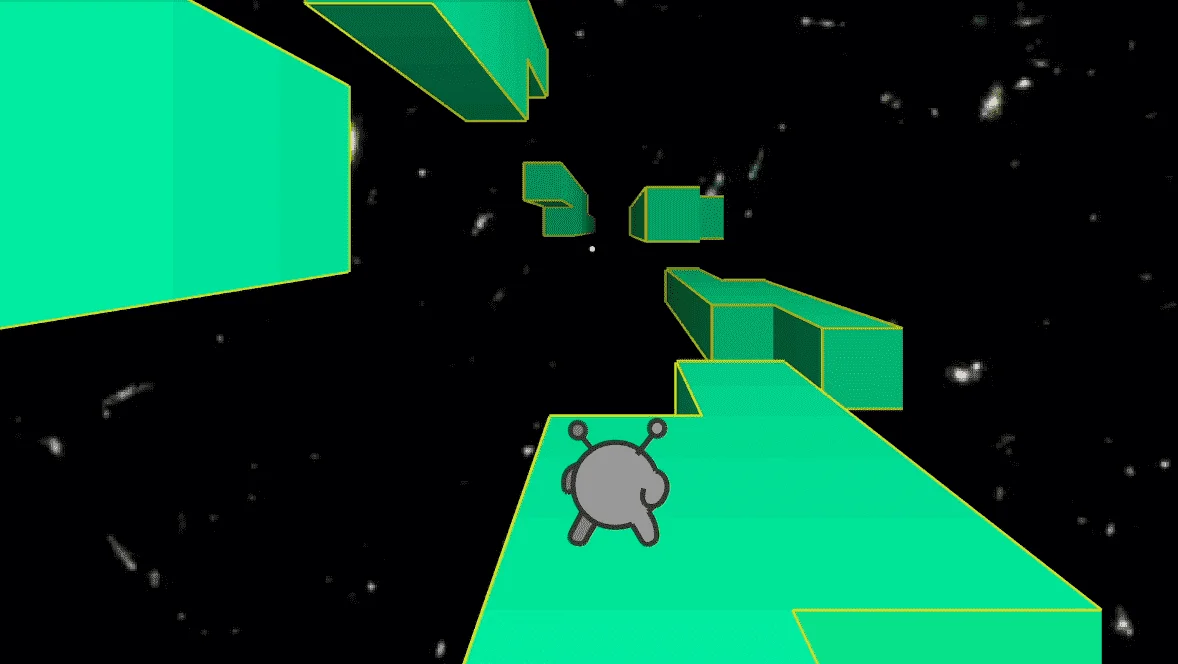
The game's graphics are simple, but its movement logic stays satisfying years later. Every death feels instructive, and every better run feels earned. You can play for two minutes or twenty and still get clear progress in route familiarity, jump confidence, and tunnel awareness.
High-Impact Habits
- Look ahead, not at your feet: Reading upcoming gaps early gives enough time for clean gravity choices.
- Rotate before panic: Early wall shifts are safer than emergency jumps from bad angles.
- Choose consistency over style: Stable survival routes beat risky shortcuts in long attempts.
- Reset after mistakes: One controlled second after a near fall prevents the next avoidable death.
Hot Games

New Games

