Run 3
Games You May Like
Run 3 Turns a Great Runner into a Full Adventure
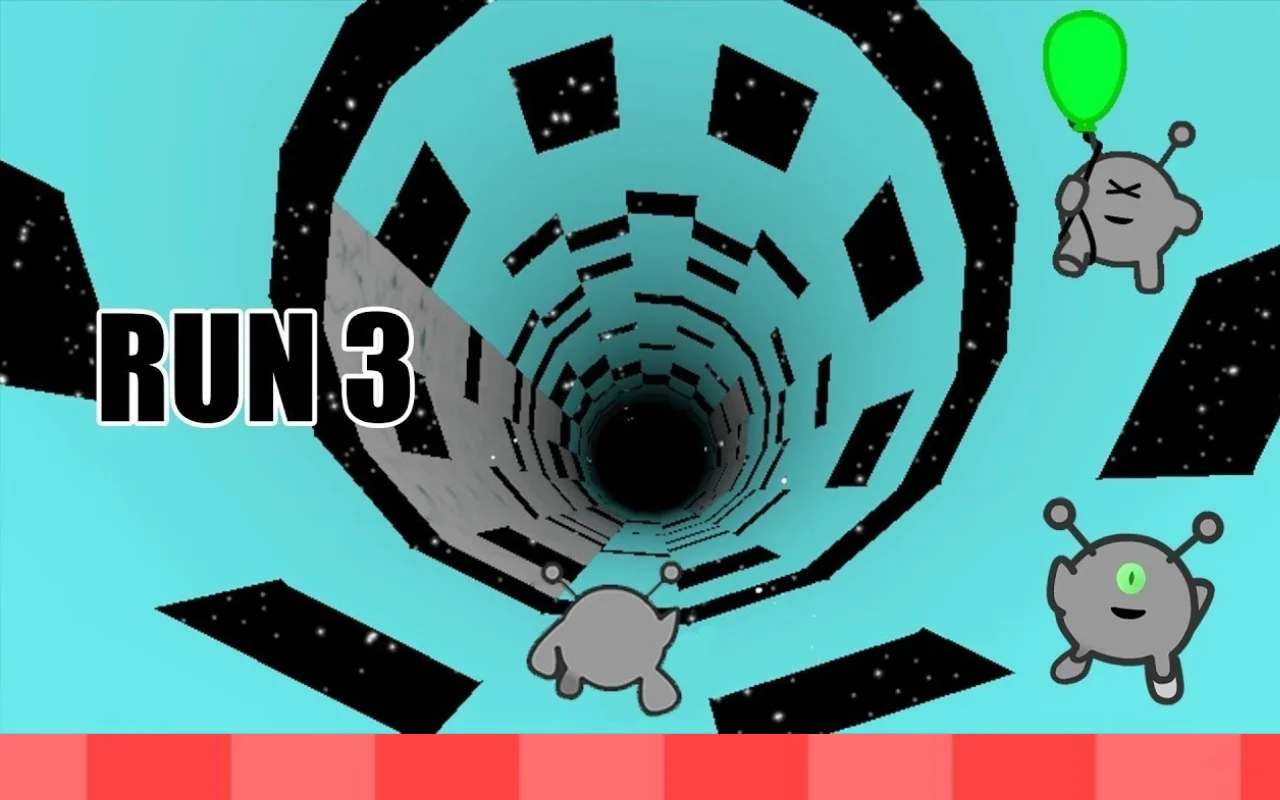
Run 3 keeps the gravity-running identity of earlier entries but adds enough structure and variety to feel like a larger platform adventure. Instead of only chasing survival distance, you also work through stages in Explore mode, learn unique tunnel patterns, and eventually interact with a cast of characters whose movement traits change how you approach sections. This evolution gives the game a stronger sense of progression while preserving the instant pick-up-and-play feel.
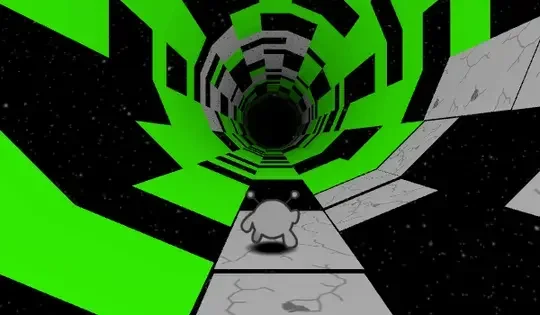
The core challenge is still elegant: move through space tunnels, avoid gaps, and rotate onto walls when your current line collapses. But Run 3 adds richer decision making because levels are designed with alternate routes, hidden risks, and character-specific comfort zones. You are often choosing not just whether you can survive a segment, but how you want to solve it.
Why Route Planning Matters More Than Raw Speed
Many failures in Run 3 happen because players commit to the first visible line instead of the best line. The game rewards proactive route reading. A wall path that looks longer can be safer and faster overall if it avoids unstable tiles and awkward jump chains. As stages become more complex, this strategic pathing becomes the difference between repeated deaths and smooth clears.
- Multi-lane problem solving: Levels often provide several valid routes with different risk profiles.
- Gravity transitions: Well-timed wall shifts can neutralize sections that look impossible from the floor.
- Stage memory: Learning tile behavior and gap rhythm reduces panic reactions.
- Character synergy: Different movement traits can make specific level sections much easier.
Explore Mode Gives the Game Real Depth
Explore mode is where Run 3 separates itself from standard runner games. You are not just chasing score; you are unlocking paths, discovering challenge clusters, and steadily understanding how the game world is designed. Each completed route builds confidence for harder branches and encourages experimentation with alternate methods instead of brute-force retries.
That world-building structure gives every success context. A hard section is not just "another obstacle." It is a gate to new content, new routes, or new movement opportunities that keep the experience feeling fresh far beyond the first hour.
How to Improve Faster in Run 3
Improvement comes from combining reflex training with deliberate analysis. If a section keeps failing, slow your pace mentally and identify whether the real issue is jump timing, camera read, route choice, or character fit. Usually the answer is route or setup, not pure reaction speed. Once the setup is fixed, the mechanics become much more manageable.
Reliable Progress Tips
- Study routes after each fail: One better line choice can remove multiple hard jumps.
- Use wall lanes early: Late emergency rotations are harder than planned transitions.
- Keep rhythm after near misses: Stabilize movement first, then re-accelerate into the section.
- Leverage character strengths: Match movement style to level demand when possible.
Hot Games

New Games

