SchoolBoy Runaway
Games You May Like
A House Escape Built on Quiet Decisions
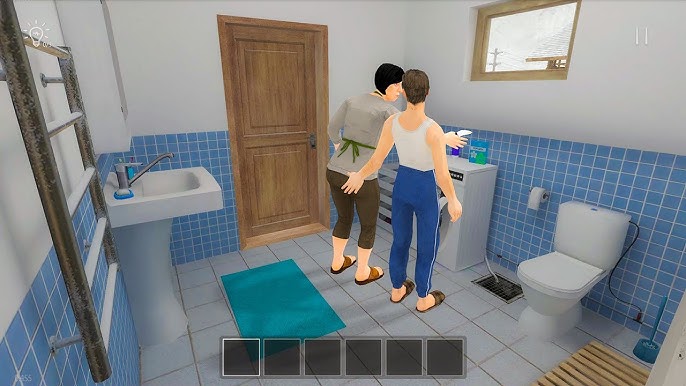
SchoolBoy Runaway turns a relatable setup into a tense stealth puzzle: you are grounded, your parents are watching closely, and your only objective is to escape the house without being caught. The game is first-person and intimate, making every creaky floor movement and door interaction feel risky. Unlike action-heavy chases, success here comes from patience, route planning, and understanding how your choices create noise and suspicion.
Its strongest quality is atmosphere through restraint. The environment is ordinary, but that familiarity makes the pressure sharper. You are not escaping a monster lair; you are outsmarting household surveillance patterns inside a believable home space where mistakes feel immediately personal.
Stealth, Puzzles, and Household Logic
SchoolBoy Runaway succeeds by combining stealth timing with item-based puzzle progression. Doors, keys, distractions, and interactive objects form chains that open new options. You often need to create temporary safety windows, then use them efficiently before patrol routes close again.
- Noise management: Loud interactions at the wrong time can collapse an otherwise perfect route.
- Observation first: Learning parent movement behavior is often more important than moving quickly.
- Item sequencing: Some tools are only useful when paired with the correct room state.
- Safe zone mapping: Knowing where to hide or reset keeps runs from ending after one close call.
Why Runs Feel Better Over Time
Early attempts may feel tense and chaotic, but the game becomes deeply satisfying once you internalize the home's rhythm. You start predicting when spaces are safe, which interactions are high-risk, and where to route after each objective. That learning curve is the core reward: a house that once felt oppressive gradually becomes readable and beatable.
Because the game is built around small tactical decisions, each failed run usually teaches something concrete. Maybe one hallway is too exposed. Maybe a distraction must be placed earlier. Those lessons compound quickly.
How to Escape More Consistently
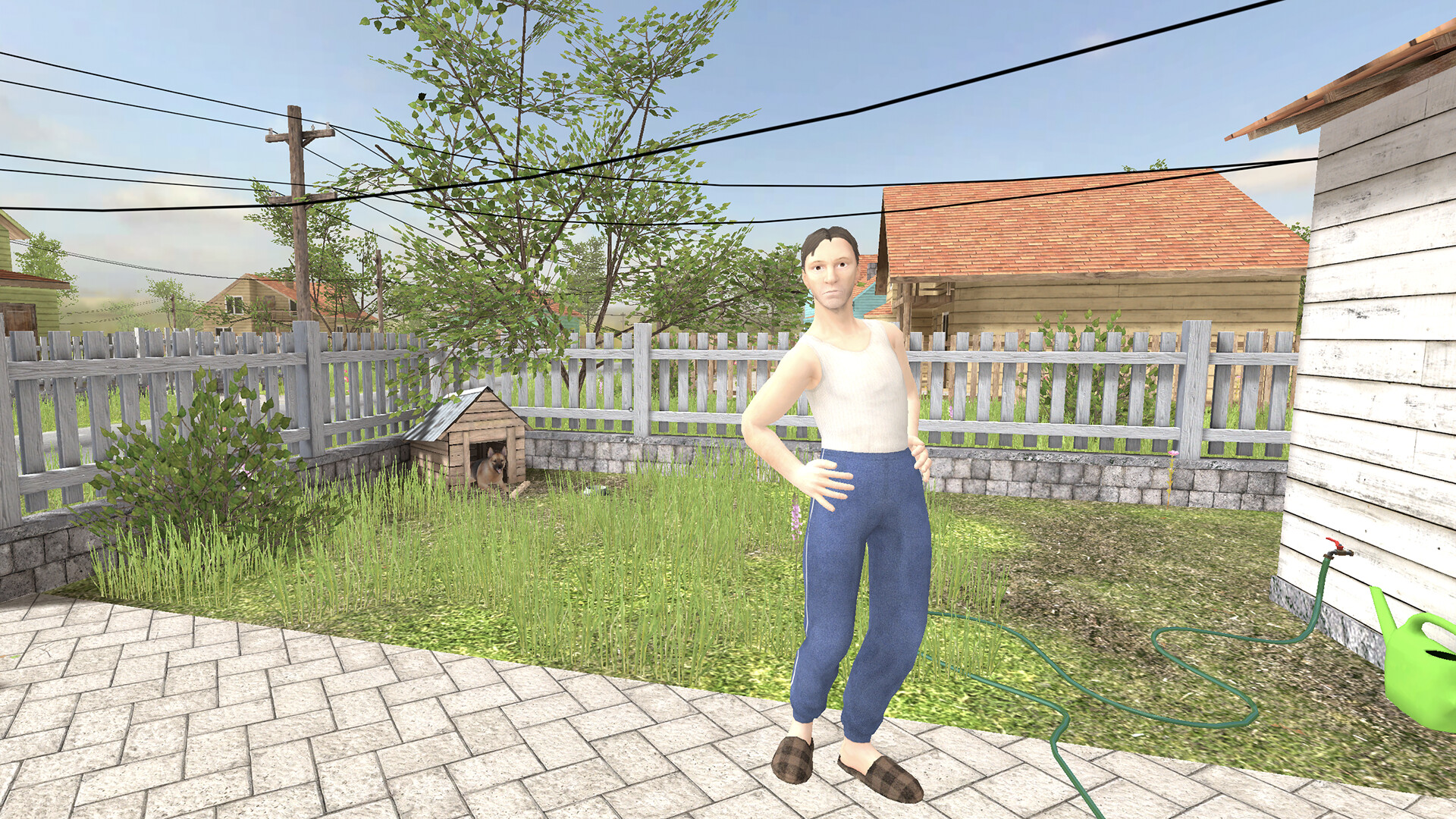
Reliable escapes come from sequencing, not speed. Break the run into objective chunks and complete each one cleanly before advancing. If a route feels too risky, redesign it around safer timing rather than forcing retries with the same vulnerable approach.
Small Decisions Compound Fast
SchoolBoy Runaway rewards disciplined micro-choices: closing doors behind you, avoiding unnecessary detours, and delaying risky interactions until patrol timing is confirmed. None of these decisions look dramatic in isolation, but together they dramatically reduce detection chance across the full run.
Players who improve quickly usually review failures by moment, not by outcome. Instead of saying "I got caught," they identify the specific overstep that exposed them, then adjust that one habit on the next attempt.
Strong Stealth Habits
- Gather information early: First attempts should prioritize patrol reading over aggressive progress.
- Avoid unnecessary interactions: Every extra action is another chance to create detectable noise.
- Keep recovery options ready: Always know your nearest hide spot before entering a new area.
- Use distractions deliberately: Save them for transitions that unlock major objective progress.
Hot Games

New Games

