Shape Fold
Games You May Like
Calm Puzzle Design with Real Spatial Depth
Shape Fold looks quiet and minimal, yet it offers surprisingly rich spatial puzzles built around rotating connected parts into a target silhouette. Each level gives you a set of hinged segments that must be folded and aligned correctly. The rules are easy to grasp, but precise completion requires careful mental rotation, piece prioritization, and awareness of how one movement changes everything connected to it.
That balance between calm presentation and meaningful challenge is the game's biggest strength. You can play at a relaxed pace, but you still get strong puzzle satisfaction when a stubborn shape finally clicks into place after several thoughtful adjustments.
Why Hinged Mechanics Feel Different
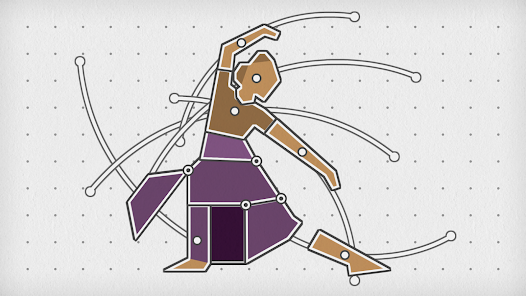
Unlike static tangram puzzles, Shape Fold pieces are physically linked, so every rotation affects neighboring parts. This creates a puzzle dynamic where order matters. Moving the "right" piece at the wrong time can block your view or misalign later segments. Successful solving often comes from establishing a stable backbone first, then folding peripheral pieces inward.
- Linked movement logic: Connected parts create dependencies that reward planning over random dragging.
- Order of operations: Correct piece sequence can make a hard puzzle feel unexpectedly simple.
- Silhouette matching: Reading negative space helps identify where specific segments belong.
- Incremental solving: Locking one small section at a time builds confidence and structure.
How to Read Tough Shapes Better
When a level feels messy, stop rotating everything and focus on landmarks in the target silhouette. Look for unique angles, narrow protrusions, or obvious curves that only one piece can satisfy. Once that anchor is placed, surrounding pieces become easier to reason about because relative orientation constraints narrow your options.
This approach turns difficult levels from trial-and-error into logic progression. You are no longer guessing; you are testing specific hypotheses about piece fit.
Why the Game Feels So Rewarding
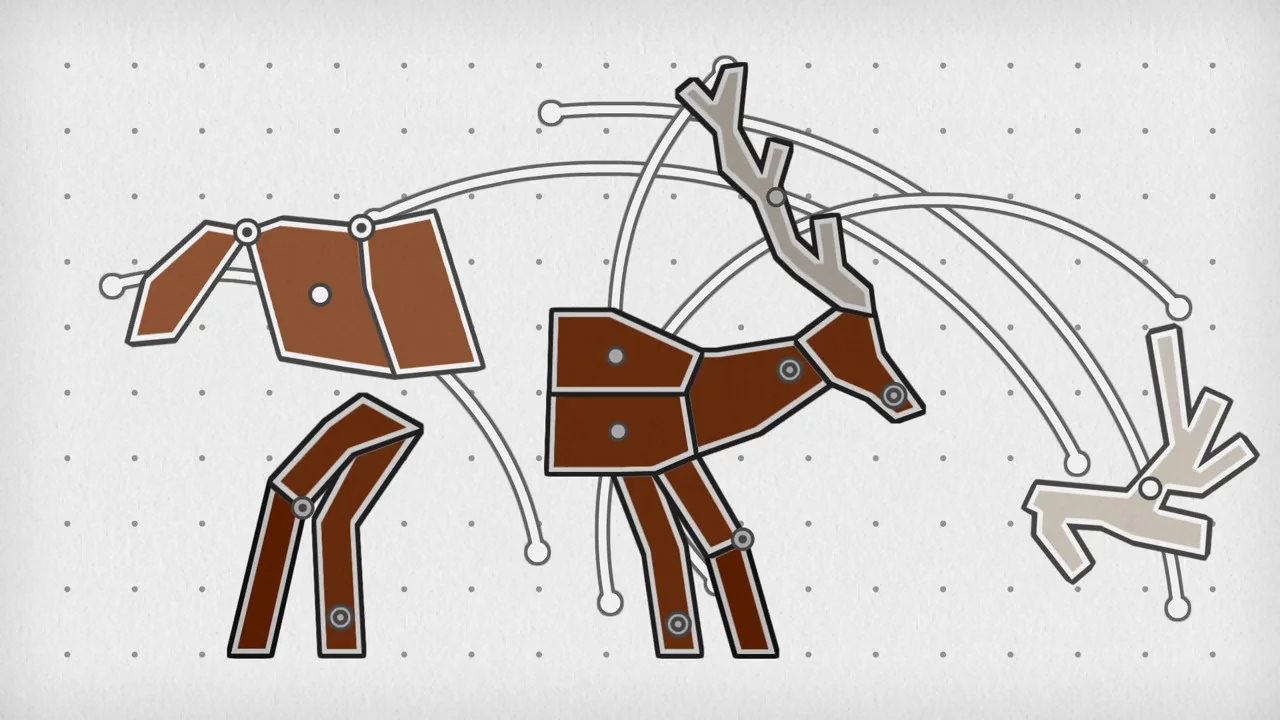
Shape Fold creates a clean feedback loop. Small adjustments produce visible structural improvements, and each solved puzzle reinforces better spatial intuition for the next one. The game never needs intense action to stay engaging because its core pleasure comes from clarity: when the arrangement is right, you immediately see and feel it.
Useful Puzzle Habits
- Start from obvious anchors: Place distinctive silhouette sections before handling ambiguous parts.
- Rotate with intention: Avoid random spinning; test one relation at a time.
- Build stable core first: Central alignment usually determines how easy outer pieces become.
- Use elimination logic: If one piece cannot fit anywhere else, lock it early and progress outward.
Hot Games

New Games

