Shark.io
Games You May Like
Predator Progression in a Crowded Ocean Arena
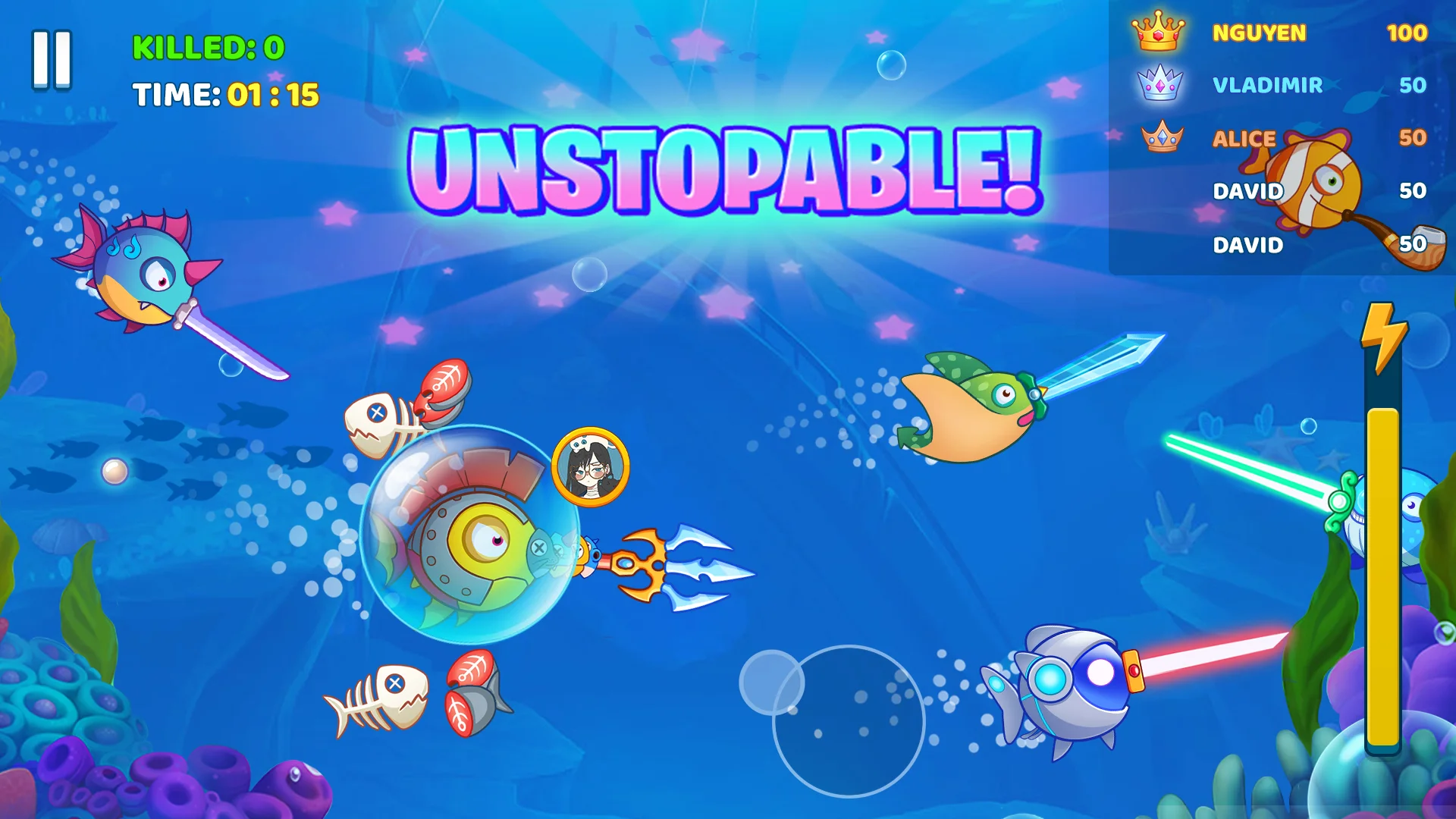
Shark.io captures the addictive io formula by combining simple controls with constant high-stakes positioning. You begin small and vulnerable, feeding on available targets to grow stronger while avoiding larger predators that can erase your run quickly. Every decision becomes a trade-off between greed and safety. Chase one more target and you might level up. Chase at the wrong moment and you become food.
The game's pace stays lively because the arena never feels static. Threat levels shift constantly as players grow, routes open and close, and hunting opportunities appear for only a few seconds. This creates a rhythm where good reads matter as much as movement speed.
How Growth Strategy Shapes Survival
Early-game success usually comes from disciplined feeding routes, not risky duels. Secure nearby safe targets, keep escape lanes visible, and only challenge opponents when you clearly outsize them or have positional advantage. Players who survive longer treat growth as a staged process rather than a nonstop brawl.
- Target selection: Picking low-risk prey consistently beats gambling on contested high-value fights.
- Threat scanning: Awareness of larger sharks prevents sudden ambush losses.
- Path efficiency: Smooth collection routes maintain growth without exposing you to unnecessary danger.
- Fight timing: The best attacks happen when escape options remain open after contact.
Midgame Is Where Most Runs Collapse
Once you become medium size, you are dangerous enough to tempt aggressive play but not always durable enough to survive counterpressure. This is the phase where players often overextend. Better runs come from measured expansion: pressure weaker targets, avoid map corners when stronger sharks are nearby, and disengage quickly if a fight becomes uncertain.
Controlling your emotional pace matters. One successful chase can create false confidence that leads to a bad second chase. Staying selective is what converts momentum into true dominance.
What Makes Shark.io Replayable
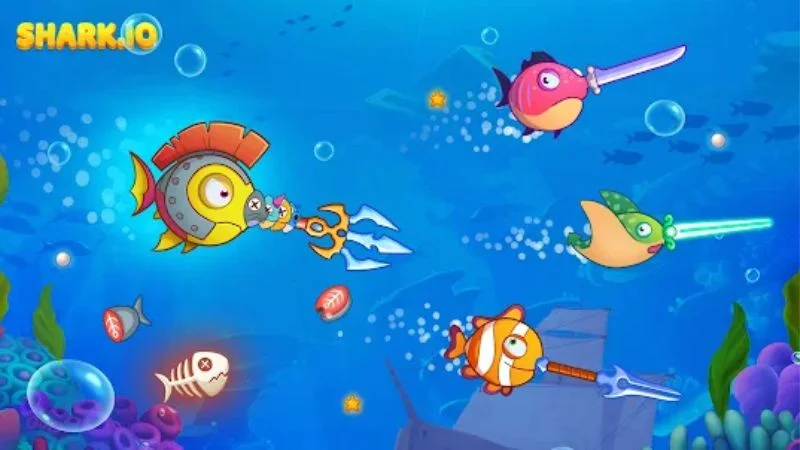
The game remains fun because each run creates a different predator-prey storyline. Sometimes you snowball quickly from clean target chains. Other times you survive by threading through stronger opponents until a late growth spike. The mechanics are straightforward, but the interaction dynamics keep outcomes fresh.
Better Arena Habits
- Farm safely at spawn: Early stability is more important than dramatic opening fights.
- Keep map awareness high: Watch not only your prey but also likely intercept paths from larger sharks.
- Avoid dead-end routes: Corners and narrow lanes are dangerous when pressure rises suddenly.
- Disengage sooner: Preserving run momentum often beats forcing one uncertain elimination.
Hot Games

New Games

