Shortcut Race
Games You May Like
Racing Strategy Hidden Inside a Simple Idea
Shortcut Race takes a straightforward running race and transforms it with one clever mechanic: every plank you collect can be spent to build your own path across water, cutting major chunks of the course if your timing and route are right. That single system turns each race into a tactical puzzle. Do you stay on the main track for consistent speed, or spend resources early on a risky shortcut that could either launch you into first place or leave you with nothing?
The game feels immediately satisfying because decisions have visible impact. A smart bridge can leapfrog multiple opponents in one move. A bad shortcut can strand you before the next checkpoint, forcing recovery while the pack passes by.
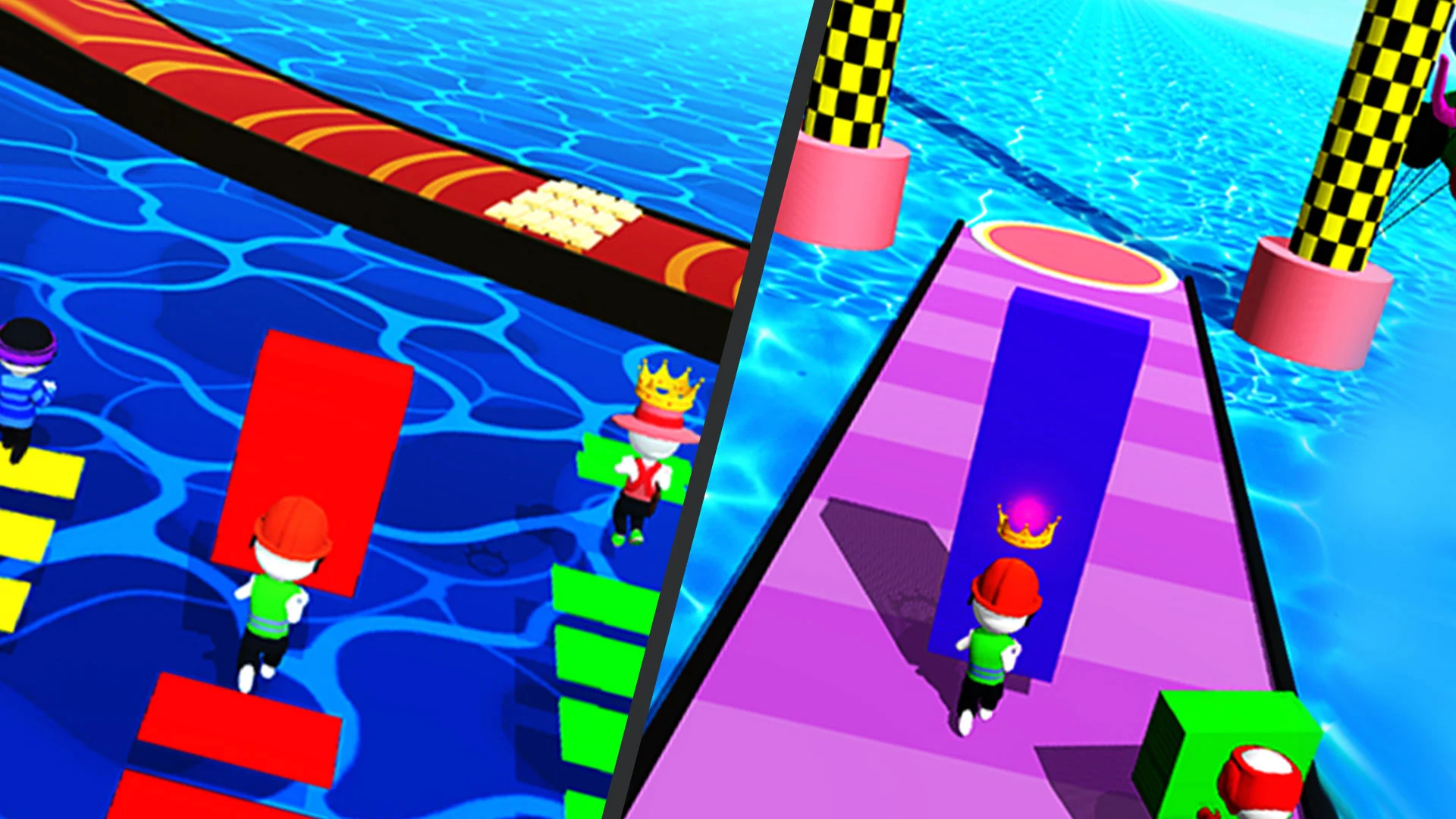
Plank Economy Is the Real Skill
Winning consistently depends on resource judgment. Planks are both opportunity and safety. Spend too many too early and you lose flexibility later. Hoard too long and you miss the windows where shortcuts create maximum gain. Strong players think in terms of expected value: how many positions can this bridge realistically gain compared to the cost and failure risk?
- Collection discipline: Efficiently gathering planks sets up strong shortcut options later.
- Timing windows: Shortcuts are strongest when opponents are clustered and vulnerable to one big pass.
- Risk calibration: Longer bridge attempts can be amazing, but collapsing midway can erase a race.
- Recovery planning: Good racers always keep enough resources for one corrective route if a gamble fails.
How Track Reading Changes Outcomes
Not all shortcuts are equal. Some save little distance and are only useful for positioning. Others skip entire arcs and can decide the race instantly. Learning where these high-value cuts exist is a major edge. Once you recognize profitable bridge lines, you can shape your plank collection path around upcoming opportunities instead of reacting in the moment.
This is where Shortcut Race becomes more than a novelty. You start planning races in phases: early collection, mid-race pass attempt, late-race insurance route.
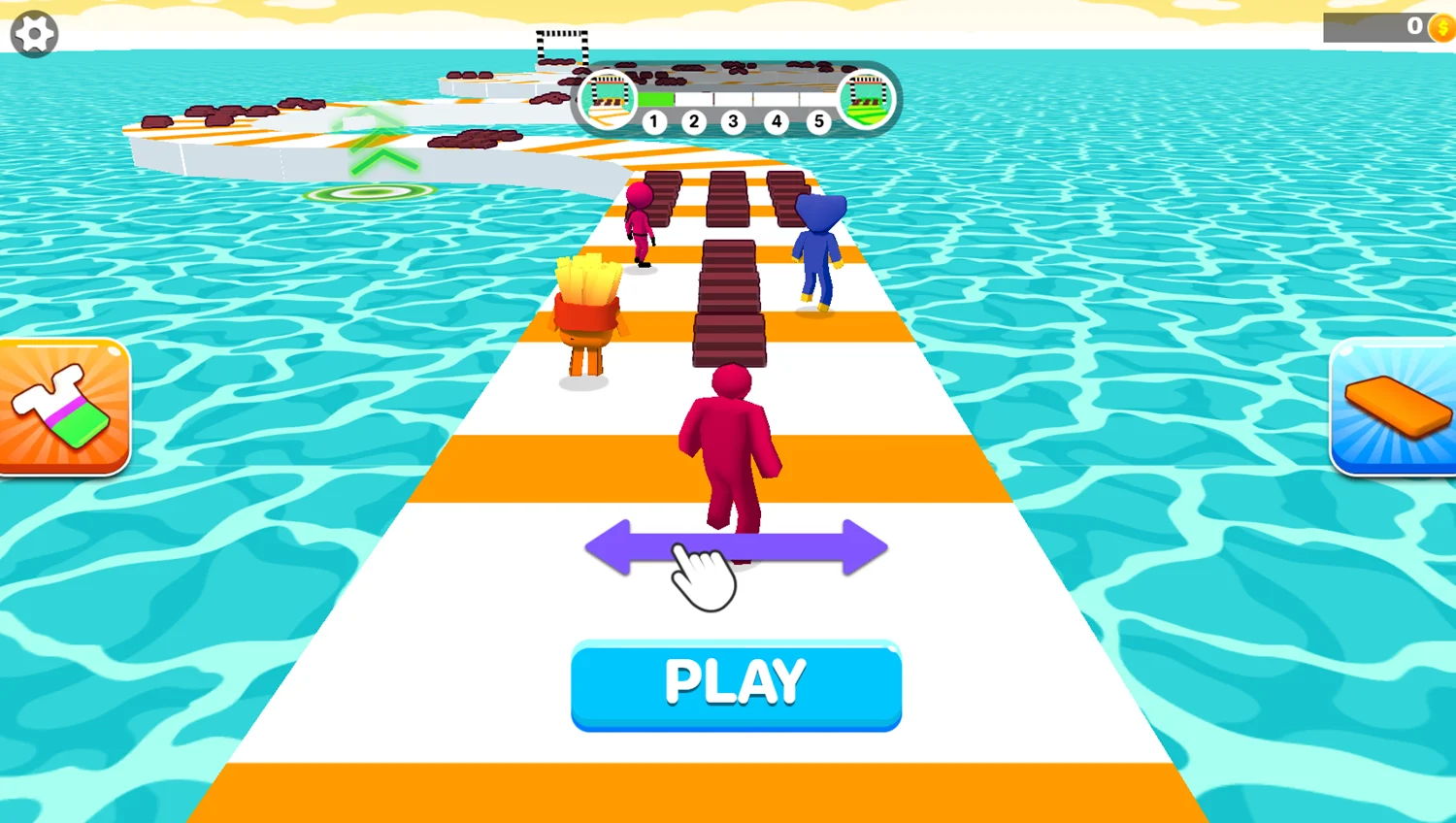
Balancing Boldness and Control
The game rewards aggression, but only controlled aggression. Taking a medium shortcut that always works can outperform a huge shortcut that fails half the time. Elite runs usually combine one major high-payoff bridge with several smaller efficient cuts instead of one all-or-nothing gamble.
Advanced Race Flow: When to Spend and When to Save
Late-race decisions in Shortcut Race are often decided by tempo rather than distance alone. If you are already ahead, conservative bridging can protect position by removing failure risk. If you are trailing, a calculated long cut may be the only realistic comeback path. Reading that race state correctly is one of the clearest differences between average players and consistent winners.
It also helps to track rival plank counts visually. Opponents with large stacks are likely planning a major skip soon, so defensive route choices or timely acceleration can prevent getting surprised by a sudden overtake near the final segment.
Tips for Cleaner Wins
- Build plank reserve early: Strong opening collection gives freedom for mid-race strategy.
- Choose high-value cuts: Prioritize shortcuts that skip meaningful track distance.
- Avoid empty-stack mistakes: Keep enough planks to recover if your first bridge plan fails.
- Race the leaderboard, not ego: Take the shortcut that secures position, not the one that looks most dramatic.
Hot Games

New Games

