Slender: The Eight Pages
Games You May Like
Minimal Design, Maximum Dread
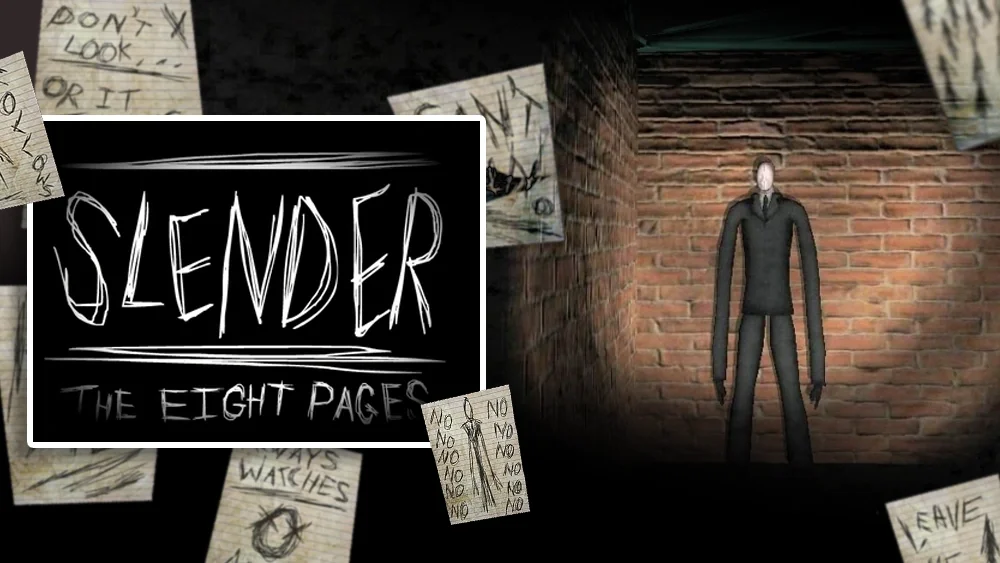
Slender: The Eight Pages became a horror milestone by stripping the genre down to pure atmosphere and pressure. You are dropped into a dark forest with one objective: collect eight notes. There are no weapons, no combat systems, and almost no narrative exposition. The fear comes from sound, darkness, uncertainty, and the growing presence of Slender Man as you progress.
The game proves that tension does not need complex mechanics. The longer you survive, the more oppressive the environment feels, and every note collected increases urgency.
Why It Still Works So Well
Even years later, the design remains effective because it weaponizes player imagination. Limited vision forces constant scanning. Audio cues build panic before visual confirmation. And when Slender appears, decision time collapses to seconds.
- Information scarcity: You never have full map certainty, so route planning stays tense.
- Escalating pressure: Each note raises threat intensity and reduces comfort.
- No combat fallback: Avoidance is the only survival tool, which heightens vulnerability.
- Atmospheric audio: Sound design does as much work as visuals in creating fear.
How to Improve Survival Runs
Strong runs come from efficient routing and emotional control. Wasting time in dead zones increases encounter risk. A better approach is moving through high-probability note locations with deliberate pacing and minimal backtracking.
Useful Survival Habits
- Commit to a route order: Structured pathing beats random wandering.
- Avoid prolonged dead ends: Stalling in low-value areas increases danger.
- Use calm movement: Panic turns often lead to disorientation.
- Treat audio as warning: React early to pressure cues before visual contact.
Hot Games

New Games

