Speed Stars
Games You May Like
Sprinting Becomes a Rhythm Skill Test
Speed Stars turns running into a precision timing challenge. Instead of just holding one key, you alternate inputs in a controlled cadence that simulates stride rhythm. Too slow and you lose acceleration. Too frantic and your runner destabilizes. Fast times come from smooth tempo, not brute force.
This creates a strong mastery curve. Early races feel awkward, then suddenly click once you find a sustainable rhythm. From there, improvements come in tiny gains that feel deeply satisfying.
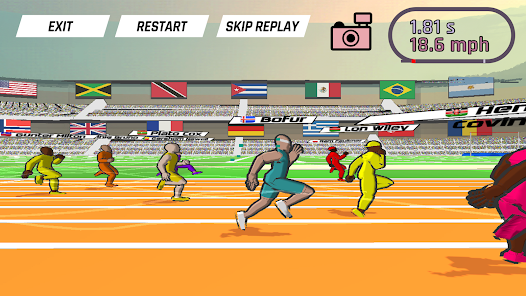
Why Good Rhythm Beats Raw Input Speed
Many players lose time by over-pressing and breaking form. Consistency keeps momentum high across the whole race. The goal is to maintain a stable cadence that remains efficient from start to finish.
- Cadence control: Balanced alternating input preserves speed better than frantic tapping.
- Start phase discipline: Early acceleration sets the baseline for the entire run.
- Mid-race stability: Holding rhythm under pressure is where records are made.
- Finish composure: Last meters often reward calm execution over panic speed.
How to Improve Race Times Consistently
Treat each run as data. If you slow late, your cadence may be unsustainable. If starts are weak, focus on opening rhythm first. Controlled, targeted practice beats random all-out attempts.
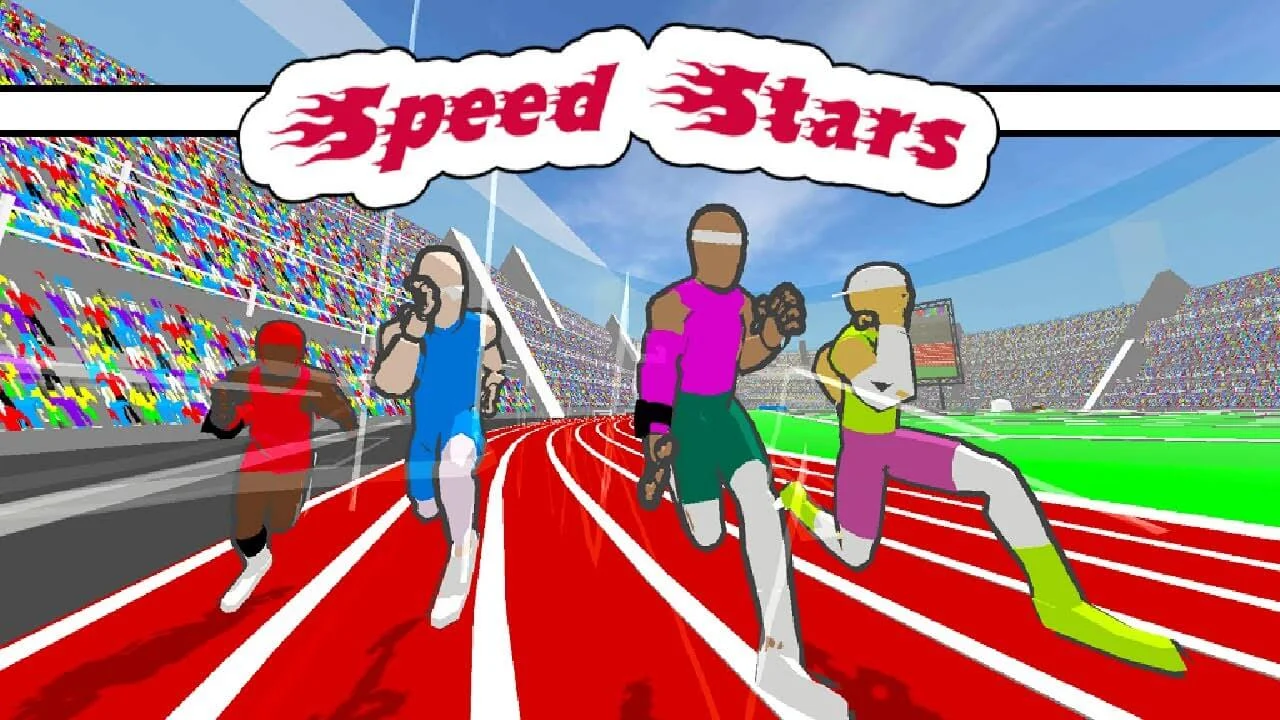
Time-Improvement Tips
- Train one cadence band: Build comfort at a stable tempo before pushing faster.
- Avoid overcorrection: Small rhythm fixes are better than dramatic pace swings.
- Track split feel: Identify where control breaks and isolate that section.
- Stay relaxed under pressure: Tension causes mistimed inputs and wasted motion.
Hot Games

New Games

