That's Not My Neighbor
Games You May Like
Identity Check Horror with Real Psychological Pressure
That's Not My Neighbor turns a simple doorman role into a high-tension inspection puzzle where trust is dangerous. You compare IDs, resident records, facial details, and behavior cues to decide who enters. One rushed approval can end a shift in disaster.
The game works so well because uncertainty is constant. Most visitors are close enough to believable that every decision feels heavy, and your confidence is challenged by subtle contradictions rather than obvious jump scares.
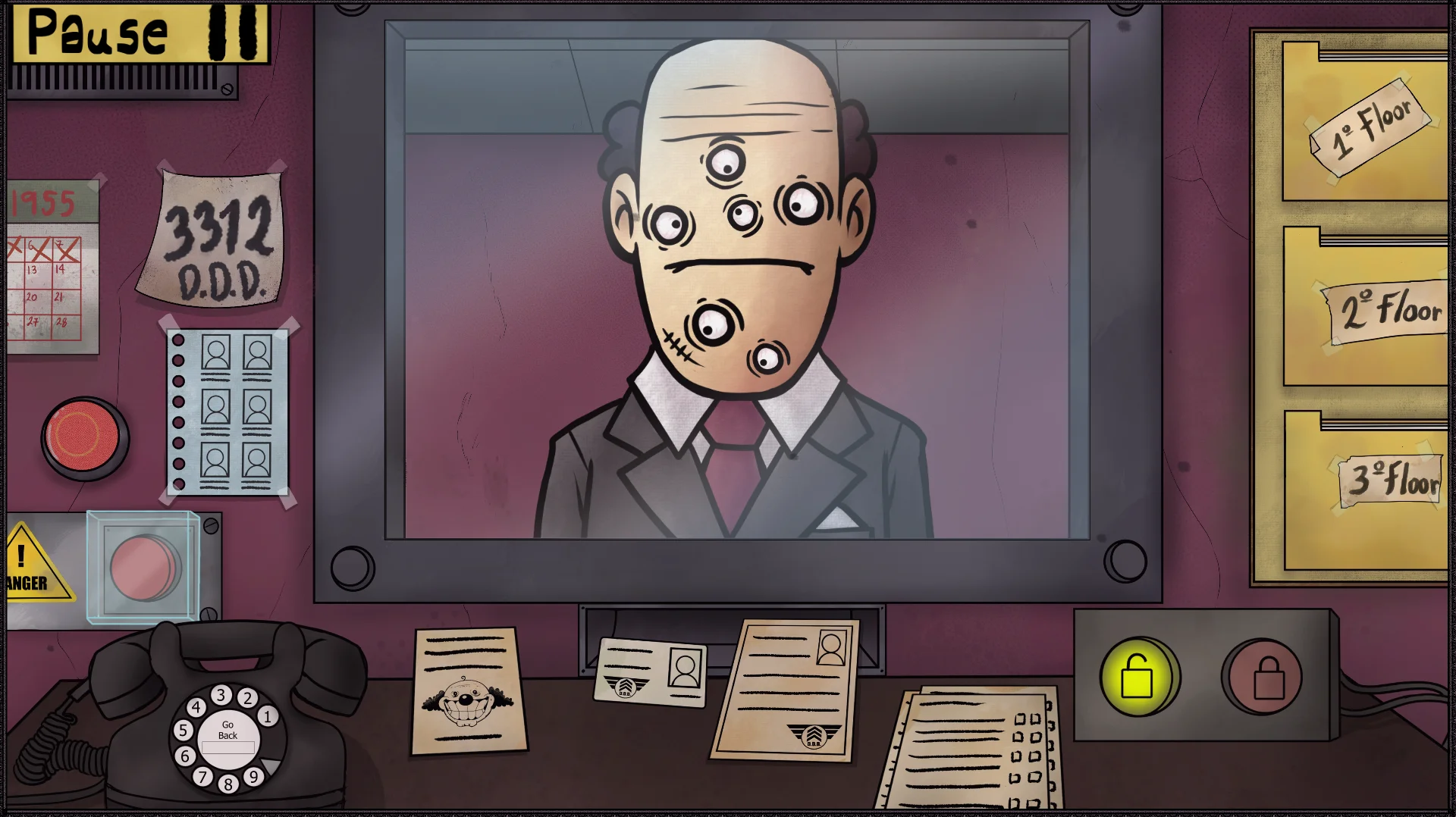
How Skilled Players Reduce False Approvals
- Fixed verification order: Checking data in the same sequence reduces skipped details.
- Cross-source confirmation: Name, apartment, and photo should align across all records.
- Anomaly attention: Small visual inconsistencies often signal major deception.
- Behavior reading: Unnatural responses can be as important as document mismatch.
- Decision pacing: Controlled speed improves accuracy more than rushing every case.
Why the Game Feels So Stressful
Pressure comes from cognitive load, not just horror aesthetics. You are managing detail recall, pattern recognition, and consequence awareness at the same time. That blend creates long-lasting tension even during quiet moments at the desk.
As shifts progress, your best defense is process discipline. Treat each visitor as a full checklist event, not a quick impression test.
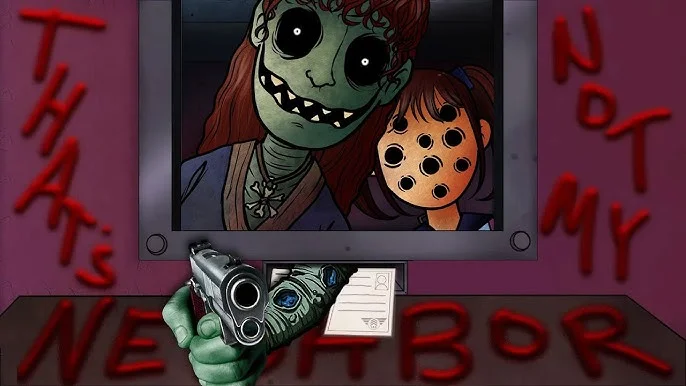
Shift Survival Tips
- Trust contradictions more than intuition: Hard mismatches should override first impressions.
- Do not accelerate after an easy case: That is when critical details get missed.
- Create your own mental checklist: Repeatable structure beats memory alone.
- Reset after mistakes: One bad decision should not poison later calls.
Hot Games

New Games

