The Dead Seat
Games You May Like
Night-Drive Horror with Constant Risk Management
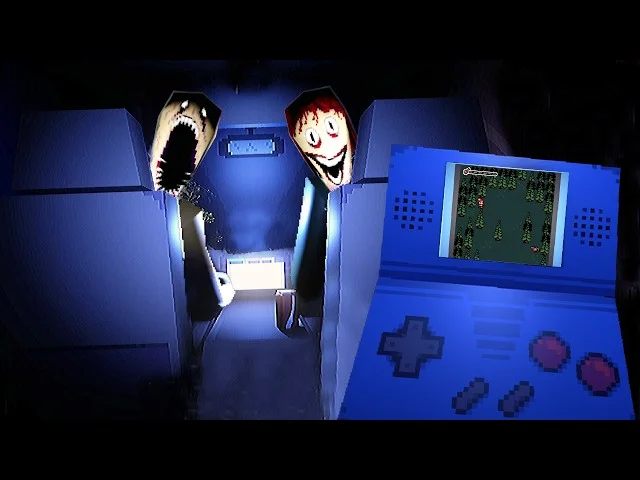
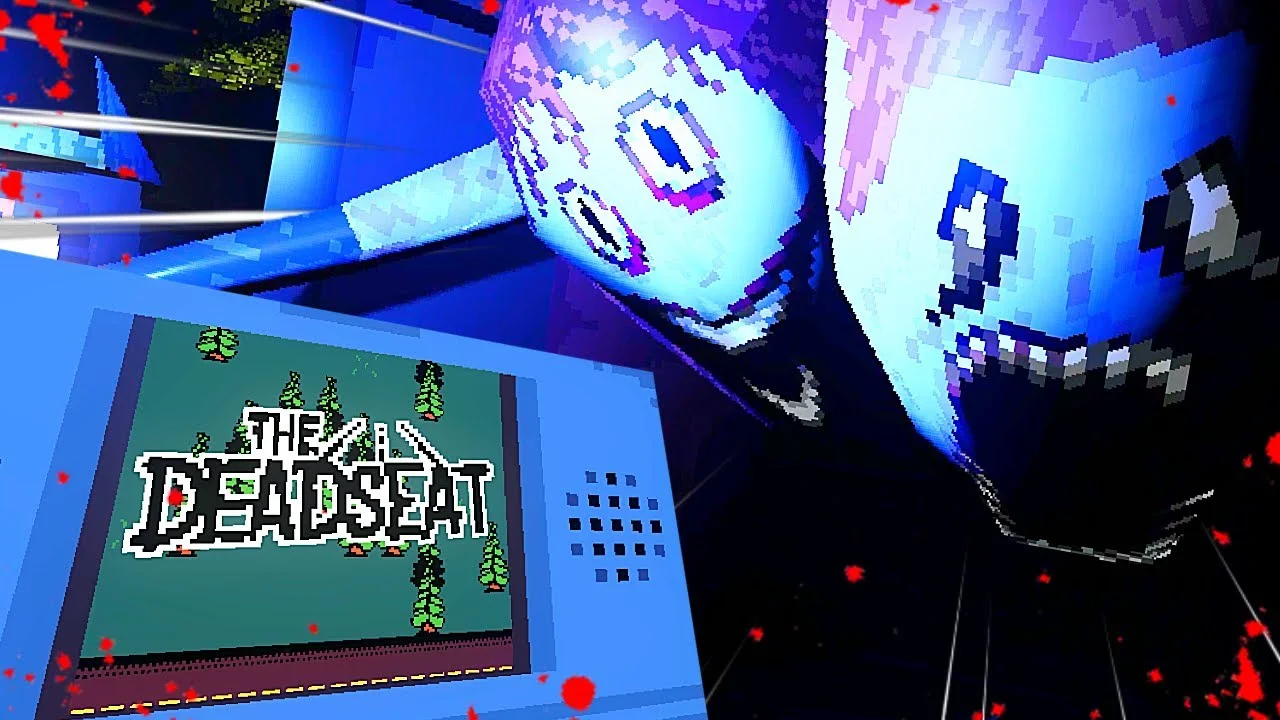
The Dead Seat builds fear through sustained pressure rather than pure shock. You move through dangerous road segments while managing limited resources, uncertain visibility, and encounter timing that can turn any small mistake into a fatal chain.
Its strongest feature is claustrophobic decision-making. You are rarely choosing between good and bad outcomes; most choices are between risky and less risky options, which keeps tension high across the full session.
Survival Priorities That Matter Most
- Resource control: Fuel and support tools should be spent with clear intent.
- Threat anticipation: Reading cues early creates safer reaction windows.
- Route conservatism: Stable pathing usually outperforms desperate shortcuts.
- Stress management: Panic turns manageable encounters into run-ending errors.
- Segment planning: Break progress into smaller goals for better control.
How to Improve Run Reliability
Think in cycles: stabilize, move, reassess. This pattern prevents overextension and keeps your decision quality high even when pressure spikes. You do not need perfect execution, just fewer compounded mistakes.
When danger escalates, prioritize survivability over speed. The game often rewards patient movement and disciplined retreat more than aggressive forward pushes.
Road-Horror Tips
- Keep a fallback plan: Enter new segments with a retreat idea.
- Track critical resource thresholds: Low reserves change all decisions.
- Avoid emotional overcorrection after scares: Reset before acting again.
- Treat each stop as high-risk: Prepare before committing.
Hot Games

New Games

