Tomb of the Mask
Games You May Like
Four-Directional Dashes, Infinite Neon Danger
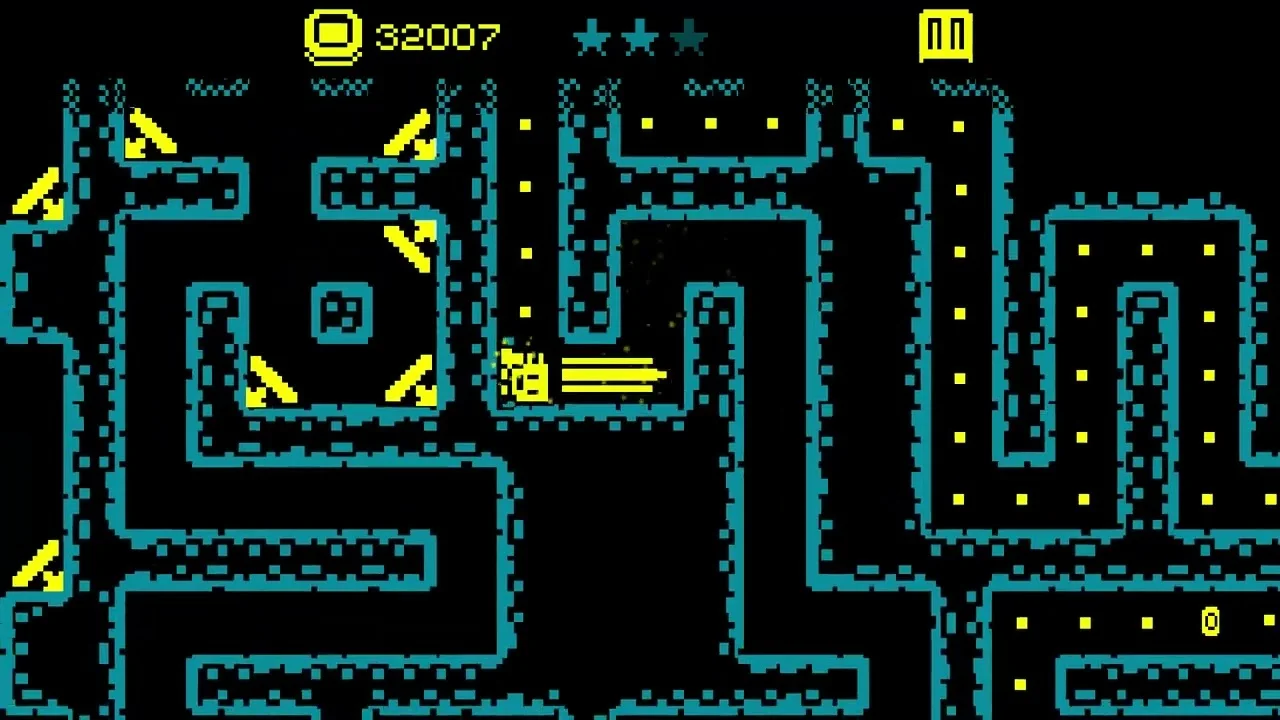
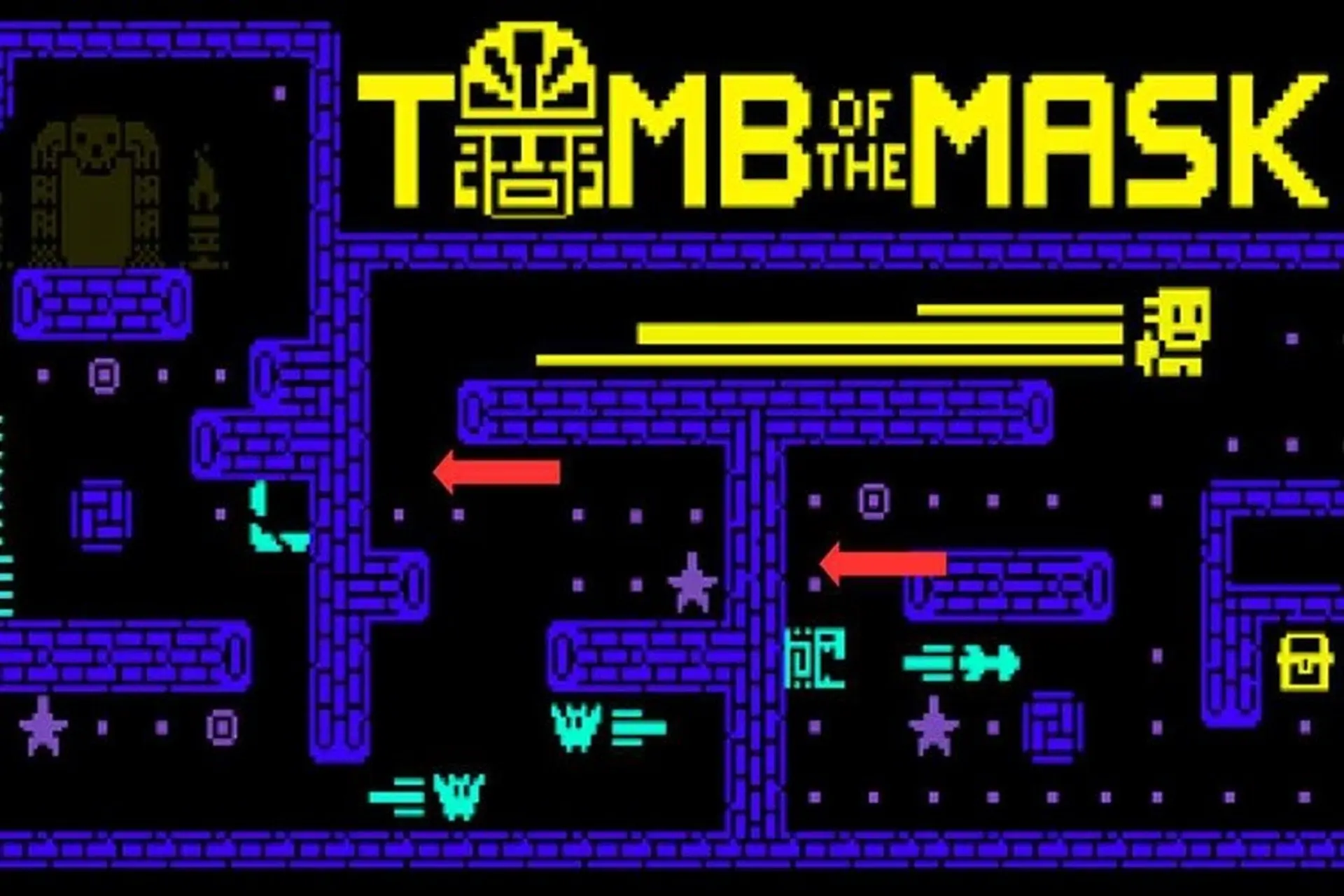
Tomb of the Mask strips arcade gameplay down to its sharpest form: swipe left, right, up, or down and you fly in that direction until you hit a wall. No mid-flight corrections, no second chances. From that single mechanic, the game builds progressively punishing dungeon rooms loaded with spikes, moving obstacles, and enemy patterns you must read in a fraction of a second.
The neon aesthetic and fast tempo make it easy to jump into, but mastery requires recognizing threat geometry at a glance and translating that recognition into precise, non-hesitant inputs. Every room feels like a short puzzle that must be solved at full speed.
Why Some Players Last Much Longer
- Pattern pre-reading: Scanning the room one beat ahead allows confident directional decisions.
- Coin routing: Not every coin cluster is worth the detour at high speed.
- Trap timing: Many obstacles cycle predictably once you study the rhythm.
- Input conviction: Hesitation mid-sequence is more dangerous than committed movement.
- Score vs survival balance: Knowing when to skip risky coins protects overall run length.
Building Consistent High-Score Runs
The difference between long runs and short ones is rarely raw reaction speed. It is room-reading quality. Strong players process room geometry as they enter and already have a route in mind before executing the first swipe. This mental habit reduces improvisation and lowers error rates significantly.
As rooms get denser, the window between recognition and action shrinks. Regularly practicing difficult segments builds the muscle memory needed to handle spike timing and sharp turns without losing rhythm.
Practical Tips for Better Runs
- Prioritize clear path first, coins second: Survival creates better totals over time.
- Study enemy patterns after each death: Most obstacles are learnable, not random.
- Enter rooms with a planned route: Pre-committed paths beat reactive wandering.
- Maintain calm when density increases: Panic inputs break rhythm permanently.
Hot Games

New Games

