Tube Jumpers
Games You May Like
Chaotic Water Physics Made Competitive
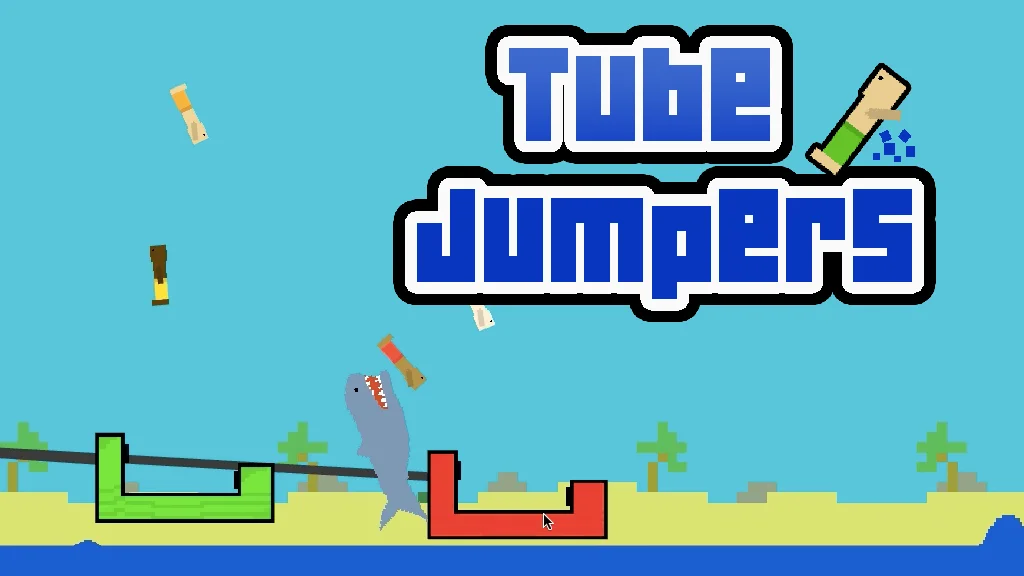
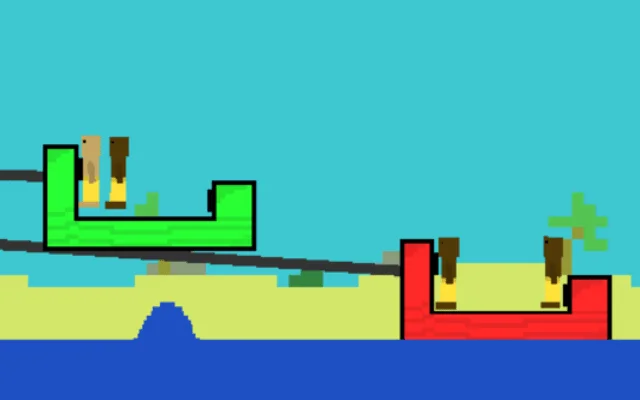
Tube Jumpers takes a simple concept and wraps it in layered physics chaos: stand on floating tubes, knock opponents off, and be the last one above water. The controls are minimal, but the unpredictability of movement, platform bounce, and rival interference creates genuinely surprising outcomes in every round.
It excels as a party game because skill and chaos coexist. A skilled player consistently reads platform angles and jump timing better than a beginner, yet random physics interactions keep any single round competitive.
What Actually Separates Winners from Early-Out Players
- Platform awareness: Tracking tube movement and tilt predicts safer jump landing zones.
- Jump precision: Consistent landing control reduces accidental water falls.
- Positioning economy: Staying near stable platform centers beats constant edge movement.
- Risk reading: Knowing when to attack versus hold position protects your own survival.
- Hazard timing: Environmental obstacles punish predictable movement patterns.
How to Win More Rounds Under Physics Pressure
Even in chaotic rounds, structure pays off. Players who maintain central positioning, wait for clear knockoff opportunities, and avoid over-committing to attacks win significantly more rounds than those who play reactively.
The meta-game in longer sessions becomes about reading opponents. Predictable players are easy to knock off once you identify their recovery patterns and favorite positions.
Match Tips for Better Tube Control
- Prioritize surviving over attacking early: Late-round aggression is safer.
- Use bounce angles deliberately: Platform rebounds can reposition rivals.
- Stay away from edges when off-balance: Recovery trumps risk.
- Watch for combo opportunities: Two opponents near an edge is a better target than one in the center.
Hot Games

New Games

