Vex 8
Games You May Like
Precision Platforming Built for Repeated Mastery
Vex 8 continues the series tradition of difficult, cleanly designed stickman platforming. Levels are built around layered trap systems, wall-run sequences, and momentum-critical jumps that punish careless movement while rewarding players who internalize each stage layout through practice.
What separates Vex 8 from basic obstacle games is the movement vocabulary. Wall climbs, slides, dashes, and swimming mechanics combine into a fluid toolkit that, once mastered, turns even the hardest sequences into satisfying execution challenges.
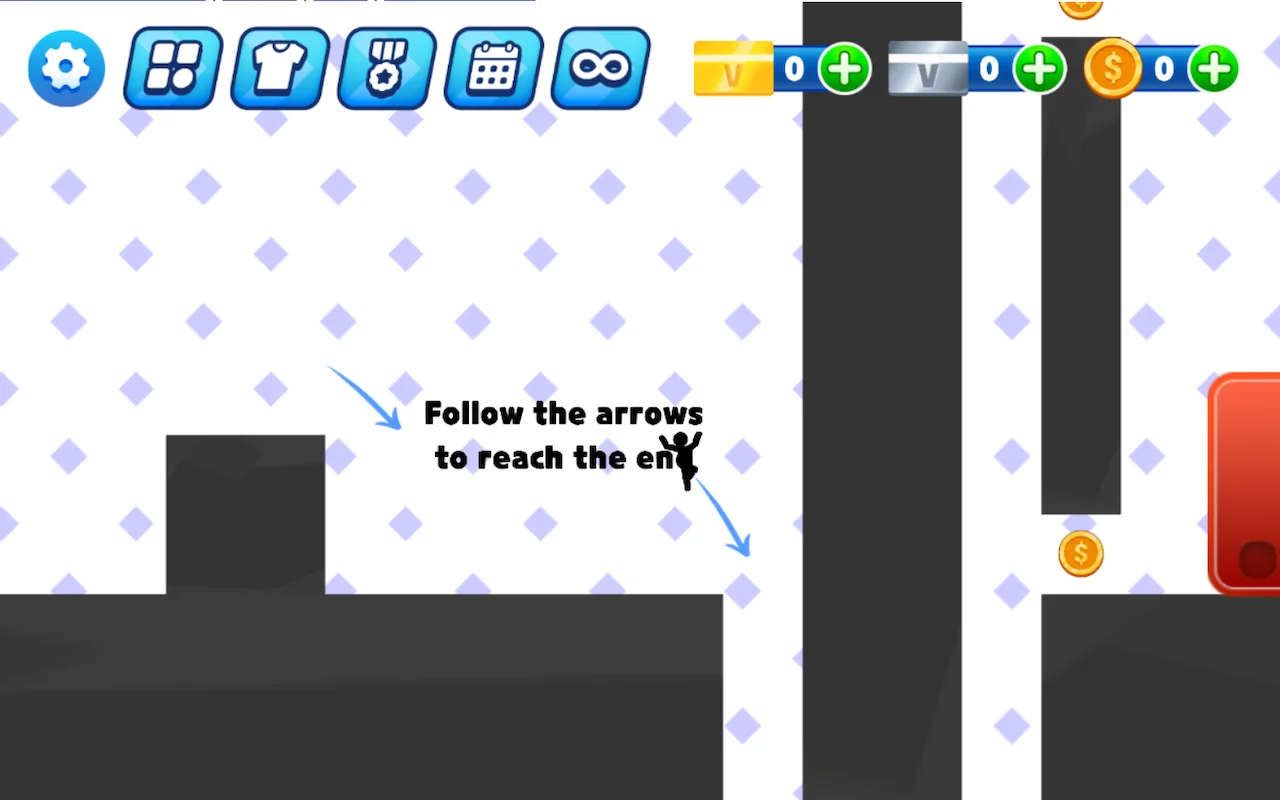
Movement Skills That Make the Difference
- Wall-run control: Climbing angle and release timing directly affect jump distance and trap clearance.
- Momentum conservation: Maintaining speed through consecutive obstacles reduces total stage time.
- Trap rhythm reading: Most deadly traps cycle at consistent intervals that become predictable with observation.
- Checkpoint efficiency: Knowing which checkpoints to use and skip improves run pacing.
- Death analysis: Understanding exactly why each death happened accelerates route refinement.
How to Approach Hard Stages Without Burning Out
Vex 8 stages are long enough that full-run consistency matters more than clutch execution. Breaking a stage into short segments, mastering each piece, then chaining them together is far more effective than attempting perfect runs immediately.
Players who improve fastest keep a problem-solving mindset after each death rather than an emotional one. Each failure points to a specific skill gap, and addressing that gap directly is what drives real progress in the tougher chapters.
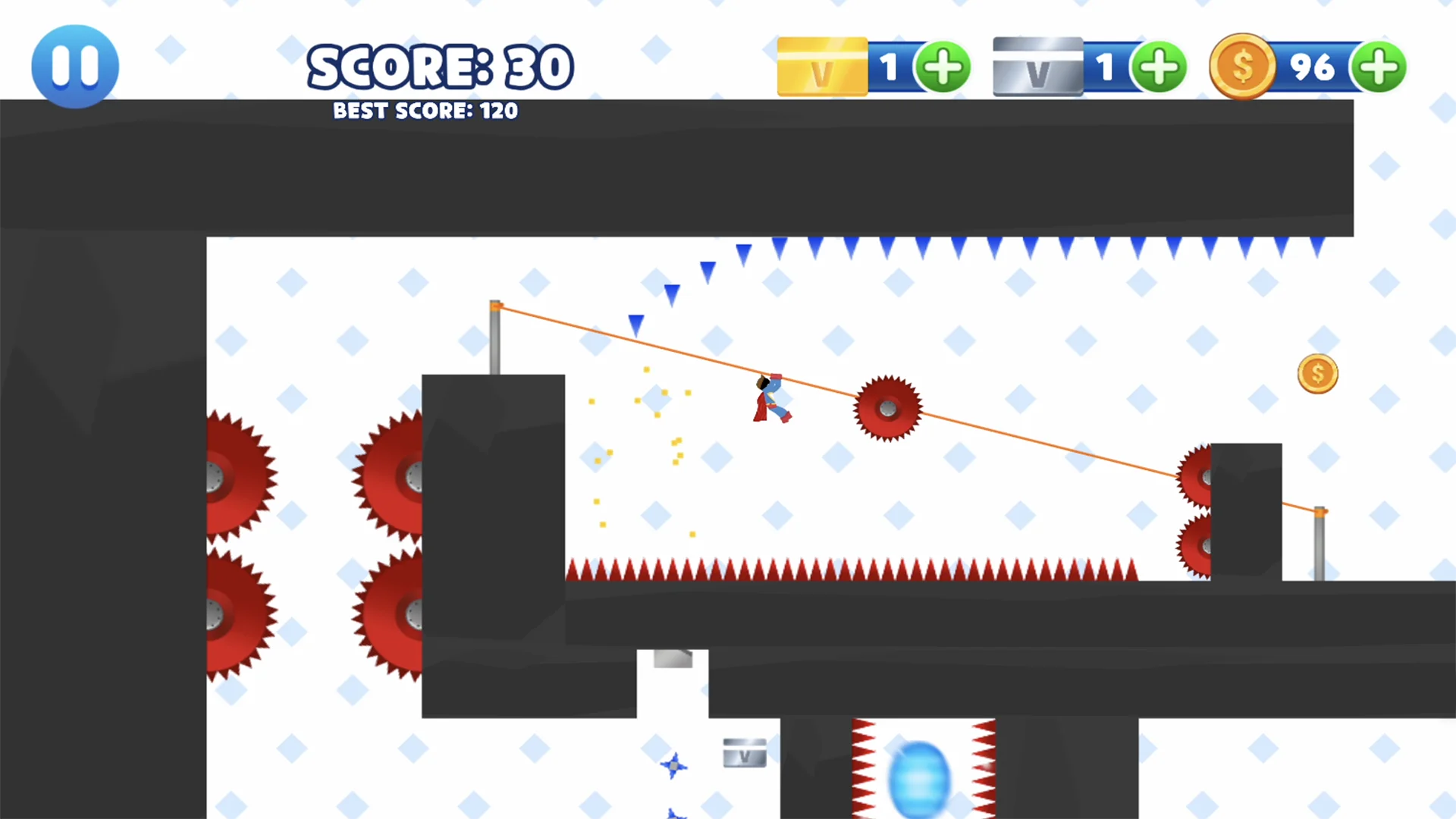
Stage Completion Tips
- Slow down on new sections: Understanding layout beats rushing into repeated deaths.
- Practice the hard segment alone: Isolated drills fix specific weaknesses efficiently.
- Use slides for low-ceiling gaps: Fluid transitions often unlock tight-section routes.
- Stay consistent on easy parts: Routine sections deserve the same focus as hard ones.
Hot Games

New Games

