Who Is Lying?
Games You May Like
Visual Logic Puzzles Built on Contradiction
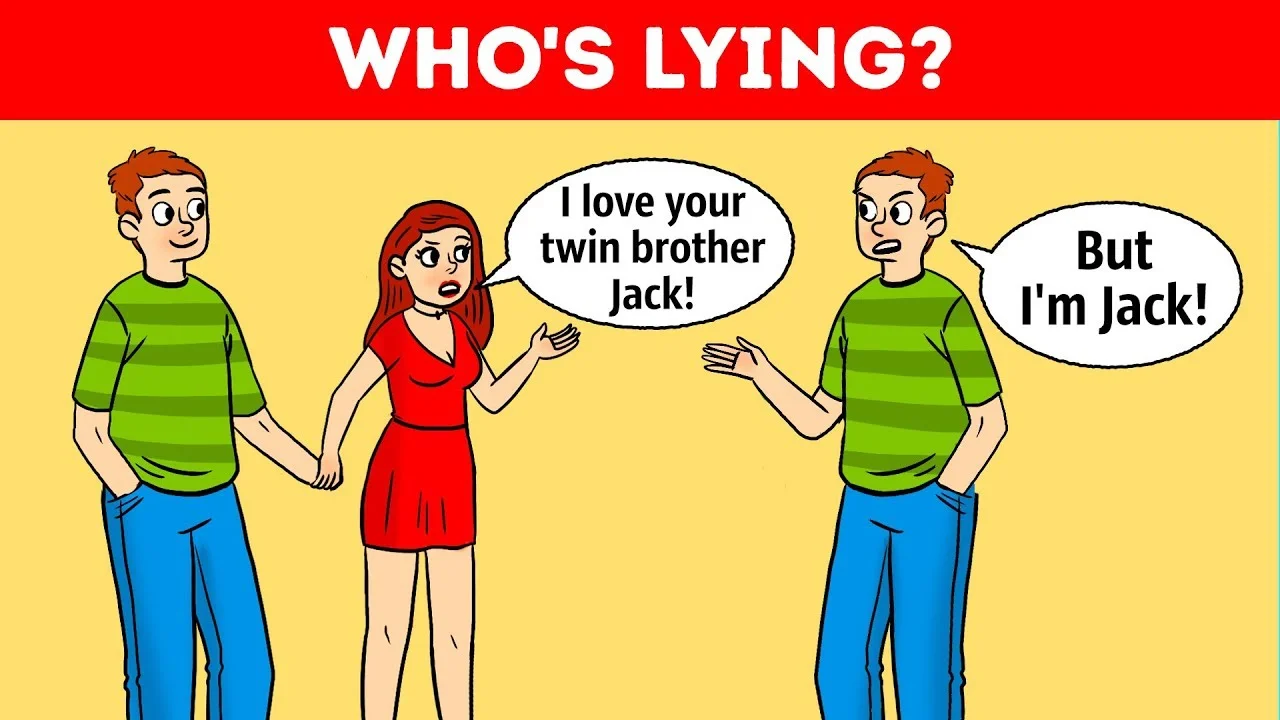
Who Is Lying is a deduction puzzle game that asks you to examine illustrated scenes, identify inconsistencies between what characters claim and what the environment shows, and determine who is not telling the truth. The puzzles start accessible and become progressively more layered, demanding both attention to detail and logical inference.
What makes it compelling is that most clues are visual rather than text-based. You must read scenes like a detective, noticing what is present, what is absent, and what cannot logically coexist with a given claim.
Core Skills for Finding the Liar
- Scene scanning order: Systematic left-to-right or foreground-to-background reading prevents missed clues.
- Statement matching: Cross-reference each claim against visible evidence before drawing conclusions.
- Absence reasoning: What is missing from a scene is often as important as what is present.
- Multiple suspect logic: Eliminating impossible liars narrows the field faster than guessing directly.
- Detail re-checking: Correct-seeming statements sometimes hide subtle physical impossibilities.
How to Handle Harder Puzzle Stages
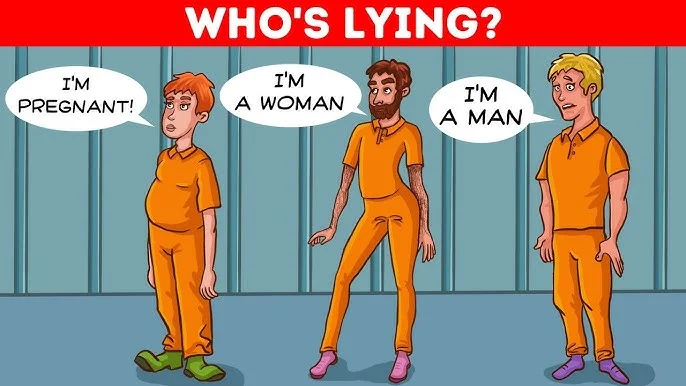
Advanced stages introduce more characters, overlapping claims, and deliberate visual misdirection. Rushing at this point causes false confidence in incorrect answers. A structured approach, checking every claim against every visible element before committing, protects accuracy even when complexity increases.
Taking brief notes mentally or treating the scene as a checklist item-by-item helps with particularly dense stages where multiple characters share similar environments or similar statements.
Deduction Tips for Better Accuracy
- Read every statement before investigating: Full context prevents premature elimination.
- Look for physical impossibilities first: They are the strongest contradiction type.
- Re-examine the scene after your first guess is wrong: Your original scan may have missed something.
- Trust the evidence over intuition: Visual logic puzzles are designed to mislead impression-based reasoning.
Hot Games

New Games

